
AAMI didn’t buy an ad break at the 2026 AFL Grand Final. It created the moment right before the first bounce.
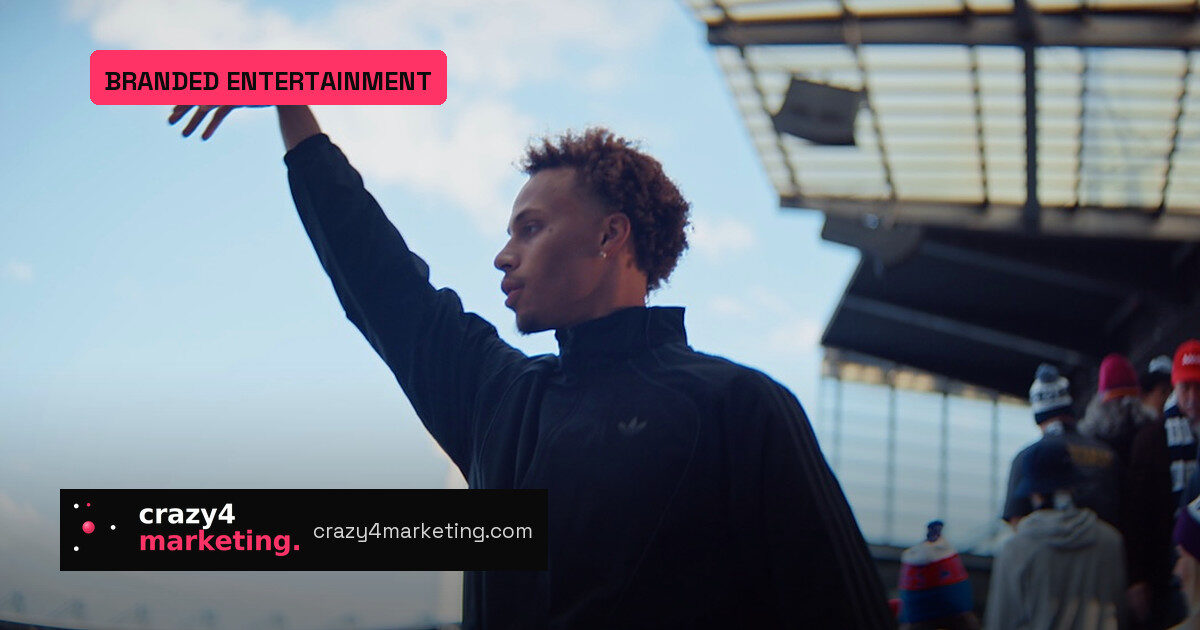
The insurer’s “AAMI To the Rescue” platform returned on Saturday 26 September with a stadium-wide chase for the match ball. A wrong button in the scoreboard control room launched the ball “supernova” inside the MCG, sparking a rescue mission through the stands and corridors, with cameos from Dyson Daniels, Broden Kelly, AFL CEO Andrew Dillon and a cast of past and current AFL and AFLW players.
The payoff: Kylie Minogue stopped the ball in a red heel, handed it to the AAMI Woman and delivered the line, “I should be so lucky.”
From sponsorship to shared spectacle
The execution, developed with WPP Media OpenEra alongside Seven Network and the AFL, used partnership rights, broadcast integration and in-stadium staging to blur the line between ad and entertainment. A teaser campaign ran throughout Grand Final week across Uber, broadcast TV and social, making the reveal feel like an event.
Mim Haysom, Executive General Manager Brand and Customer Experience at Suncorp, said: “What started as a simple rescue mission for the AFL ball five years ago has become a much-loved part of Grand Final day, with fans now looking forward to seeing how AAMI will surprise them each year.”
That isn’t nostalgia — it’s strategy. Five years of escalating stunts have made AAMI’s rescue an annual feature fans expect. The brand promise “Lucky you’re with AAMI” doesn’t get explained; it gets resolved by a story.
Why this works for marketers
- AAMI owns the unclaimed minutes before the game, not a standard ad slot.
- Footy cameos — Gary Ablett Jr, Sam Docherty, Mon Conti — and Kylie give it reach beyond AFL fans.
- Teasers across Uber, broadcast TV and social created anticipation all week.
- The match-ball rescue pays off the brand promise through action, not product features.
Celia Blackwood, Client Managing Director at WPP Media OpenEra, said the goal was to create “something people would actively want to watch, share and talk about.” That’s the metric: cultural fame, not just reach.
Katie Finney, Seven Network Director of Sales, Television and Streaming, pointed out the placement was designed for “the moments immediately before the first bounce,” when anticipation is highest. That timing turns a captive audience into an engaged one.
What to steal
For D2C founders and agency teams, the play is simple. Find a moment your audience already gathers around, build a story around the event’s tension, tease it, and let the brand be the resolver rather than the interrupter. The best sponsorship doesn’t interrupt culture; it becomes part of it.
The 2026 Grand Final rescue shows that a long-running platform with rising stakes can turn a one-day sponsorship into an annual appointment. That’s more valuable than any product demo.
Source: Campaign Brief