
Noisy and PHD took a familiar night out and made it the product. Last Thursday, Carousel Nightclub on Oxford Street disappeared, and in its place was a Tokyo konbini for -196, the Japanese vodka RTD that has been a convenience-store fixture since 2005.
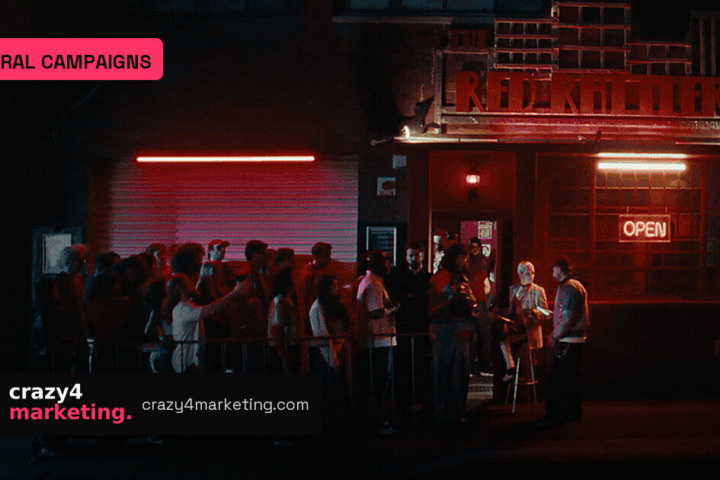
The pop-up was free, but demand was brutal. 5,000 people tried for 750 tickets. The allocation went in under five minutes, the venue hit capacity within half an hour, and around 500 people waited outside until close.
The experience was the ad
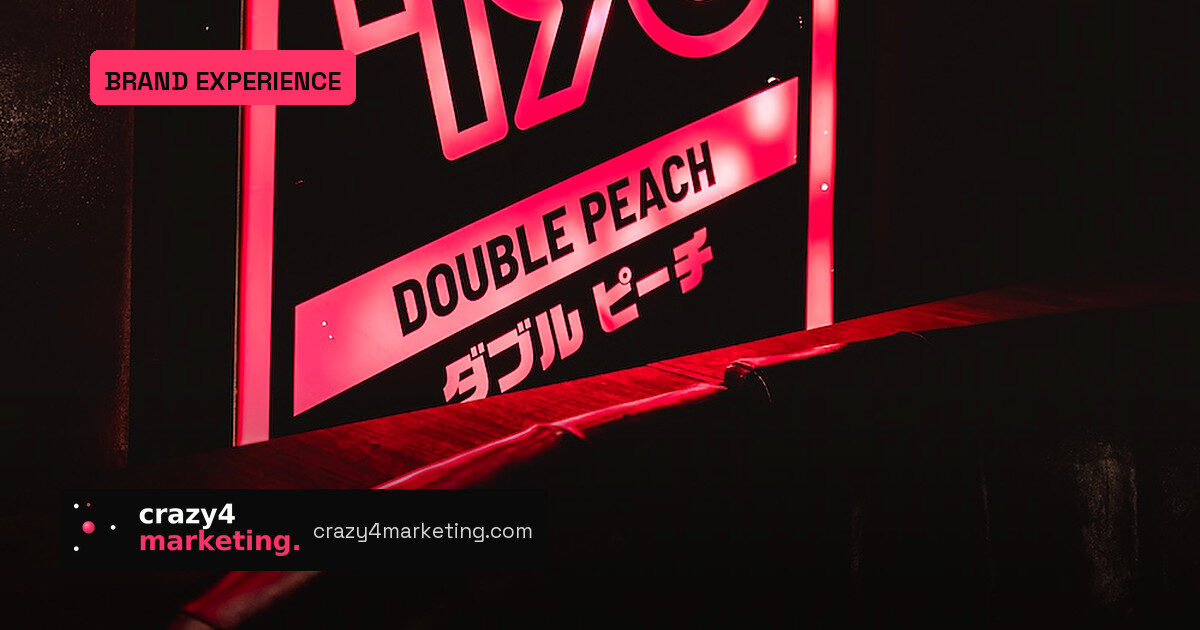
Instead of describing the brand’s end-of-night ritual, noisy built it. Shelves, fluorescent aisles, floor-to-ceiling neon, a custom photo booth and seven real fridges stocked with -196 and 180kg of fresh fruit turned the club into a set people wanted to be inside. The fruit was a nod to the brand’s Freeze Crush Infusion process and went to OzHarvest after doors closed.
Club Angel flew back to Australia to headline from inside the shop, with Tasman, Bella Bella and Deens supporting.
Owned media did the heavy lifting
Here’s the part marketers should steal. Every registration ran through noisy’s own platforms: LINES, Whatslively and Mixmag ANZ. Ticketing, promotion and coverage stayed inside the network. That gave noisy the data, the demand and the distribution without renting a third-party audience.
- Scarcity was real: 750 free passes into a one-night transformation.
- The venue was the creative: a konbini, not a branded club corner.
- Content was designed to happen: hundreds of clips tagged -196 the next morning.
Harry Wilson, Managing Director of noisy, put it bluntly: “Australia is close to capacity with brand-led pop-ups, but they still work when they’re done well.” He added that 5,000 people going for 750 tickets on a Thursday shows Sydney nightlife “just moved to whoever is putting on the best night.”
PHD’s Group Planning Director Gilbert Lee framed it as a connection play: every touchpoint is either a first impression or a chance to deepen a relationship, and cultural relevance turns awareness into participation.
What to borrow
This is not a music sponsorship. It’s an experience stack: find a ritual the audience already ends their night with, rebuild it physically, sell scarcity through owned channels, then let the room and the queue create the content. The paid media can follow the organic heat rather than force it.
The result was not just a full venue. It was a brand placed inside the night, with the crowd making the case the next morning.
Source: Campaign Brief