

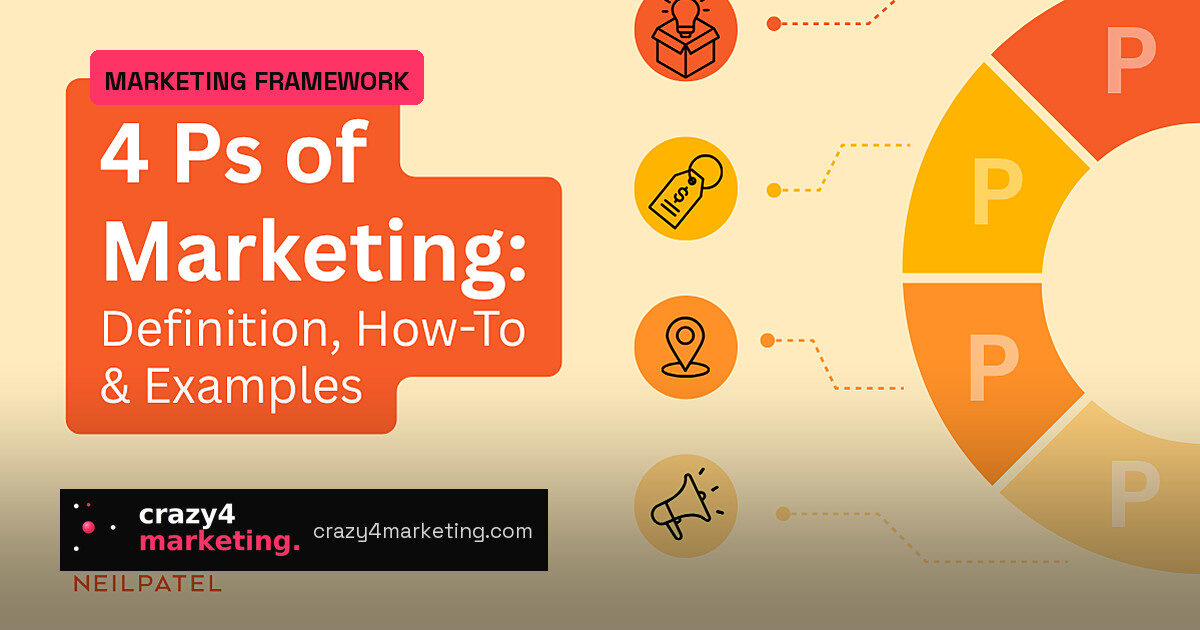
Marketing teams chase what’s new, but growth stalls usually come down to an old framework: the marketing mix. Neil Patel’s latest guide argues Product, Price, Place and Promotion are still the clearest way to diagnose why an offer is not converting.
The four levers, defined
E. Jerome McCarthy introduced the 4 Ps in Basic Marketing: A Managerial Approach. They remain a fast check of whether your offer, pricing, distribution and messaging line up.
- Product: features, packaging, onboarding, warranties and support.
- Price: what customers pay, including payment terms and discounts.
- Place: physical and digital channels, geography and logistics.
- Promotion: ads, PR, SEO, content, direct mail and other comms.
Newer models, same spine
The 7 Ps add People, Process and Physical evidence for service businesses. The 4 Cs swap in Consumer, Cost, Convenience and Communication to sound more customer-centric. Patel’s advice is to work the original 4 Ps first, then layer on another model only if there’s a clear gap.
The research stat that should change your roadmap
Here’s the data point to notice: 99% of customers expect 24/7 support, while only 61% are bothered about personalized product offers. That inverts a lot of roadmaps.
Before funding another personalization tool, check whether onboarding, FAQs and support answer questions at midnight. A usable product with fast help tends to beat a “personalized” experience nobody asked for.
How to use the mix without a consultant
Start with customer research. Patel suggests answering six questions first: pain points, demographic and psychographic profile, willingness to pay, location, preferred channels, and the values that sway buying decisions.
Then audit each P. Product: do features map to pain points? Price: does it match willingness to pay, not just cost-plus? Place: is buying friction low? Promotion: are you in the channels customers actually use?
Three brands, three Ps in action
Rolex turns price and place into brand signals. Watches sell between $10,000 and $100,000, are made in Switzerland and distributed through a selective dealer network—scarcity does the selling.
Red Bull treats promotion as owned media: the Cliff Diving World Series, Paper Wings and Red Bull TV generate millions of views and press coverage.
McDonald’s wins on place. Restaurants, kiosks and Uber Eats delivery sit in high-footfall urban spots where people want fast food while shopping, working or commuting.
Ubersuggest flips product for SMBs: fewer reports, more usability, because its users are new to marketing rather than agency power users.
The one-owner rule
Misapplication happens when the Ps are decided in silos. Price cuts ignore features, promotion promises what support cannot deliver, place changes break unit economics. One person should own the full mix and see the connections.
Your move: pick one P, run a customer-data check this week, and fix the weakest link before chasing the next channel.
Source: Neil Patel


