
Three days into judging the inaugural Sports jury at the London International Awards in Las Vegas, Clemenger BBDO’s National Chief Creative Officer Stephen de Wolf and his fellow jurors realised their initial shortlist had drifted from the standard they set on day one. So they did something rare in awards season: they paused, recalibrated and made the bar higher again.
The reset before the metal
De Wolf describes the day three debate as a “robust conversation” rather than a debate, as the jury returned to its original criteria. Around 30 young creatives from the LIAisons programme sat in on the session, getting a rare fly-on-the-wall view of how a jury actually makes its hardest calls.
That reality check shaped everything that followed: the shortlist, the bronzes, silvers and golds, and eventually the decision that separates LIA from many other award shows.
“Do we think we have one?”
Instead of handing out a Grand Prix by default, the Sports jury asked a deliberately awkward question: “Do we think we have one?” De Wolf says the room agreed there was one piece worth considering, and it was unanimously awarded the inaugural Sports Grand LIA.
The winning idea qualified because it was big, scalable and crossed sporting codes. It showed how creativity in sport can galvanise people and culture, while bringing joy far beyond the sport itself. That is the filter more brands should apply to campaign thinking, not just award entries.
What to take back to your review room
Whether you lead a campaign, an award entry or a creative review, copy the jury’s move:
- Set clear criteria before you see the work.
- Revisit those criteria before the final discussion, not after.
- Ask if the top prize is genuinely earned, not expected.
- Reward scale, cultural pull and joy over execution polish alone.
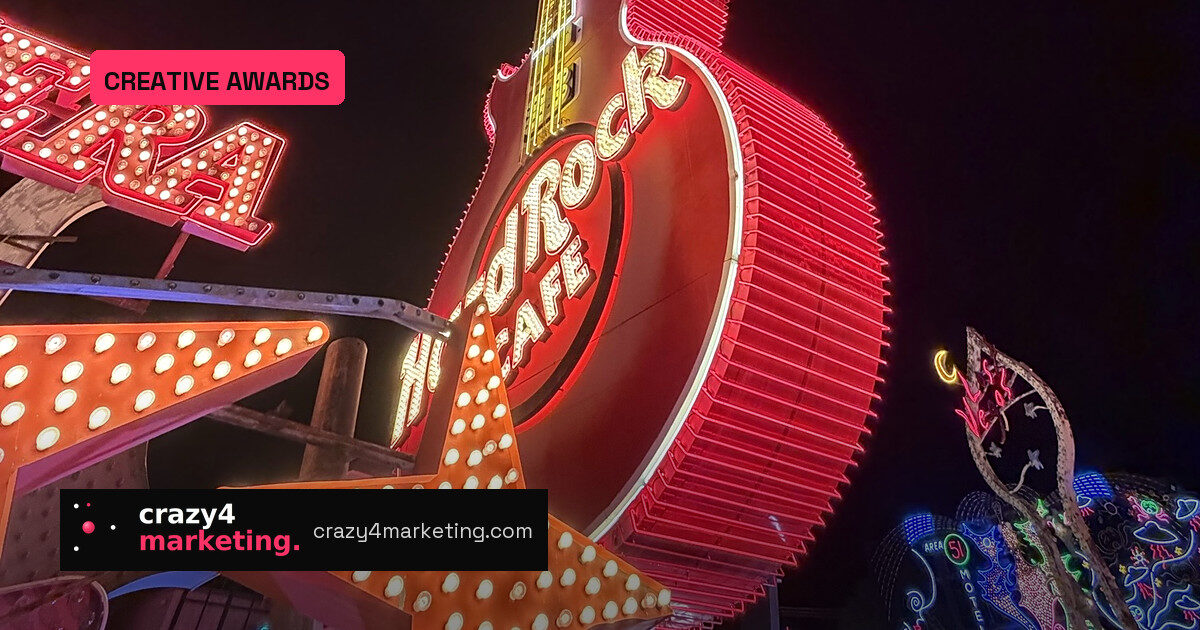
De Wolf’s closing reflection at Las Vegas’s Neon Graveyard adds a craft warning. Standing among old, beautifully made signs while newer, bigger LED screens glowed beyond, he saw a reminder to protect great ideas and craft, which he described as “a little less human and a little less authentic” than the older work.
Source: Campaign Brief