Swiggy had a problem most growth teams know too well: top-of-mind recall looked stuck, but pouring more money into brand felt like a trade-off against performance. The food delivery giant decided the trade-off was the actual problem.
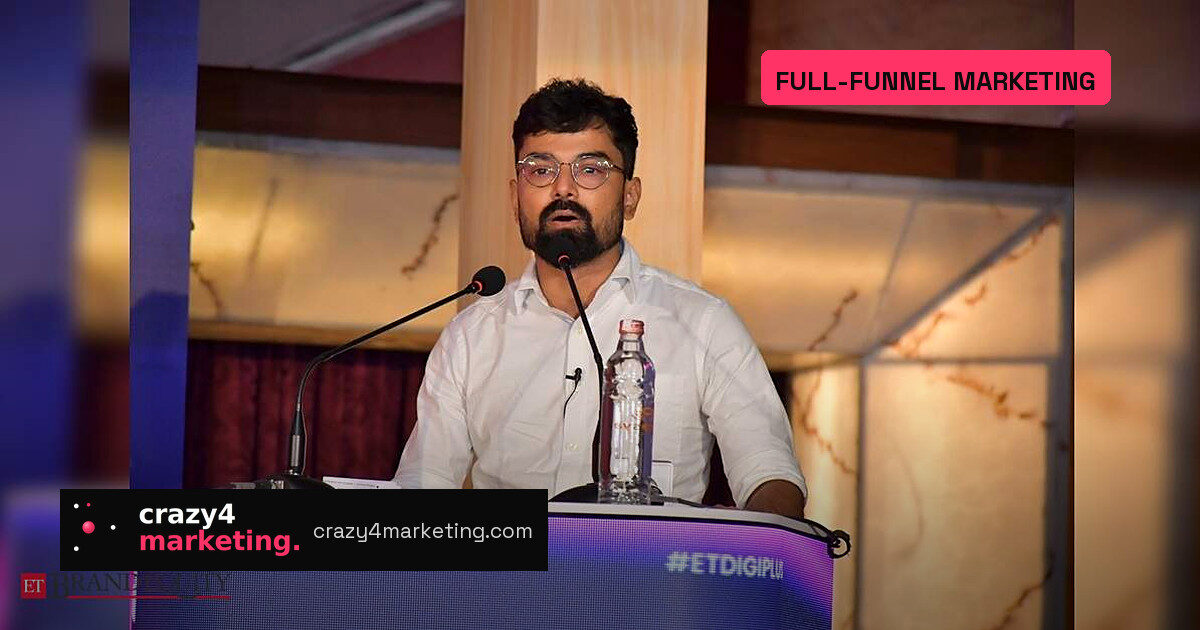
At ETBrandEquity’s DigiPlus Fest 2026, Anuj Gupta, vice president – food revenue and growth at Swiggy, walked through the case study ‘One Funnel, Two Jobs: How Brand and Performance Work Together.’ His core argument: brand and performance are not two jobs. They are two outcomes of the same campaign.
Why the old way stalled
Swiggy’s brand and performance teams used to plan, measure and buy media separately. Brand chased reach and emotional connect. Performance chased targeting, timing and conversion propositions. The company would then swing between the two, pushing budget toward brand when recall looked weak and back to performance when ROI came under pressure.
Top-of-mind recall stayed flat for six to seven quarters. Gupta was blunt about what that meant in a category as aggressive as consumer tech.
“In the kind of space that we are in, we are in one of the most competitive consumer tech spaces in the ecosystem. If we are not moving forward, then we are for sure moving backwards,” Gupta said.
Swiggy’s insight: every missed recall point becomes a future cost, either through deeper discounts or higher customer acquisition costs when the company tries to rebuild it later.
Find the conversion moment inside the brand moment
The new model plans brand and performance together. Instead of asking whether a campaign is “brand” or “performance,” the team looks for the conversion moment hiding inside a brand opportunity. A cricket match is not just a reach moment; it is also a natural food-ordering moment.
Swiggy brought that logic to Gen Z through gamification, AR lenses and moment marketing. The results stacked up quickly:
- A six-point lift in Gen Z top-of-mind recall within two quarters
- The same six-point movement in spontaneous recall
- Customer acquisition cost 15 per cent lower than conventional performance campaigns
- Conversion rates on some campaigns 20 times higher than business as usual
The Snapchat lens that became a coupon
On Friendship Day, Swiggy turned a Snapchat presence into a sharing and conversion mechanic: an exclusive Domino’s coupon that friends could pass to one another. The integration took three to four months of technology work. On the day, the first Snapchat lens drove interaction among 60 per cent of Swiggy’s Gen Z transactions, showing what happens when a fun format carries a clear next step.
Swiggy also built what it called a brand stack ecosystem with Google, moving consumers from reach to consideration and conversion inside one campaign. In its on-time delivery campaign, the reach stage touched around 10 million consumers before feeding them into later stages.
What growth teams should steal
The lesson is not “do more Snapchat lenses.” It is to stop planning brand and performance on separate calendars. Pick brand moments that already contain a buying or ordering cue, then attach the conversion mechanic directly to that moment.
“Every campaign that I talked about in this deck did both the jobs. It was not just a brand play. It was not just a conversion or a performance play,” Gupta said. Swiggy’s next move is to put more spend behind campaigns that move both needles at once.
Source: ETBrandEquity.com