
Meta can no longer argue it is simply neutral infrastructure when fake ads slip through Facebook and Instagram. On September 16, 2026, the Frankfurt Regional Court ruled that Meta Platforms Ireland Limited must stop distributing impersonator ads and profiles using the Finanzfluss brand and co-founder Thomas Kehl, disclose reach and revenue data, and pay damages.
Why the hosting defence failed
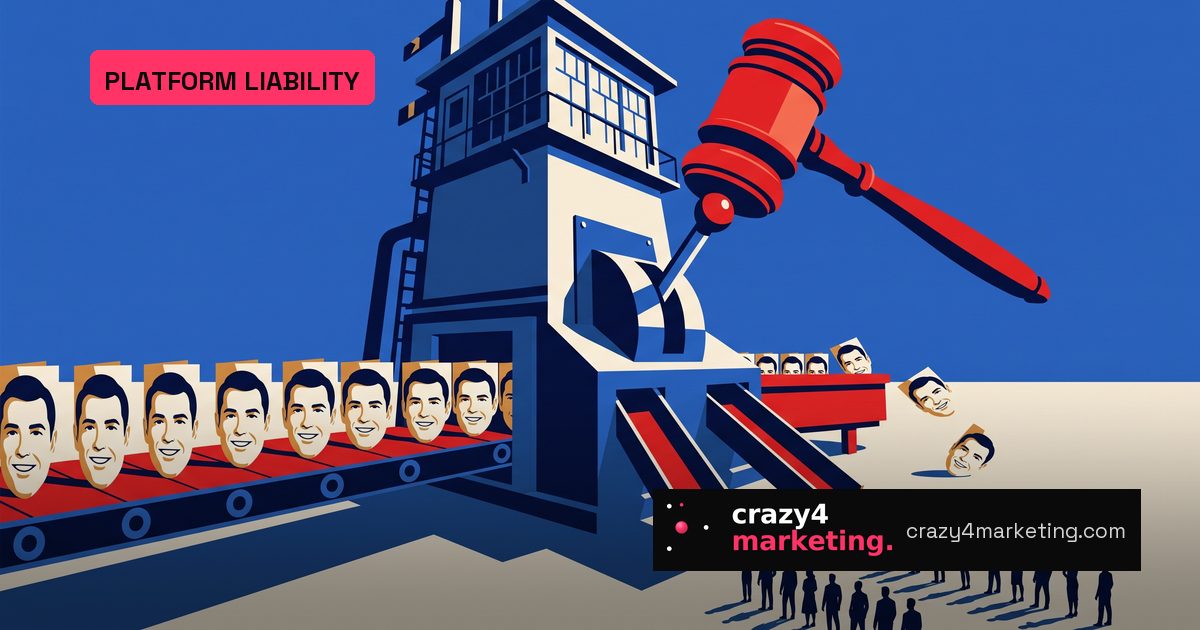
The court’s central finding is that Meta’s ad auction and feed algorithms amount to control over content, not passive hosting under Article 6 of the Digital Services Act. The chamber leaned on the CJEU’s Webgroup and Coyote ruling. Because Meta’s systems decide which users see which ads and posts, and do so in Meta’s commercial interest, the hosting exemption does not apply.
Merely by conducting such an ‘auction’ according to criteria set by the defendant, the defendant exercises a control and decision-making function over the advertisements that is superior to that of the individual advertiser.
The judgment draws a line around recommendation algorithms. Chronological feeds, classic forums, Mastodon and Bluesky likely remain lower risk. Meta’s ranking and auction model, by contrast, serves its own engagement and revenue goals.
What the court ordered
- Stop publishing third-party content using Finanzfluss or Thomas Kehl’s name or likeness without consent.
- Disclose URL-level distribution data, total views and revenue earned from infringing content.
- Pay damages for existing and future harm, including non-material compensation for Kehl.
- Cover €3,568.81 in pre-trial legal fees plus interest.
Each future violation can bring an administrative fine of up to €250,000, with coercive detention possible if it cannot be collected. The judgment is not final.
The impersonation playbook
Fraudsters used profile names such as Finanzfluss54, Thomas-Kell and Thomas von Finanzfluss, then bought Meta ads to funnel people into WhatsApp groups and dubious investments. One ad featured an AI-generated deepfake of Kehl and reached more than 5,000 users. Finflow itself does not run Meta ads, yet altered versions of its brand kept reappearing after hundreds of reports.
The court also rejected Meta’s speed as a fallback argument. One reported profile stayed live for 20 days; another stayed live for 14 days. That was not expeditious, the chamber said.
What marketers should do now
For performance marketers and growth teams, this does not mean abandoning Meta Ads. It means preparing for stricter platform enforcement and stronger rights management.
- Secure written consent for any founder, influencer or creator face and brand you use in paid campaigns.
- Monitor name variations, added digits and special characters through Meta Brand Rights Protection.
- Document reports with precise URLs, reference images and a clear explanation of why the ad is fake.
- Expect more automated checks and takedowns, especially in finance and creator-led offers.
Source: PPC Land