
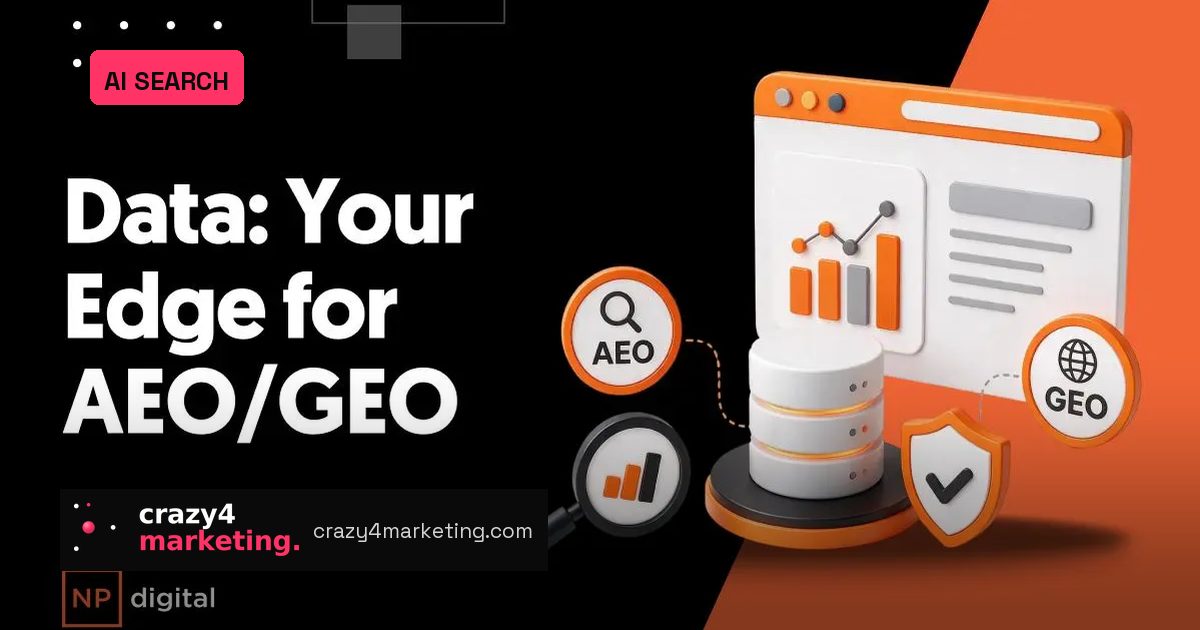
Original research has become one of the few reliable ways to stand out in search. When every competitor can summarize the same industry stats, a brand that contributes its own data gives AI systems something they cannot get elsewhere.
A recent Search Engine Land analysis of AI citations found that proprietary data can be a strong differentiator for visibility in AI-generated answers. But the same research adds an important caveat: unique information alone isn’t enough. AI systems were more likely to cite findings when they appeared early on the page and were presented in a format that made them easy to identify and extract.
For marketing teams, that shifts the job. It’s no longer enough to publish original research; you have to package it so a model can find and quote the key point.
What the research found
The opportunity starts with having something unique to contribute. That can include:
- Original surveys, such as asking 1,000 homeowners about their buying journey
- Audience research built from CRM or customer data
- Internal studies that reveal trends over time
- Industry statistics tied to specific market conditions
AI models already have access to the same broadly repeated answers. A new data point gives them a reason to cite your page instead of recycling the generic version.
But placement matters too. The research indicates that information appearing earlier on a page is more likely to receive an AI citation. That means burying a hero statistic several sections deep can make it harder for AI systems to recognize it as a key contribution.
Structure is the multiplier
NP Digital recommends surfacing significant original statistics within roughly the first third of educational and commercial pages. The exact spot will vary: a product page may need a short introduction first, while an educational article can often lead with the data.
The core rule is simple. Don’t hide the information that makes your content distinctive.
Make every important finding easy to extract. State the result clearly under a descriptive heading, then explain what the number represents, how it was collected and why it matters. That gives the statistic enough context to stand on its own.
Schema and structured formats reinforce the same signal. Dataset schema can help identify original research, while FAQ schema makes question-and-answer content easier to pull directly. Comparison tables group categories, numbers and time periods in one scannable place. FAQs turn a finding into a self-contained block an AI system can reference without interpreting surrounding paragraphs.
Apply this beyond the blog
Original data doesn’t have to live in editorial content. Product pages can include usage research, service pages can show industry findings and commercial pages can use proprietary stats to back up their claims. That matters most on pages that directly influence conversion.
Start by auditing your existing content for first-party insights you have never published. Then revisit your highest-value pages and move the strongest stat higher, with clear formatting and one or two structured elements.
The larger lesson is that proprietary data earns authority, but clear, early and extractable presentation earns the citation.
Source: Neil Patel