
MercyCare’s second campaign under its When Life Needs platform is a reminder that the simplest body part can carry the biggest brand story. Chapter’s 30-second hero film and two 15-second service cuts use hands as the entire narrative language.
The hook
The first three seconds trade spectacle for skin. A pair of hands fills the frame before any face, location, logo, or service list appears. It is intimate, immediate, and slightly ambiguous—whose hands are these, and what are they doing? That small gap is the hook. It works because hands are something the audience already reads emotionally, without needing a narrator to explain.
The structure of the film
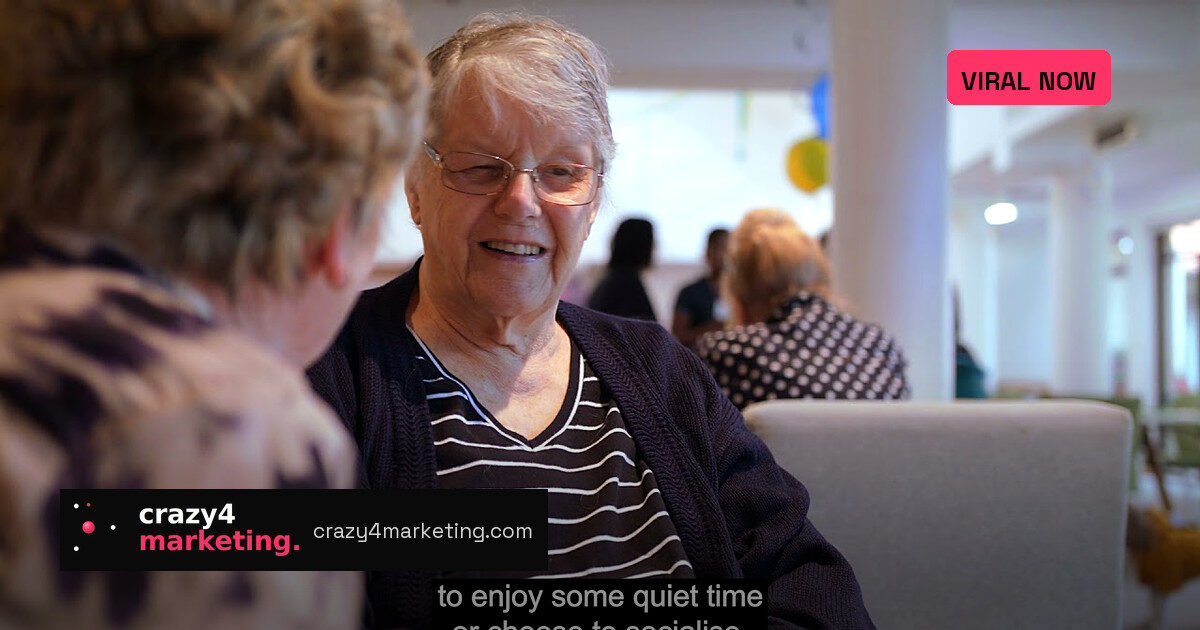
MercyCare’s film follows a simple visual device: hands as a through-line of a life. The story moves from the first hands that hold us, to hands that help us learn, support us through life, and care for us as we grow older. A custom-composed music track by Tim Count carries the changing emotional register. The score shifts from the energy and optimism of childhood to quieter, more reflective moments in later life.
The campaign structure is just as clear: a 30-second lead film sits above 15-second executions focused on Early Learning and Aged Care. The close is the platform line When Life Needs. That final line ties the whole story to the brand’s promise without turning the film into a service catalogue.
Why it spread
Care advertising usually struggles between two poles: too clinical or too tearful. This film spreads because it chooses a physical, universal gesture instead of a case study. Everyone has a memory of hands that held them, fed them, comforted them, or let go. That recognition is the share trigger.
“The films are emotive and meaningful, and they represent our brand beautifully.” — Nawal Leon Kurson, Manager of Brand Communication and Marketing, MercyCare
The campaign also benefits from format flexibility. A single visual device works across early learning, disability, community, home, and aged care, making the brand feel unified rather than fragmented. The 30-second and 15-second cuts mean the same story can run in different placements without losing its spine.
The films use intimate, emotive moments, but they avoid over-narrating. That restraint makes them easy to watch and easy to share. Because hands are culturally universal, the story doesn’t demand much background knowledge. A viewer can project their own relationships onto the imagery, which is exactly what drives comments and private shares. Creative production came from Rhythm, music from MDS, and media from Dentsu. Chapter’s founding creative director Dean Hunt called the idea a simple, distinctive campaign, wonderfully executed.
The numbers
The source does not give earned-media, view, or reach figures. The only numbers are structural: a 30-second lead film and 15-second Early Learning and Aged Care executions. Dean Hunt notes MercyCare has provided hands-on care in Western Australia since 1846. That history is the strategic grounding, not a campaign metric.
Steal this
Smaller brands can borrow the thinking without the production scale.
- Anchor on one recurring image. Choose a visual device simple enough to work in a six-second cut and deep enough to carry a 30-second story.
- Let music do the emotional work. Score the journey from early energy to later calm instead of explaining it in voiceover.
- Cut for the audience, not the asset. Turn a hero film into service-specific short versions so the same story fits different placements and mindsets.
The bigger lesson: a brand platform is only as useful as the visual and sonic ideas that keep it fresh. MercyCare’s second When Life Needs campaign works because it found a single, repeatable gesture that feels human rather than manufactured.
Watch the original: MercyCare on YouTube
Source: Campaign Brief