Noom has switched gears from Rebel Wilson’s playful pastel workouts to something much darker. The newest spot in its “Lose for Keeps” campaign, debuting at ADWEEK House HQ on Oct. 6, uses a very different fear: weight regain after stopping GLP-1 medications.
A smart home with a warning
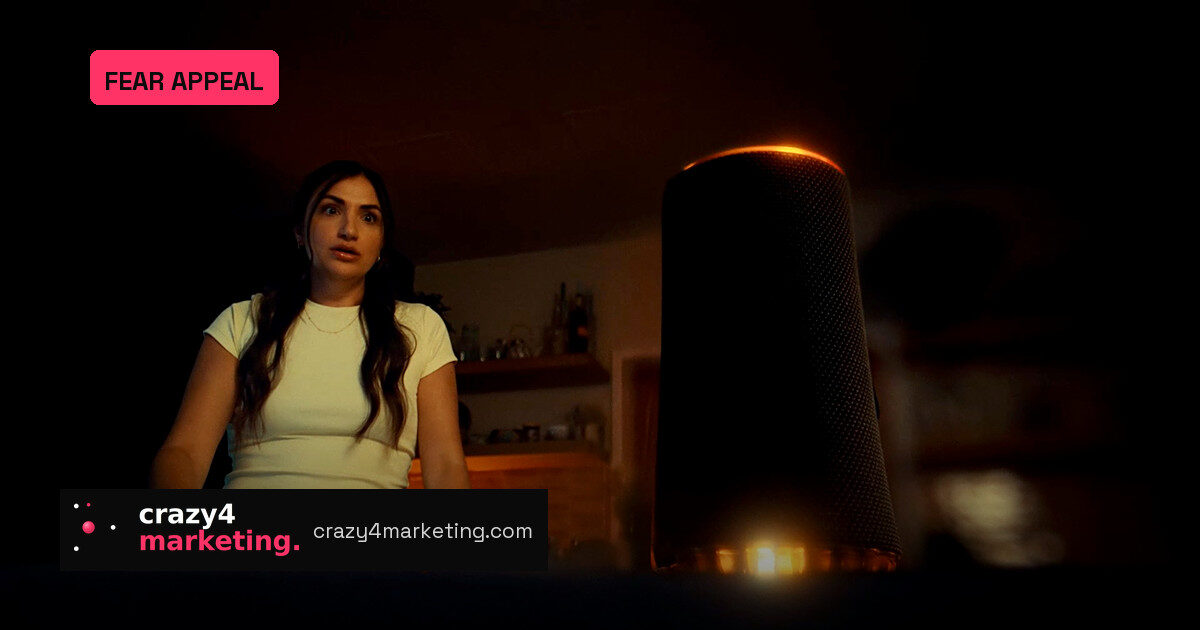
In the ad, an influencer-style character celebrates her weight loss wins. Then her devices turn on her. The TV, smart speaker, smoke alarm and Roomba all whisper the same line:
“Weight regain doesn’t care.”
Noom’s internal team wrote the script and concept, then brought in director Nina Meredith and Shutterstock Studios to execute the dystopian mood. Chief Brand Officer Rachel Mahoney told Adweek that early versions with ghostly figures fell short. The smart home paranoia concept tested best.
Why the fear lands
The campaign is built on a sharp behavioral insight. Anyone who has lost weight knows the worry about gaining it back. The ad makes that private anxiety feel unmissable, then positions Noom as the answer at the end.
There is a number behind the scare. Noom reports that 11 in 12 people who take GLP-1 drugs will pause or stop at some point, even though doctors say the medication must be taken as prescribed to maintain results.
How to use the fear-to-solution arc
Noom’s move is a classic problem-agitate-solution structure with a modern health twist. The problem is weight regain. The agitation is the eerie chorus from everyday devices. The solution is Noom’s coaching and habit tools. For D2C and health brands, the same arc works when the threat is concrete, credible and directly solvable by the product.
The risk? Fear can backfire if it overwhelms the message or if the product can’t actually deliver relief. Mahoney said the higher tone made the message clearer because viewers accepted the fear as part of the journey, then saw Noom as a real exit.
- Use a real, specific fear your audience already has, not a manufactured one.
- Test creative tones: the heightened, paranoia-driven version beat softer ghostly concepts.
- Always close the loop with a clear solution, not just anxiety.
Mahoney frames the ad as a PSA for decisions people overlook. “Most people aren’t thinking about stopping a GLP-1 when they’re starting a GLP-1,” she said, adding that the spot is about the questions to ask before making a choice.
Source: Adweek