The hook
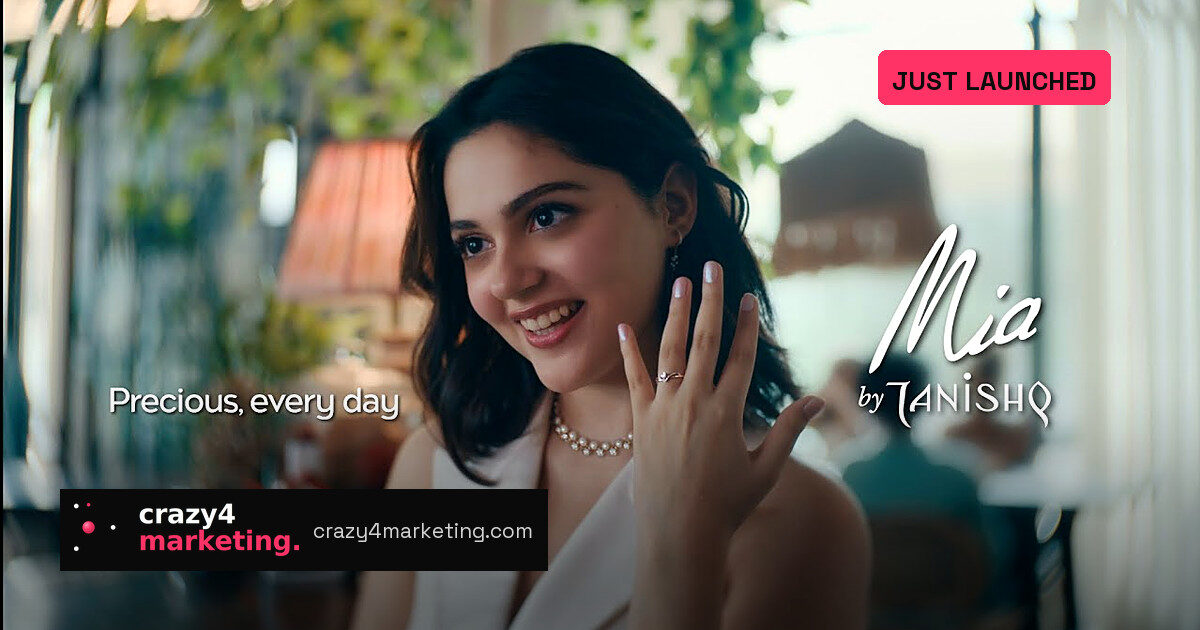
The first three seconds do one job: they let a friend spot the diamond ring and ask the question most viewers are already asking. The instant assumption is that a ring on that finger means a proposal. That makes the audience complicit in the convention the film is about to overturn. Recognition comes first, the reversal comes later.
The structure of the film
The spot runs as a single conversation between Aneet Padda and an old friend. The friend notices the ring and draws the obvious conclusion. Padda first says there is no one. Then she corrects the premise: there is someone—herself. She liked the ring, so she bought it. When the friend asks about a future proposal, the reply splits time into two. A proposal is for someday; the ring is for today.
The turn is delivered through dialogue rather than quick cuts or a voiceover. That keeps the challenge to tradition feeling like a chat between friends, not a lecture.
The idea and the brief
The film builds on Mia’s ‘Precious, Every Day’ platform, launched last year around the idea that jewellery does not need to be tied to milestones or special occasions. This time the team chose the engagement ring as the sharpest test of that belief.
Shyamala Ramanan, business head at Mia by Tanishq, says the brand wants the young woman of today to be confident, expressive and free to live on her own terms. She calls self-purchase one of the fastest-growing parts of the business. Aneet Padda adds that the conversation challenges a century-old convention: a ring does not have to mean someone chose you, it can mean you chose yourself.
Where it is running
The launch report does not detail exact media placements. For a dialogue-led film like this, the visible home is likely digital and social, but that is not confirmed in the source. Treat the current release as the brand’s owned-channel push until more detail appears.
Steal this: three moves for a smaller brand
- Let the product interrupt a familiar assumption. Start with the misread—ring equals engaged—then use dialogue to correct it.
- Sell the occasion, not just the object. Move the product from ‘someday’ to ‘today’. A smaller brand can reframe the default occasion in its own category.
- Put the customer’s voice in the script. The persuasion feels personal because it comes from Padda’s character, not a brand narrator.
Watch the original: Mia by Tanishq on YouTube
Source: Afaqs!