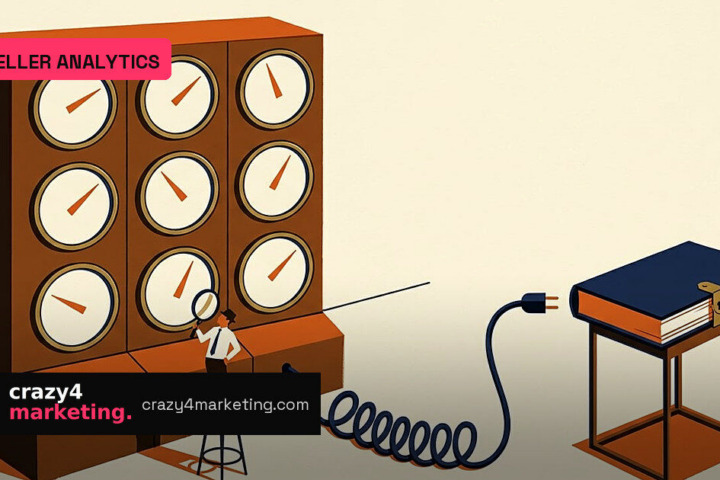
The corner kirana used to run on recall. A cloth-bound khata, a pencil stub, a calculator and an unspoken promise: “His word is his ledger.” The owner remembered who took tea on credit, who ordered atta before payday, and which family needed extra oil ahead of a wedding.
That memory is moving to the cloud. The khata hasn’t disappeared; it has been digitised. Orders sit in a phone, invoices fill in, and payment links arrive before the customer reaches the door. The change is small at first, then it becomes the way the shop works.
From paper memory to a working ledger
In 2016, Jio’s Welcome Offer made unlimited 4G data, voice, video and apps part of everyday life (Reliance Industries). The early number was reach: 100 million subscribers in 170 days, company-reported. That reach put a kirana shop on the same always-on connection as a larger store.
By March 2026, Reliance Jio Infocomm serves 524 million+ customers, company-reported. Its ecosystem now spans connectivity, entertainment, commerce, payments, devices, cloud and AI, with a stated priority to digitise businesses and bring ‘AI Everywhere for Everyone’ (Reliance Industries 48th AGM, August 2025). At the counter, those priorities turn into very small actions.
What the shopkeeper sees
A paper khata records what is owed. A cloud ledger records what is bought. It keeps credit history, reorder patterns and seasonal spikes in one place. It can remind the shop that monsoon means more tea and candles, or that a customer always buys coconut oil in the first week of the month. The shop begins to behave like a quiet CRM with an inventory brain.
What the customer notices
- A clear reminder replaces the vague “you owe me from last time.”
- An order on WhatsApp can be packed without repeating the list.
- Loyalty shows up as a reserved pack during a shortage, not points or gimmicks.
- Being remembered by preference makes the shop feel more personal, not less.
The marketing idea inside the quiet upgrade
For digital marketers, the kirana’s move is a reminder that a CRM is not a tool you push on customers. It is memory made useful. The shopkeeper’s biggest asset has always been recognition. Digitisation makes that recognition available before the shop opens, not just when the customer walks in.
India’s question has moved from how much data costs to what can be done with it. For the corner shop, the answer is not a dashboard. It is a customer who hears, “I kept your usual brand aside.”
Marketers often separate retention and acquisition. The kirana shows they are the same ledger. A customer who is remembered buys again, tells the neighbour, and returns for festival prep. Growth does not begin with an ad; it begins with a record that makes the next visit easier.
What does not change
Cloud billing does not replace the small talk, the extra coriander or the trust that a shopkeeper will accept payment later. It makes those promises easier to keep. When a family asks for a monthly tab, the owner can show the balance openly instead of flipping pages and saying, “It is somewhere here.”
The cloud means the shop no longer forgets. Customers notice when the relationship feels remembered.