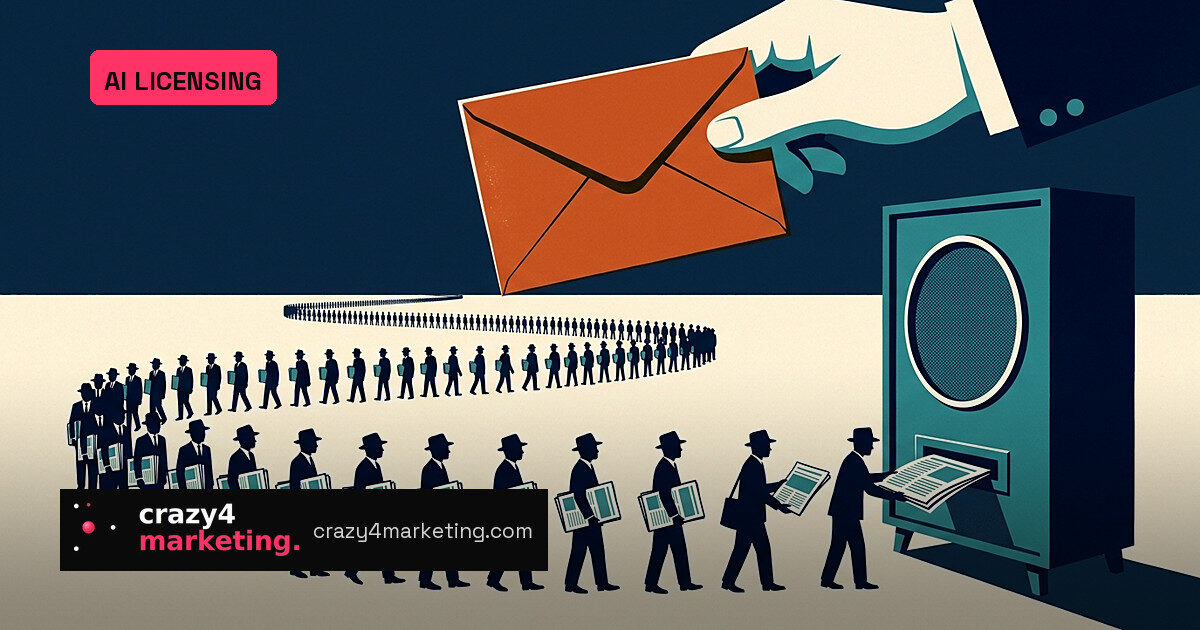
Google says its AI news licensing push just got much bigger. On October 15, 2026, the company announced that more than 400 publications worldwide now take part in its News AI pilot program, up from a small group that launched in December 2025 with titles like The Washington Post and The Washington Examiner.
The newest names include Axios, CNN, The Financial Times and Forbes, plus local US outlets such as Post and Courier, Texas Tribune, Oil City News and Shaw Media.
What Google actually pays for
In its corporate blog post, Google says it pays publications for
‘Through this licensing program, we pay participating news publications for the delivery and use of enhanced content to develop new AI features.’
That content powers two Google News features: written article summaries on publisher pages and customizable audio briefings. Google says both carry clear attribution and direct links.
That is roughly where the detail stops. Google did not say how much it pays, how payments are calculated, or which countries the participating publications sit in. It also never defines ‘enhanced content’.
The gaps that should make marketers pause
The announcement leaves several questions open:
- Is the count 400 publications or more than 400? The headline and body disagree.
- Is this a pilot or a licensing program? Google uses both labels.
- Are publishers counted once per masthead or once per company? Shaw Media is a group, not a single title.
- How many of the original nine partners from December 2025 are still in? Google names only the two Washington titles.
None of these details is academic. Publishers are being asked to license their journalism to a platform whose AI features are designed to be read before anyone clicks.
Why the traffic context matters
The deal lands as Google referrals shrink. NewzDash data covering more than 400 news publishers shows Google Web Search fell from 51.10% of publisher Google traffic in 2023 to 27.42% in Q4 2025. Google Discover rose from 37.03% to 67.51% over the same period.
Chartbeat figures published in March 2026 show small publishers lost 60% of search referrals over two years, compared with 47% for medium publishers and 22% for large ones.
Google also runs a separate AI contribution pilot. That program pays roughly 100 publishers when their content shapes AI Overviews, AI Mode or Gemini answers. The Information reported that one early participant earns more than $1 million a year, while several smaller sites received less than $1,000 over months.
What to do before signing anything
If you run a content site or buy ads against news inventory, treat these programs as a traffic bet, not guaranteed revenue. Ask Google for click-through data on article summaries and audio briefings. Define exactly what content is licensed. Push for payment formulas tied to usage or referrals, not a flat fee.
In Search Console, the generative AI reports added in June 2026 show impressions, but clicks were not among the initial data categories. So do not assume an AI placement sends readers back to your site.
Publishers should also watch the regulatory angle. The European Commission opened an antitrust investigation into Google’s AI content practices one day before the pilot launched. In the UK, regulators have proposed giving publishers an opt-out from AI features.
The 400-publication mark is a milestone. But without payment terms, definitions and performance data, it remains a very large number with a very small explanation.
Source: PPC Land