
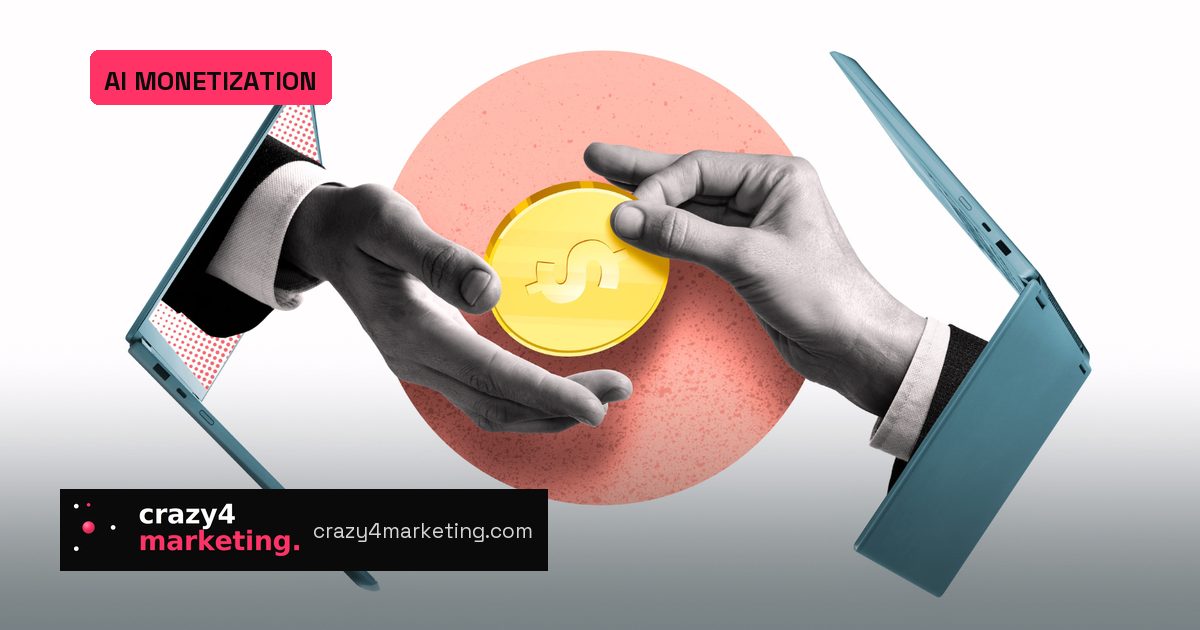
Google has started paying some publishers when their content contributes to AI-generated answers. But the calculation remains a black box—one executive familiar with the pilot described it that way. Meanwhile, a hands-on experiment shows a different path: make the agent pay before it reads the page.
A live pay-per-crawl test
The demo at paid.suganthan.com has been running since August 8. It uses a Cloudflare Worker and about 300 lines of code to charge $0.01 for one research page. The mechanism is HTTP status 402, the “Payment Required” code that sat unused for decades.
When an agent requests the protected page, the server returns a 402 with a payment offer. The client signs a USDC payment, retries the request, and receives the content with a settlement receipt. The early payments used testnet tokens, so the cents had no real market value—but the plumbing worked.
Why this matters for digital marketers
The old search deal was simple: crawlers got content, sites got traffic. AI answers changed that. An agent can consume your page, use the information, and never send a visitor back. That’s why Google’s AI contribution pilot is significant—it pays when content contributes during answer generation in AI Overviews, AI Mode, or the Gemini app.
But the pilot doesn’t show publishers how payments are calculated. Direct pay-per-crawl flips that: the site sets a price, the agent accepts or refuses. No separate licensing deal, no dashboard opacity.
What to do before this hits your dashboard
- Audit your high-value assets. Original datasets, proprietary research, interactive tools, and unique data are more natural paywalled resources than general explainers.
- Watch your AI crawler traffic. Measure what GPTBot, ClaudeBot, PerplexityBot, and Googlebot are fetching. Low referral value plus high crawling volume is a signal.
- Set agent budgets early. The Claude Code hook in the test refused to pay when the price exceeded a $0.05 per-call cap. Delegated spending without guardrails is a wallet-draining risk.
- Ask for calculation details. If Google or another platform offers a payment, ask how the number was reached. Early terms can influence future negotiation leverage.
None of this means you should block AI crawlers or paywall every URL today. Production bots aren’t arriving with wallets yet. Cloudflare’s Wallets and Monetization Gateway are still behind reservations and waitlists, even though the x402 Foundation now includes Visa, Mastercard, Google, AWS, Stripe, and Cloudflare.
The real takeaway
The infrastructure is real, but the market is not mature. A large number of x402 transactions doesn’t prove autonomous agents are buying useful content independently—the test’s own payments came from the site owner’s own agents. Still, the direction is clear. Start deciding which resources would deserve a per-request price before the option becomes a routine setting.
Source: Search Engine Journal