

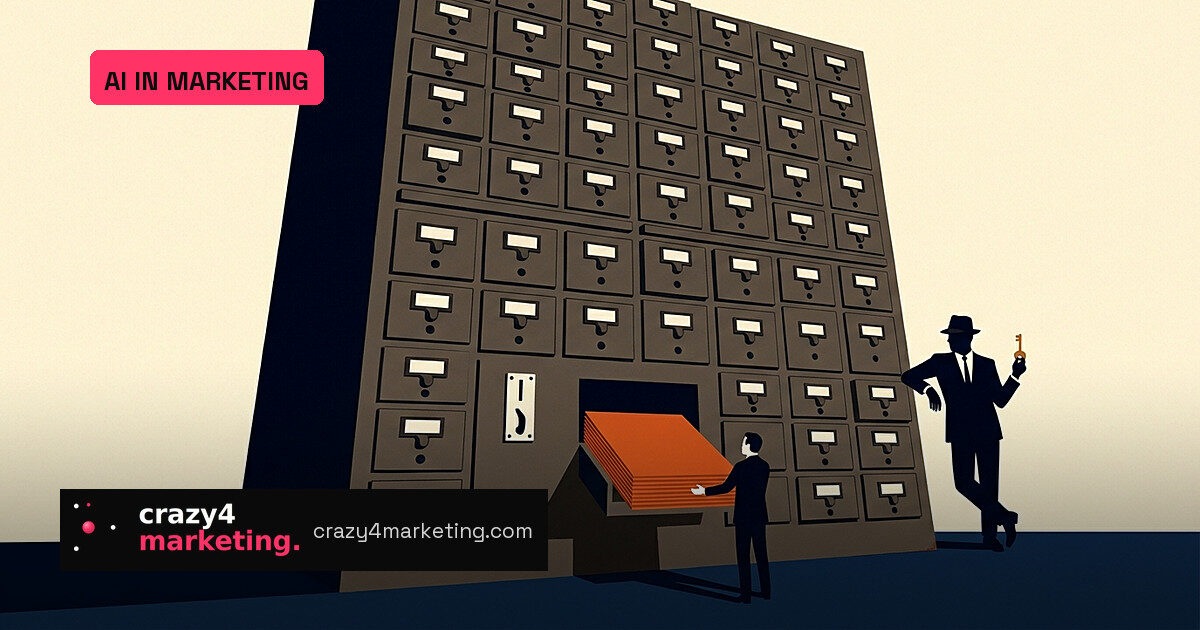
Marie Haynes has spent years explaining why websites lose Google traffic. On October 23, 2026, she showed a different version of that expertise: a 44-minute YouTube video documenting how roughly 600 markdown files, a Google AI model and a server of algorithm updates now draft the SEO reports she sells.
What she built
Haynes calls her system an “OKF brain.” It is a collection of around 600 small, labelled files holding blog posts, playbooks, entities, news items and client memory. The format is Google’s Open Knowledge Format, first published June 12, 2026; its only required field is type, and an optional index.md helps agents see what a directory contains before opening documents.
She connected that library to Gemini 4 Argon, launched October 13, 2026 for paid users, and to an MCP server that logs Google algorithm updates. The combination drafts traffic drop, helpfulness and post-update reports, and Haynes says it made its first money the week the video went up.
The economics that matter
Haynes reports that queries run pennies each, heavy use costs $5 to $6 a day, and Google Cloud storage is effectively $0 at her scale. That changes the unit economics: she previously described spending three weeks on a manual report that might bring in tens of thousands of dollars, or a few hundred dollars for smaller clients.
“I don’t think it’s a good idea to sell your knowledge bundles,” Haynes says in the video. “Instead, you sell access to your bundles.” Her strategic shift is the takeaway: raw bundles hand over the IP, while access keeps the expertise in her control.
What marketers should watch
The practical lesson is in how she structures knowledge rather than in the model itself. Three elements stand out:
- Small, labelled files: Breaking expertise into discrete, tagged notes makes it retrievable without a huge vector search.
- Memory layers: Her health tracker slowed down as one memory file grew, so she split it into core memory, a rolling 14-day recent memory and a searchable older archive.
- Human correction loops: When a draft labels something wrong, she fixes it and runs a /learn command so the next report improves.
The caveat is verification. Haynes says she manually checks every report and has found no hallucination, but that is her own review; the demo reports in the video are for a made-up site, so viewers cannot compare outputs to source data. She also runs the agent with broad permissions over her email and client data, a setup she says she would not recommend for enterprise work.
Source: PPC Land


