
The first rule of underdog marketing: if you cannot outspend the frontrunner, interrupt them. California GOP gubernatorial candidate Steve Hilton just put that rule on television.
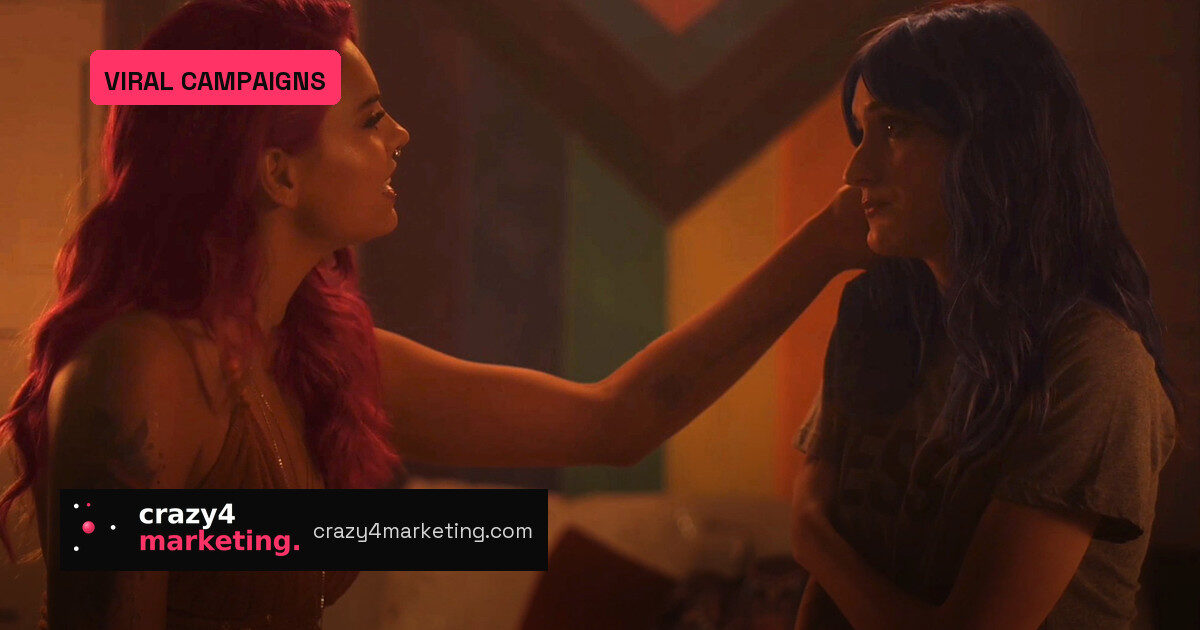
His new spot, “Just Try It, California,” launched Thursday as the first ad in a six-figure television and digital campaign aimed at Gen Z and millennial voters. It opens with two AI-generated young women on a bed beneath a Pride flag, one wearing a “RESIST” shirt, and then cuts to the real action: bubbling in “Steve Hilton” on a California election ballot.
The creative is a classic bait-and-switch
The suggestive exchange sets up one expectation. “What if my dad finds out?” one woman asks. The other answers, “Just try it.” The reveal lands when the camera pans down and the hesitant woman says, “I think I like it.”
That structure is deliberate. The tease buys the first few seconds. The reveal carries the message: voting for Hilton is a low-risk experiment, not an identity change.
Why an 18-point gap explains the risk
Hilton trails Democratic rival Xavier Becerra by around 18 percentage points in the latest polls. In a state where Democrats dominate, a conventional Republican ad would struggle to reach the voters he needs.
So Hilton is making a direct pitch to independents and even Democrats. His statement after the launch distilled the message: “People do not need permission from a party to want a state they can afford. Gas, utilities, housing, schools. Sixteen years of the same government, and it keeps getting harder to live here.”
He adds, “You do not have to become a Republican to want a different result.”
What marketers should take from it
- Pattern interrupt beats polished messaging when you are losing attention.
- A twist works only if the payoff is simple — here, the slogan “Just try it” does the work.
- Segment the offer, not just the creative — Hilton is explicitly giving permission to non-Republicans.
Attention is not persuasion
Reaction was mixed. Former Los Angeles mayoral candidate Spencer Pratt called the ad brilliant. Others warned that the Pride flag and the framing could be read as pro-LGBT and may turn off conservative Republicans, even while it courts moderates and left-leaning voters.
That tension is the lesson for growth teams. A viral moment can generate reach, but the creative still has to protect the base while converting the skeptical middle. Hilton is betting that the earned attention is worth the friction.
How to run this playbook without the blowback
For political and consumer brands, the takeaway is not to copy the shock. It is to copy the structure: open with a visual that stops the thumb, then hand the viewer a simple, low-cost next step. The slogan “Just try it” works like conversion copy because it proposes a trial, not a conversion.
The bigger risk is brand safety. Several viewers said the ad felt uncomfortable, and some supporters worried it could do more harm than good with the GOP base. If you are testing polarizing creative, run it with a clear measurement plan: track mention sentiment, brand search volume, and list signups alongside the vanity impressions.
Source: California Post