The sharpest regional campaign idea is often not in a pitch deck. It is in a hostel common room at midnight, where one phone becomes a projector for five people. It is in a village courtyard during a festival, where a video call turns a greeting into a shared family broadcast.
These are not niche scenes anymore; they are the mainstream feed.
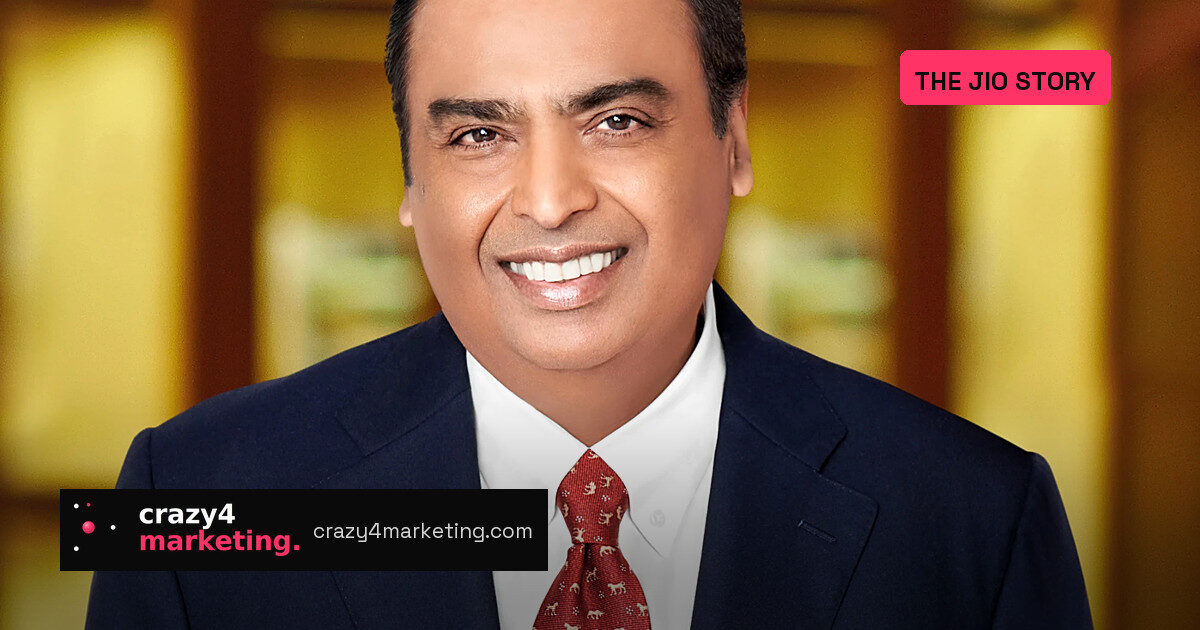
The shift has a clear starting point. In 2016, Jio launched with unlimited 4G data, voice, video and apps (Reliance Industries). It reached 100 million subscribers within 170 days (company-reported; Reliance Industries Integrated Annual Report 2016-17). By March 2026, Jio serves 524 million+ customers (Reliance Jio Infocomm; company-reported).
For marketers, the more useful line is the question the decade changed. India’s data conversation moved from “How much does data cost?” to “What can we do with data?”
Hometown calls became festival feeds
A village-to-city video call is no longer a rare event. It carries the prayer, the firecrackers, the new outfit and the cousin who could not travel. These calls are not tidy one-to-one moments. They are small broadcasts, filmed on a front camera, replayed in a family group.
Festival moments already have built-in emotion, timing and sharing. A brand that understands this does not have to invent a reason to be relevant; the ritual already exists.
Hostel Wi-Fi made the screen social
Hostel corridors have their own data culture. One connection feeds a room, a floor, or a friend’s phone. Students crowd around match highlights, finale episodes and regional reels. The screen is shared, and so is the reaction.
This is a useful reminder for performance marketers. Impressions may be logged on one device, but the actual audience is often a group. Creative that works on a shared screen tends to be louder, simpler and more repeatable.
Regional creators made local the default
Regional creators did not wait for a national trend to arrive. They posted in Haryanvi, Bhojpuri, Tamil, Marathi and hostel slang. They turned local sounds, mess food and hometown festival prep into formats that travelled beyond their own towns.
The result is a long tail of local relevance. A brand does not always need one blockbuster; it can earn a place in many small group chats where the context already feels native.
- Watch regional creators for high-context hooks, not translated scripts.
- Design for group viewing and family co-watching, not just solo feeds.
- Map festival moments as recurring local engagement windows.
- Treat local language as the core creative, not a subtitle.
Jio’s stated priorities point in the same direction: connect every Indian, bring digital services home, digitise businesses, and pursue “AI Everywhere for Everyone” (Reliance Industries 48th AGM, August 2025). The marketing takeaway is simpler. When the feed speaks the user’s own language, it stops being a target and starts feeling like home.
That is why the most effective regional work rarely feels like a campaign. It feels like something a friend would send in the family group, right after the video call ends.