The counter already had data
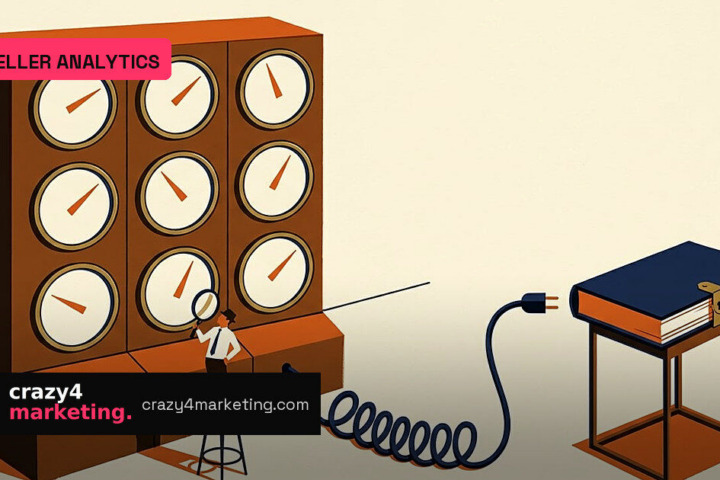
For decades, the kirana’s memory lived in a lined notebook. Credit names, phone numbers, pending amounts, a note about who prefers a certain brand. The shopkeeper did not call it data. It was just how business stayed alive.
That shift began when data stopped being rationed. After Jio’s 2016 launch with unlimited 4G data, voice, video and apps, the phone on the counter quietly became a second desk for many shops.
What changed was not the habit of tracking. It was where that tracking lives. When a small business moves its khata to the cloud, the same daily entry becomes searchable, shareable and visible across devices. A bill is no longer a fading line in a notebook; it becomes part of a living record.
From ledger to cloud: what actually shifts
Jio’s stated priorities include digitising businesses, and the framing of the data decade has moved from “How much does data cost?” to “What can we do with data?” For a neighbourhood shop, that question lands at the counter.
Here’s what changes in practice:
- The shopkeeper sees patterns without building a report: which items move fast, which regular has gone quiet, which month needs a bigger order.
- Customers get quicker billing and a clearer purchase trail, without waiting for the khata to be found under the counter.
- The business gains a second memory. One person’s absence does not take the customer history away.
None of this removes the human relationship. A regular still talks about the family while buying milk. The cloud just makes sure the shop remembers the part that used to be forgotten.
What the marketer should notice
For agency folks and D2C founders, the kirana’s digital shift changes the last mile. The counter is no longer a black box between a brand and a neighbourhood. It is becoming a place where local demand signals live.
When a shop’s daily sales move online, marketers can ask better questions: what do repeat buyers in a street prefer, what runs out before payday, which items survive on word of mouth. That is not a national dashboard. It is the granular, unglamorous data that growth teams often miss.
The play is not to interrupt the shopkeeper with more ads. It is to help the shop act on what its own cloud ledger already knows. Replenishment, reminders, loyalty done lightly. The technology should feel like a better memory, not a new chore.
The shop becomes easier to remember
Across India, this shift is uneven. Some shops still run fully on paper. Others opened a digital ledger because payments or deliveries already lived on the phone. The cloud does not make every counter identical; it gives each one a more reliable memory of itself.
For customers, the change is mostly quiet. Bills arrive faster, credit entries are clearer, and a stranger filling in for the owner can still pick up the thread. The familiar warmth stays because the cloud is not replacing the person. It is replacing the panic of forgetting.
The kirana’s first cloud move often looks unremarkable: one less notebook, one more login. But that small change means the shop can finally read its own daily life.