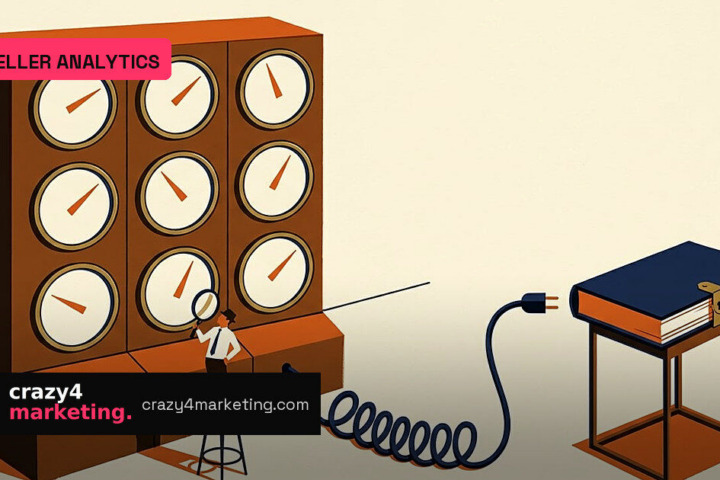
The kirana never forgot. It just kept its memory in a ruled notebook under the counter, with a blue carbon sheet. Now that memory sits in a cloud record, and the shop’s second shift begins.
The backdrop matters. In 2016, Reliance Industries launched Jio with the Welcome Offer: unlimited 4G data, voice, video and apps. That shift took the scarcity out of data and made a cloud khata thinkable for a shop that once rationed talktime.
The khata becomes a customer graph
For decades, the local shop’s data was a set of names, amounts and the occasional circled reminder: “sends son on Sunday.” A digital khata turns those loose notes into a customer graph. The shop owner can see who buys milk every morning, who asks for credit before the first of the month, and which festival pulls a new set of orders into the lane.
That is not a small operational change. It changes the pitch, the replenishment and the reminder. The owner stops guessing what to keep on the shelf and starts knowing what the lane will ask for next.
What changes for the customer
The visible shift is quiet. The customer still says the same thing: “bhaiya, wahi chai patti.” But now the shop already knows the brand, the quantity and the usual payment pattern. That feels like familiarity, but it runs on structured data.
- The usual order is suggested before the customer remembers it.
- Credit history travels to the cloud, so a forgotten amount stops becoming a small argument.
- Reorders and festival baskets become prompts, not cold selling.
- The shop’s half-hour closing time for hisaab shrinks, because the hisaab is already balanced.
The marketer’s read: loyalty without a loyalty card
For D2C and agency teams, the kirana’s cloud shift is a reminder that local commerce already had what many loyalty programmes chase: frequency, trust and context. The cloud record simply makes it visible and usable.
Jio’s stated priorities include digitising businesses and bringing digital services home; the ecosystem spans connectivity, commerce, payments, cloud and AI. That matters less as an announcement and more as a behaviour. When a neighbourhood shop starts running on cloud memory, the storefront becomes a small data layer between the brand and the home.
What the cloud khata does not replace
The notebook held more than totals. It held a tone: the lenient uncle, the extra packet of biscuits during exams, the whispered “pay later.” A cloud record can store the transaction, but the warmth still sits with the person behind the counter. The best digital kirana keeps the ledger in the cloud and the relationship on the street.
The question India asked moved from how much does data cost to what can we do with data. For the kirana, the answer is no longer a smarter notebook. It is a shop that remembers its customers before they ask, and a customer who feels known without being tracked.