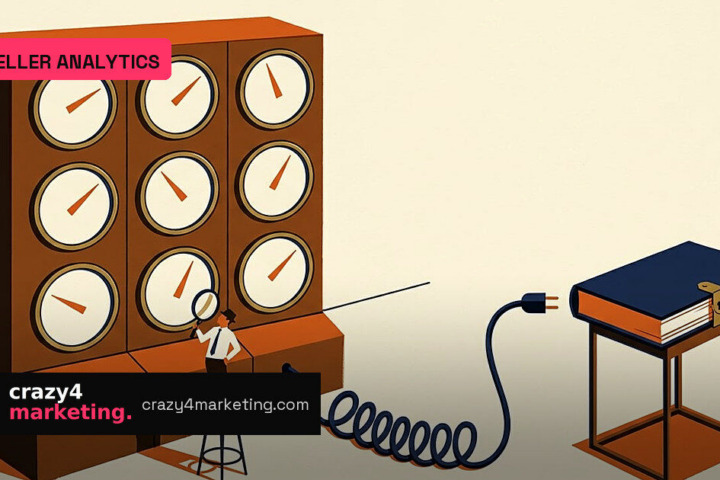
The kirana shop has always run on memory. The owner knows which customer buys two packets of biscuits every Tuesday, who takes atta on credit until the first week of the month, and whose child will not eat anything with extra chilli. The khata book was never only accounts. It was the neighbourhood’s most personal database.
For years, that data stayed on paper. It could tell you what happened, but only if someone flipped back through the pages. Moving the khata to the cloud changes the direction of the work. The book starts looking forward.
The khata becomes a customer memory layer
In 2016, Jio launched with the Welcome Offer: unlimited 4G data, voice, video and apps, according to Reliance Industries. That reset made data cheap enough to be invisible in daily life. A kirana owner could run a connected billing app without watching every megabyte. The question India asked moved from ‘How much does data cost?’ to ‘What can we do with data?’
Jio reached 100 million subscribers within 170 days of launch, as reported in Reliance Industries’ Integrated Annual Report 2016-17. Today, Jio serves 524 million+ customers, according to Reliance Jio Infocomm in March 2026. That scale is the backdrop, but the interesting shift happens on a single counter.
From record to response
When the khata moves to the cloud, the shopkeeper still records the sale. Now the tool can connect that sale to the person, the time of day and the basket. It can nudge the shopkeeper before the customer asks.
This is not a futuristic retail stack. It is the same counter, the same neighbourhood trust, with a light digital layer underneath. Reliance Industries’ 48th AGM in August 2025 described Jio’s ecosystem as spanning connectivity, entertainment, commerce, payments, devices, cloud and AI. For the kirana, three of those parts do the quiet work: connectivity, payments and cloud.
What changes for the shop and the customer
The customer notices small changes before the big ones. A bill that used to be remembered now arrives by message. A favourite brand is more likely to be available. Credit, which always ran on personal trust, can now carry a clean record behind it.
- The shop stops asking the regular for the same details every time.
- The owner sees patterns instead of just rows, so ordering becomes calmer.
- The customer gets fewer missing items and faster billing.
The marketing lesson inside the ledger
For digital marketers, the kirana shift is a quiet masterclass in contextual marketing. The shopkeeper does not send a campaign. The shopkeeper acts on a pattern at the moment it matters: restocking before the Tuesday rush, reminding a customer of a favourite item when it arrives, keeping credit gentle and personal.
Jio’s stated priorities, as framed at Reliance Industries’ 48th AGM in August 2025, are to connect every Indian, bring digital services home, digitise businesses, and pursue ‘AI Everywhere for Everyone’. In a kirana, that sounds grand. In practice, it means the owner who once flipped pages now taps a screen and knows what the next three hours look like.
The most useful customer data is often the least glamorous: repeat timing, preferred pack size, credit comfort, local festival demand. Once that data moves from paper to cloud, the relationship scales without losing its warmth.
For growth teams and D2C founders, the kirana-to-cloud movement is a reminder that India’s next commerce layer may not look like a cold storefront. It may look like a familiar shop that remembers better. The khata book has not disappeared. It has found a longer memory.