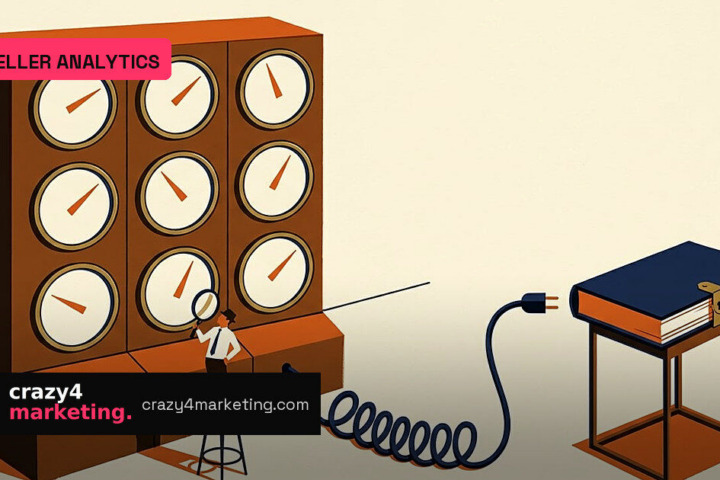
The kirana counter has always run on memory. A shopkeeper remembers who takes two packets of biscuits, who settles on Tuesday and whose child prefers a particular chocolate. For decades, that memory lived in a paper khata: a ledger of names, amounts and trust.
That ledger is quietly getting a digital twin. The shift is less about replacing the shopkeeper and more about giving the shop a second memory—one that is searchable, shareable and available beyond the counter.
From paper ledger to cloud records
The plumbing for this change has been building for a while. In 2016, Jio launched with the Welcome Offer: unlimited 4G data, voice, video and apps, according to Reliance Industries. The service reached 100 million subscribers within 170 days, as reported in the Reliance Industries Integrated Annual Report 2016-17. By March 2026, Reliance Jio Infocomm reported 524 million-plus customers.
That connectivity is now part of an ecosystem spanning connectivity, entertainment, commerce, payments, devices, cloud and AI, as outlined at Reliance Industries’ 48th AGM in August 2025. Among its stated priorities are digitising businesses and bringing digital services home. For the neighbourhood shop, those priorities land at the billing counter.
What changes for the shop
- The khata becomes something the owner can search, instead of a pile of paper to flip through.
- Repeat purchase patterns become visible: what sells on a rainy evening, what moves before a festival, what lingers on the shelf.
- Credit decisions sit on top of a written history, so a missed week doesn’t overwrite years of trust.
The shopkeeper still recognises the face, still asks about the family, still keeps a tin of toffees near the counter. But the operations behind that warmth now run on a different layer. The question India asked moved from ‘How much does data cost?’ to ‘What can we do with data?’—and the kirana is answering with everyday choices about billing, reordering and who gets credit.
The habit underneath the habit
Small shops don’t digitise because they want dashboards; they digitise because a customer asks whether a product is available, because a supplier wants an order confirmed by message, or because a regular says ‘put it on the khata’. Each small request pushes a paper habit toward a screen habit.
And once the records are digital, the shop starts to behave a little differently. The owner can see what to reorder before the shelf is empty. A second family member can handle the counter without guessing. The customer gets the same warmth with fewer repeated questions.
Cloud with a human face
What makes kirana-to-cloud feel natural is that it doesn’t ask the shop to become something else. It doesn’t replace the greeting, the bargaining or the small credit decisions made over years of familiarity. It adds a layer beneath those rituals.
For marketers and growth teams watching the shift, the lesson is not about technology adoption curves. It is about memory as a service. The businesses that win are not the ones with the most tools but the ones that help a shopkeeper remember more of what already matters.