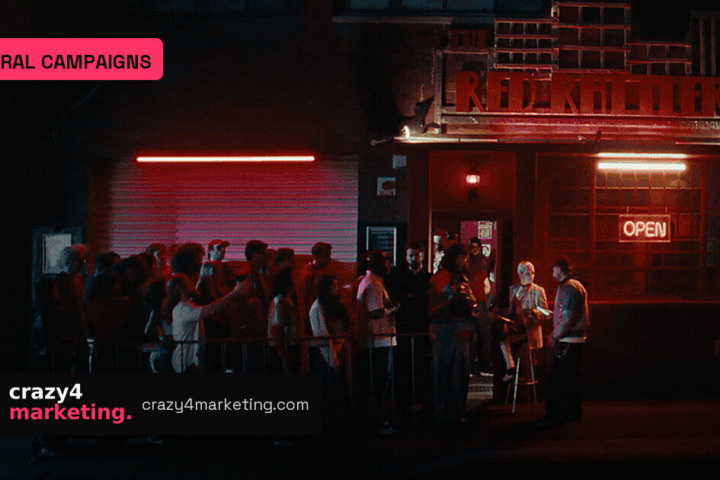


People Like Us and Danish agency Worth Your While have turned real automated job rejection emails into a four-minute spoken-word film called Dear [Name]. The film stars British actor Ebenezer Gyau and is directed by Amara Abbas through new—land productions. It was named best film of the week by Bestadsontv.com.
What the campaign is asking for
“Reject the Rejections” is more than a piece of creative; it has three explicit calls to action. It tells rejected candidates they may have the right to request a human review if they suspect an automated decision. It pushes employers to disclose when AI is used in hiring and to commit to independent bias audits. And it asks government to consider screening transparency laws.
The creative is built from actual rejection emails sent to ethnic minority candidates. Rather than explaining the problem in a policy document, the film performs that language as spoken word, turning cold brush-offs into a story about exclusion, hope and invisible barriers.
Why it matters for marketers
Hiring communication is employer branding. Every rejection email is a touchpoint, and most organisations have never audited what those messages sound like at scale. AI screening tools can introduce or amplify bias, but candidates rarely know when an algorithm made the call.
The film spreads because it is specific and uncomfortable. It doesn’t invent dialogue; it works from the exact language of the problem. That is the same mechanism behind strong customer-story campaigns: find the real words, remove the corporate filter, and let the audience recognise themselves in it.
There is a useful framework here for B2B and D2C teams: locate the moment of highest emotional friction, use the customer’s or candidate’s own words as the script, and attach a single clear demand. The film does exactly that. The friction is the automated rejection; the script is the rejection email; the demand is human review and disclosure.
It also reframes a common marketing idea. “Empathy” is not a soft brand value; here it is operational. Empathy shows up as the right to a human review, disclosure of automation, and independent audits. If those are missing, the most empathetic ad campaign will ring hollow.
What to do about it
- Audit your automated rejection templates for cold or robotic language.
- Disclose when AI is part of screening and audit it for bias.
- Give rejected candidates a clear way to request human review.
- Treat negative candidate feedback as a creative and process insight, not a PR risk.
Harsh Kapadia, Head of Enterprise Creative at Code and Theory, selected the film and described it as “a sharp, timely wake-up call to employers” about the automated replies they send. The lesson for growth and talent teams is direct: if your rejection email could not be read aloud in public, fix it before someone else turns it into a film.
Source: Campaign Brief