
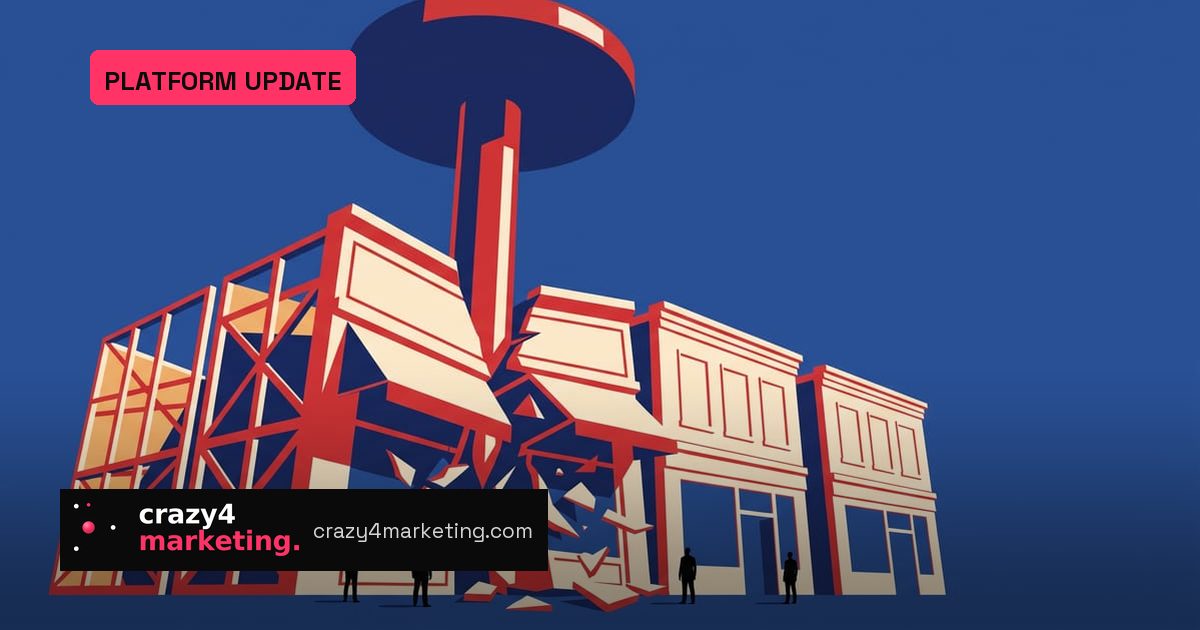
Pinterest is resetting the ad policy line. The platform emailed business advertisers on September 4, 2026, with a bundle of updated terms that take effect on November 12. The headline change: a standalone ban on scams and deceptive commerce, with binary options explicitly prohibited for the first time.
What is actually changing
The rewritten Advertising Guidelines add a new section — “Scams, deceptive goods and practices” — between unacceptable business practices and weapons and explosives. Thirteen bullets sit under that heading. Eight rules are relocated from the older unacceptable business practices list. Five are genuinely new:
- Products or offers misrepresented through synthetic media or manipulated content.
- Tools or templates intended to automate or scale scams.
- Fake offers, grants, prizes or giveaways used to mislead people.
- Fictitious or non-existent products, services or shopfronts.
- Impersonation or social engineering to misrepresent an identity, brand or affiliation.
Two existing rules were also widened. The essay-writing ban now covers services that enable academic dishonesty, while tutoring remains allowed. The follower-sales ban now covers anything that artificially inflates engagement metrics. The financial products list also gains binary options; payday loans and most crypto stay banned.
Why performance marketers should care
Pinterest is targeting the supply side of fraud, not just the misleading ad itself. Naming scam tooling and fictitious shopfronts gives enforcement an earlier point of intervention. That mirrors a broader shift: consumer groups have used advertising standards as a legal weapon, and Google’s 2025 Ads Safety Report described generative systems producing deceptive ads at scale.
For growth teams, the operational risk is concrete. Ads with aggressive performance claims, AI-generated creative that could misrepresent a product, demographic targeting beyond the previously named parameters for credit, employment or housing, and landing pages with non-dismissible pop-ups are all closer to the line after November 12.
Your pre-deadline audit
The good news: Pinterest says dismissible pop-ups on landing pages become permissible after the deadline. Automatic downloads and non-dismissible pop-ups remain out. Use the 69-day window to:
- Review ad copy and promises for exaggerated claims or bait-and-switch language.
- Check AI-generated creative against the new synthetic media rule.
- Clean up landing pages, especially pop-ups and auto-download triggers.
- Re-examine credit, employment and housing targeting parameters.
- Update data and privacy checks if you use Pinterest’s TV or off-platform inventory.
The November 12 documents also formalise offsite and connected-TV contract terms after the tvScientific acquisition. If you buy Pinterest campaigns that extend beyond Pinterest-owned surfaces, your agreement changes even if your creative does not.
Treat this as a funnel audit, not a policy memo. The brands that review now will avoid rejected ads and keep spend moving during the critical holiday season.
Source: PPC Land