

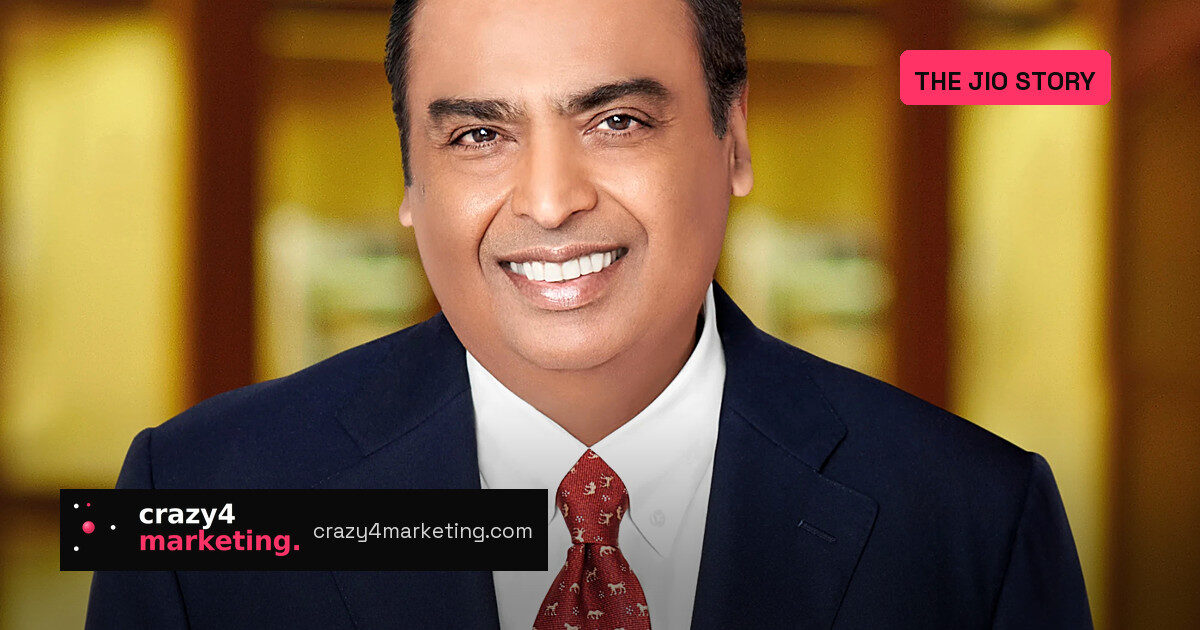
For many Indian households, the first data decision of the day used to be a negotiation. Play a video? Check the balance. Download an app? Wait for Wi-Fi. Send a photo? Let it crawl over a weak signal.
In 2016, Jio launched with the Welcome Offer: unlimited 4G data, voice, video and apps (Reliance Industries). The cyber cafe queue did not close overnight, but the reason to stand in it started fading fast.
The meter stopped being a family member
Before unlimited data, the monthly data pack behaved like a shared ration. People switched off mobile data after a quick check, downloaded songs for later, and asked relatives not to send heavy videos until the next billing cycle. The cyber cafe carried the big jobs: forms, uploads, printouts, long downloads, and sometimes just a stable connection.
After the reset, the same tasks started fitting into a pocket. The question India asked moved from ‘How much does data cost?’ to ‘What can we do with data?’ (the series’ framing line, not a statistic).
What changed underneath the everyday
The visible shift was convenience. The subtler shift was behavioural. Jio reached 100 million subscribers within 170 days of launch (company-reported; Reliance Industries Integrated Annual Report 2016-17). That speed signalled more than adoption; it signalled that data was no longer the pause before an action.
By March 2026, Jio serves 524 million+ customers (Reliance Jio Infocomm, March 2026; company-reported). Its ecosystem today spans connectivity, entertainment, commerce, payments, devices, cloud and AI (Reliance Industries 48th AGM, August 2025). For marketers, that changes the brief:
- The old task was to make campaigns light enough for a rationed connection.
- The new task is to make campaigns useful enough for an always-on pocket.
- The scarce input is no longer megabytes; it is attention inside a feed that never pauses.
The cyber cafe didn’t disappear; it unbundled
What lived in the cyber cafe got redistributed. The payment counter became a UPI screen. The upload desk became a cloud backup. The video call booth became a phone in the hand. No single day marked the shift, but the daily rituals changed all at once: less scouting for Wi-Fi, more live streaming, less waiting, more publishing.
For D2C founders and growth teams, that is the environment in which every campaign now lands. The audience is not rationing attention around a data limit. It is choosing among an endless feed, a group chat, a cricket final, a wedding reel and a work call, often inside one session.
The marketing read
When the data meter disappears, brands can no longer blame the connection for a weak idea. The audience is already scrolling, streaming, comparing and paying in the same stretch. The creative challenge is to earn the thumb stop through timing, cultural relevance and utility.
Jio’s stated priorities now include connecting every Indian, bringing digital services home, digitising businesses, and ‘AI Everywhere for Everyone’ (Reliance Industries 48th AGM, August 2025). That framing keeps the marketer’s lens on what people do after access becomes easy.
For marketing teams, the takeaway is precise: do not plan around the limits of the past. Plan around the habits that unlimited access unlocked.


