The hook
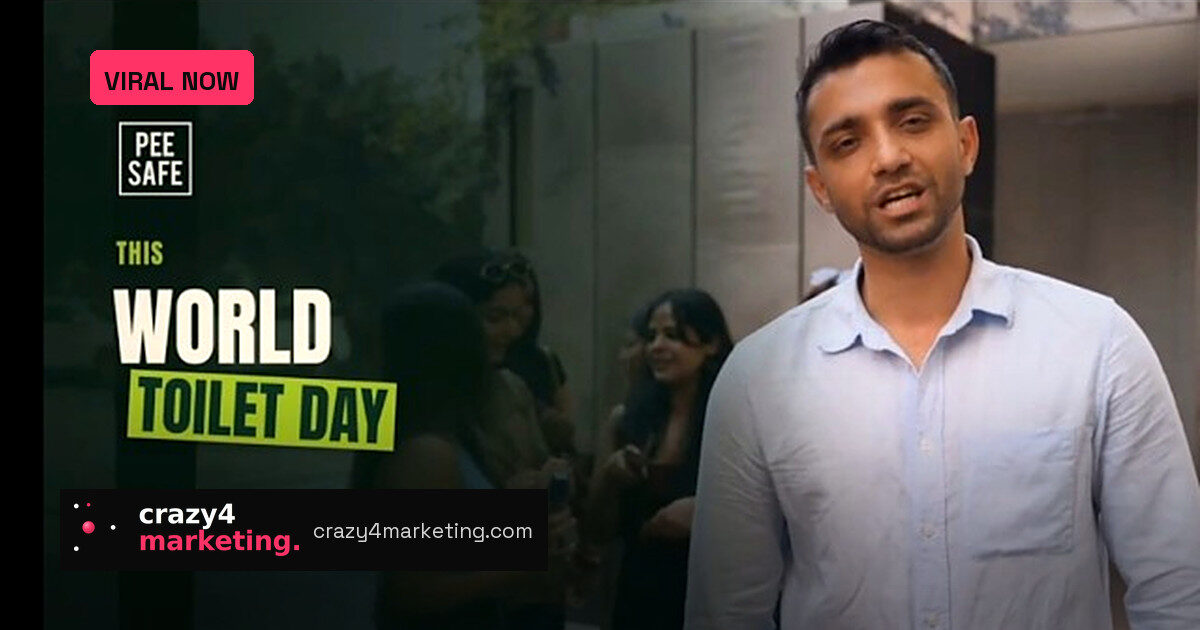
Recognition does the first three seconds of work. Major Rishabh Singh Sambyal (Retd.) steps into the kind of shared restroom that needs no explanation, and the film immediately makes the invisible visible: germs live on the seat you are about to use. It does not open with the sanitizer. It opens with the universal hesitation.
That is the hook, an everyday public-toilet moment reframed as a problem worth solving. Pee Safe gets to be the answer, but only after the discomfort has landed.
The structure of the film
The film is built around one behaviour, not a product demo. It presents the public restroom as the setting, names the germ problem, and positions Sambyal as the credible voice who can say the awkward thing plainly.
From there, the argument is simple: shared restrooms are used by everyone, so cleaning the seat before use should be everyone’s habit. The product appears as the tool for that habit, not as the hero. The campaign line, “Hygiene ki aadat sabko honi chahiye”, turns the message from warning into routine.
That structure matters because it sells the repetition of a small action. Pee Safe is not asking for deep behaviour change; it is asking for one squirt, one wipe, one small ritual before sitting.
Why it spread
The share trigger is the shared cringe of public toilets. That is a low-stakes, high-recognition topic almost everyone has an opinion or story about. Sambyal’s background gives the film a straight-faced authority that makes the humour land without the brand having to try too hard.
The creator’s role is the mechanism. Sambyal is not a hygiene expert; he is a straight-talking figure whose authority makes the advice feel like instruction, not judgement. That turns a personal hygiene topic into something people can forward, tag a friend on, or replay for the joke without feeling shamed.
Made as a short online film, the campaign is built for a calendar moment, World Toilet Day, so it arrives with a ready-made conversation. The brand’s ask is clear enough that people can share the message without needing to explain the product.
The numbers
The source does not share view counts, engagement figures, sales lift or media spend. That means the early story is qualitative: a familiar creator with the right tone and a day that already puts hygiene in the news are doing the work. The reliable number here is zero, and that is a reminder to judge the campaign on whether it makes a habit feel normal, not on a platform stat we do not have yet.
Steal this
Three moves for a smaller brand:
- Make the problem the hero, not the product. Name the awkward moment first; introduce the fix only after the tension feels real.
- Anchor a tiny habit to a calendar moment. World Toilet Day gives the campaign a reason to exist right now and a ready-made conversation.
- Cast for credibility, not just reach. A face with authority can say unglamorous things without sounding like a brand lecture.
The smallest version of this playbook: pick one repeatable action, attach it to a date people already notice, and let a trusted voice deliver the instruction.
Watch the original: Pee Safe on YouTube