
Republican California governor candidate Steve Hilton is 22 points down in the RealClearPolitics polling average. On Friday, he dropped an ad that had nothing to do with that math — and everything to do with getting the internet to distribute it for him.
What the ad does
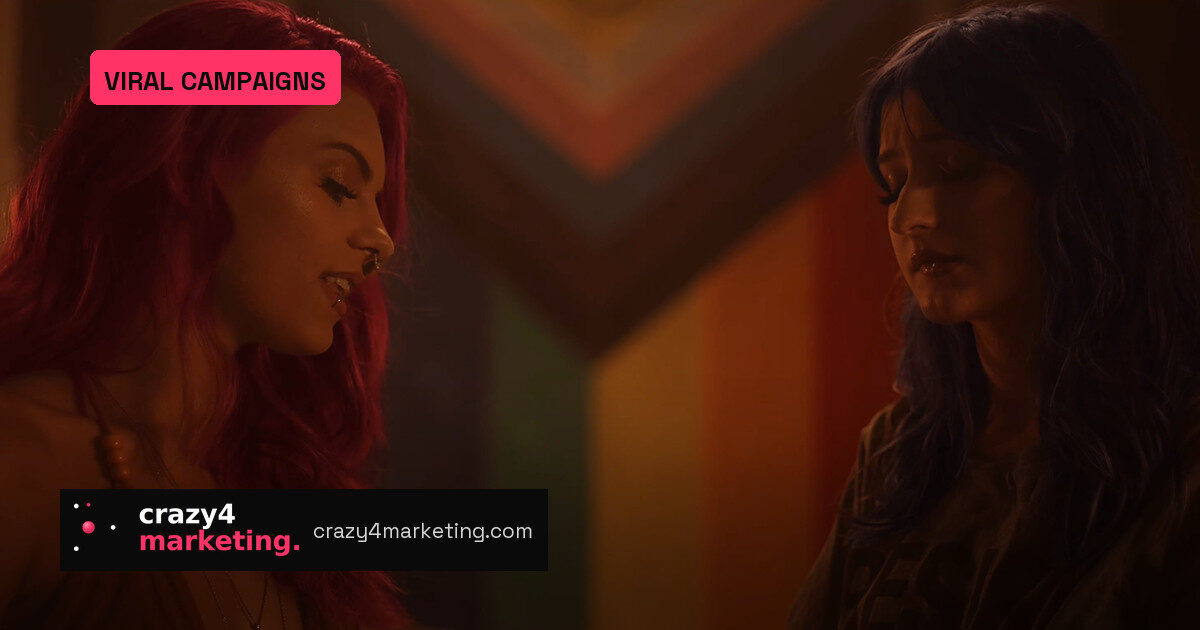
The spot, titled “Just try it, California,” opens like a fan-fiction scene, not a political pitch. Two young women share an intimate, nervous moment. One, with blue hair and a septum piercing, worries aloud about trying something for the first time. The other, with pink hair, tells her to close her eyes and let her do all the work. The reveal: she guides her friend’s hand to a ballot and fills in the bubble for Steve Hilton.
Hilton says the ad was produced by a real director, not AI, though he didn’t name them. He pointed replies toward his Bring Hollywood Home plan, tying the ad’s production quality to a policy platform.
Why it spread
The creative mechanics here are older than the platform. The ad opens a loop that looks like a coming-out story, delays the political ask until the final frames and lets the reveal do the persuading. That gap between what viewers think they are watching and what they actually get is a curiosity gap — one of the most reliable attention tools in marketing.
The reaction split made the reach bigger. Spencer Pratt, whose own AI-driven mayoral ads went viral earlier this year, called it “brilliant.” Fox News anchor John Roberts said the ad “boldly go[es] where no political ad has gone before.” Critics called it “one of the creepiest ads ever made,” and one X user summed up the marketing tension: “Awful political ad. But an absolutely incredible ad for literally anything else. You should go into marketing.”
That division was the engine. People who loved it and people who hated it both had a reason to quote, reply and share.
What to steal (and what to leave)
- Open with a human, emotional setup before you mention the product or ask.
- Delay the reveal until the tension peaks, then land a concrete, unmistakable action.
- Treat quote-reactions and quote-tweets as reach metrics, not just likes.
- Expect backlash when the creative uses shock; decide in advance whether it helps or hurts the ask.
The lesson is structural, not political. Whether the ask is a ballot bubble, a checkout button or an email signup, the same sequence applies: hook with a relatable moment, hold with tension, convert with a reveal that would not work if it opened the ad.
The one thing the numbers don’t change
Virality is a distribution event, not a persuasion guarantee. Hilton still faces a 22-point gap against Democratic candidate Xavier Becerra, and a viral ad doesn’t close that on its own. But in a race that was otherwise not competitive, he bought the one currency campaigns can’t get enough of: attention.
Source: TheWrap