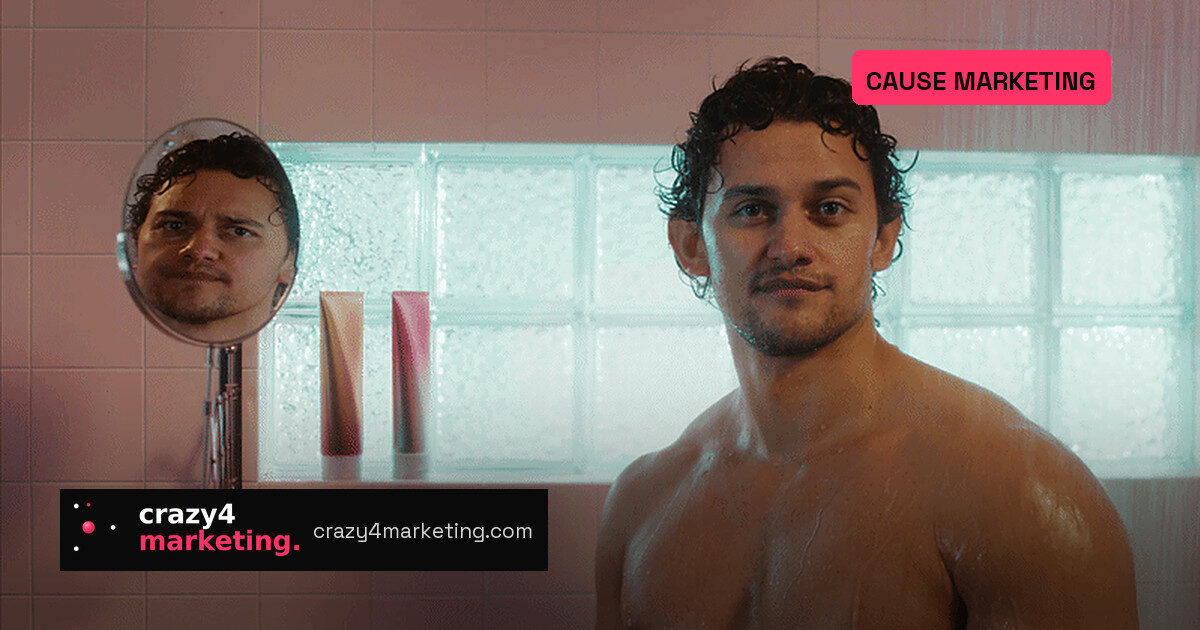
Most breast-check campaigns try to close a knowledge gap. Breast Cancer Foundation NZ found there isn’t one. The harder problem is memory: women already know what to do, but it slips. The answer is a deliberately soapy new film from Special New Zealand and Taika Waititi that turns an existing shower into a life-saving reminder.
The numbers that killed the usual approach
The Foundation surveyed 1,000 women and the pattern was stark. Awareness is not the bottleneck.
- 94% agree regular breast checking is important
- 82% say it is easy to forget
- 37% had checked in the past month
- Almost 7 in 10 said nothing in their routine reminds them
That is a classic intention-action gap. More than half of women who had checked said the shower was where they last did it, so the campaign stopped asking for a new behaviour and started attaching the check to a habit that already happens daily.
A film, a body wash bottle and a three-tier push
Director Taika Waititi joined in-kind because the cause is personal: breast cancer has touched his mother and mother-in-law. The 60-second hero film is slow, steamy and cinematic, with Oscar-nominated production designer Ra Vincent, actor Xavier Garneau-Roughan and Curious Film behind the craft.
Media agency PHD is taking the spot across TV, cinema, BVOD, SVOD, radio and social, supported by OOH and digital. The campaign also goes contextual: gym showers carry the message, and Glow Lab has put breast-check reminders on its entire 900ml body wash range from launch day.
Special’s PR team added a three-tier influencer programme, pulling in ambassadors, earned creators and paid talent to amplify the message well beyond New Zealand.
“Breast cancer has affected many people in my life, including my mother and mother-in-law, so my involvement in this project was never in question.”
The growth marketer’s takeaway
This is habit stacking delivered as creative. You don’t ask people to remember one more thing; you attach your action to something they already do, in the exact place they do it. For D2C and performance teams, that could mean placing a reorder prompt at the moment the product runs low, or anchoring a subscription to an existing usage routine.
The underlying principle is simple: context beats frequency. A well-placed reminder in the shower, gym or bathroom shelf outperforms another generic banner that competes for attention with everything else. Find the existing ritual, then make your brand the easiest next step.
For campaign planners, the three-part template is: find an existing ritual, don’t interrupt it, and put your prompt in the physical or digital context where the action can happen. That’s how a health message becomes a habit instead of another item on the to-do list.
Source: Campaign Brief