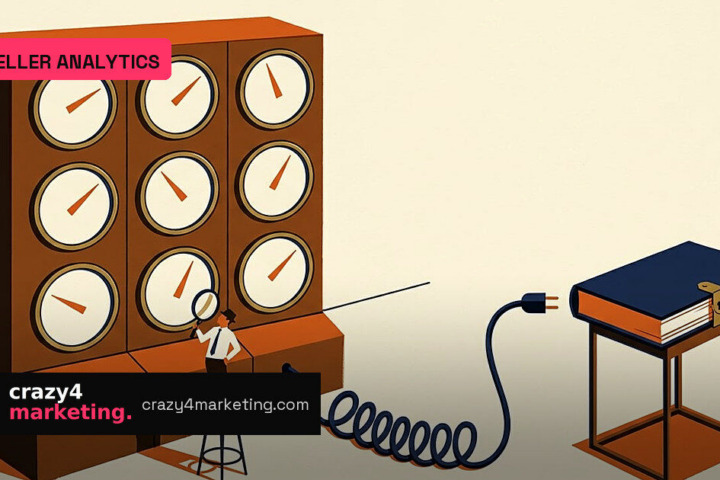
The khata book was never just paper. It was the neighbourhood shop’s CRM, credit record, inventory log, loyalty programme and memory—all held together by a shopkeeper’s recall. For years, that ledger sat at the counter. Then, in 2016, Jio launched with the Welcome Offer: unlimited 4G data, voice, video and apps (Reliance Industries). It reached 100 million subscribers within 170 days of launch (company-reported; Reliance Industries Integrated Annual Report 2016-17). Data stopped being a luxury. The real story was what the counter would do next.
Today, the same store is moving to the cloud. Jio now serves 524 million+ customers (Reliance Jio Infocomm, March 2026; company-reported). But the quiet shift is not about the network. It is about the shop down the road.
From memory to visible pattern
A kirana owner has always known customers by face, family and festival. The digital shift adds something new: frequency, repeat orders, payment patterns and inventory that are visible on a phone. The shopkeeper still trusts the same customer. Now the shopkeeper can also see that the customer buys cooking oil every 21 days.
That changes the business. Instead of guessing what to restock, the owner reads a simple dashboard. Instead of losing credit entries to a torn page, the history sits in a cloud app.
The counter becomes an interface
Customers used to walk in. Now many also message an order, scan a payment code, or get a reminder when a favourite brand is back. The counter is no longer just a physical place. It is a touchpoint that lives on the phone.
For D2C brands and growth teams, this matters. The kirana is not a dark channel anymore. It is a last-mile interface that can signal what sells, what lingers and what repeat buyers want.
- The shopkeeper: orders, payments and inventory in one place, with credit history that stays readable.
- The customer: faster reorders, digital payments and reminders without giving up the familiar relationship.
- The marketer: real buying signals at the last mile, not just distributor reports.
- The market: a more visible neighbourhood economy that still runs on trust.
A cultural shift, not just a technical one
Jio’s ecosystem today spans connectivity, entertainment, commerce, payments, devices, cloud and AI (Reliance Industries 48th AGM, August 2025). Its stated priority to digitise businesses (Reliance Industries 48th AGM, August 2025) puts the corner shop inside that same cloud. This is where the series’ framing question lands: the question India asked moved from “How much does data cost?” to “What can we do with data?”
The khata book did not disappear. It became searchable. And the shopkeeper’s memory, once the only database, now has a backup.
What changes for marketers
For performance marketers, the kirana is a channel with real purchase signals. For D2C founders, cloud-connected stores can show demand before it reaches a warehouse. For every growth team, the creative challenge is simple: make tools for small screens, low data and regional languages, and respect the trust that already exists at the counter.
The lesson is not that neighbourhood shops became tech companies. It is that technology came to the neighbourhood shop—and the best campaigns will meet it there.