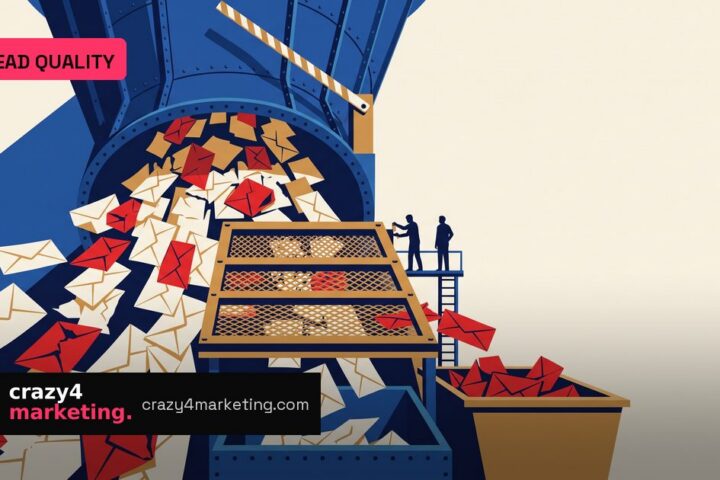


Made-for-advertising (MFA) inventory keeps showing up in programmatic buys despite years of vendor pledges. The tricky part: it isn’t invalid traffic. The visitors are real, the placements are viewable, and the content mostly passes brand safety checks. MFA is a quality problem hiding inside metrics that look clean.
What MFA actually is
MFA describes sites built to sell ad impressions rather than serve readers. Operators buy cheap clicks through social feeds and content recommendation widgets, then pack pages with ads, auto-refreshes and slideshows. The consensus definition came from the ANA, 4A’s, WFA and ISBA on September 26, 2023, with input from Jounce Media and DeepSee.
According to the ANA, MFA sites usually show some combination of these traits:
- An ad-to-content ratio at least twice the internet average, such as 30% or more on desktop
- Rapidly auto-refreshing placements, autoplay video and multi-page slideshows
- A high share of paid traffic with little organic audience
- Generic, syndicated or templated content
- Poorly designed template websites
The arbitrage math
A simplified illustration from PPC Land shows why this scales. If an operator pays five cents for a click and a 20-page slideshow generates 48 impressions at a $1.50 CPM, the visit earns 7.2 cents, leaving a 2.2-cent margin. Across 100,000 bought visits a day, that’s roughly $2,200. When CPMs dip below traffic costs, the model falls apart—which is why MFA supply swells when budgets peak.
Operators also hide the pattern. Jounce Media found many MFA sites remove ads for direct visitors but flood the page for social, search or recommendation traffic. Generative AI has lowered production costs: DoubleVerify’s Fraud Lab traced a 200-domain network called AutoBait producing clickbait articles for about $2.25 each.
Why marketers should care
Chris Kane, founder of Jounce Media, put it bluntly: “MFA publishers siphon ad spend that media buyers would otherwise deploy to reputable publishers.” The ANA’s 2023 study found MFA sites took 21% of impressions and 15% of spend across 21 members, $123 million and 35.5 billion impressions. DoubleVerify measured 19% year-on-year growth in MFA impression volume in 2023, with attention 7% lower for display and 28% lower for video than quality inventory.
Newer data shows the problem shifting, not disappearing. IAS reported mobile web display carried a 2.0% MFA rate in 2025 versus 0.5% on desktop. In July 2026, TAG, the ANA and Fiducia found 88% of AI slop inventory was also classified as MFA, and ANA benchmark exposure rose to 1.1% in Q1 2026—the first meaningful increase after staying between 0.4% and 0.6% through 2025.
What to do about it
MFA classification isn’t in the bid request, so don’t wait for open-market signals. Use pre-bid avoidance segments from DoubleVerify, IAS or Jounce. Favor inclusion lists and curated PMPs, but verify them—TAG TrustNet found an average of 14% of private marketplace spend contained MFA inventory. Layer attention or quality metrics where possible, and watch channel splits: mobile web display is the current hotspot.
For D2C and performance teams, the takeaway is simple. If your programmatic reports look clean but incremental revenue stalls, check where impressions actually landed. MFA inventory can pass viewability and brand safety checks while diverting budget from publishers with real audiences and attention.
Source: PPC Land