
LinkedIn has long been the place where professionals network and share expertise. That may be changing. Internal documents reported by Neil Patel suggest LinkedIn is quietly working on a much broader creator monetization play—one that could turn industry experts into native business builders and give B2B brands a more structured way to tap their audiences.
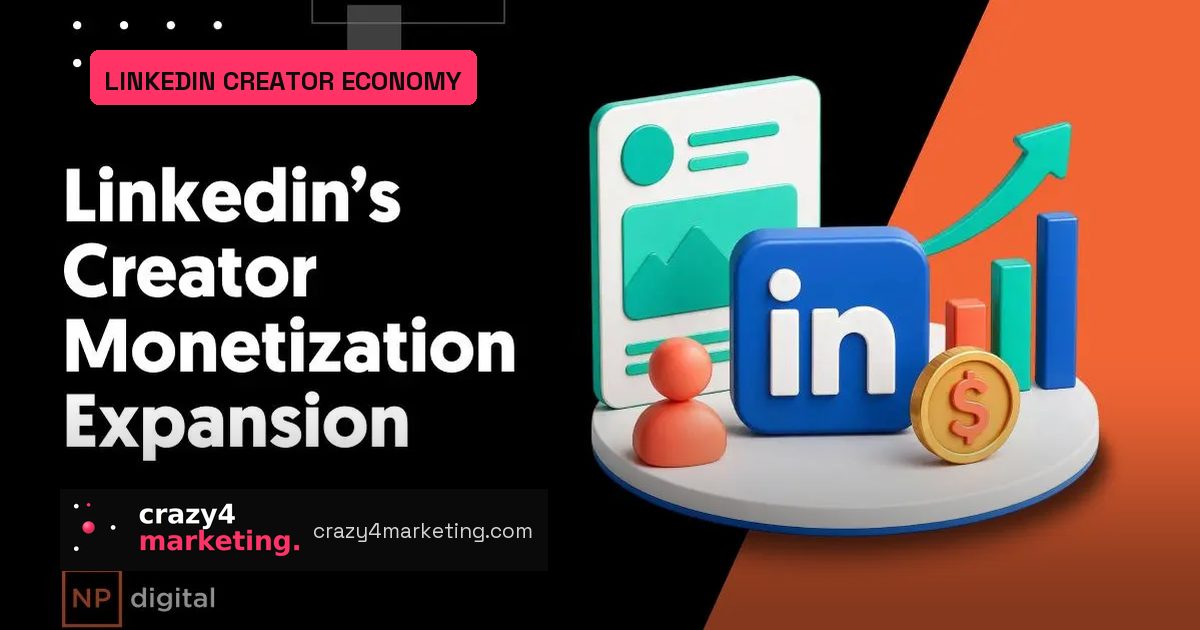
The reported roadmap includes paid subscriptions, a creator fund, a brand partnership marketplace, paid one-on-one experiences, and ticketed events. None of this is officially confirmed, but the direction is clear: LinkedIn wants professional creators to earn directly on the platform, not just use it as a distribution channel.
What the reported creator ecosystem includes
- Paid subscriptions: creators would be able to offer exclusive content, community access, or experiences to paying followers.
- Creator fund: a potential pool of financial support for professionals producing content on LinkedIn.
- Brand marketplace: a matching layer between companies and creators for sponsored partnerships.
- Paid experiences and ticketed events: ways for experts to sell direct access, workshops, or one-on-one sessions.
LinkedIn already has BrandLink and Thought Leader Ads. The new roadmap would expand those into a full creator economy stack.
Why B2B marketers should pay attention
LinkedIn creators often hold the exact asset B2B brands need: niche professional trust. A creator who breaks down financial operations or enterprise SEO may have a smaller following than a lifestyle influencer, but that audience can be far more commercially relevant.
Other platforms already offer versions of these tools. TikTok has a creator marketplace, Instagram has subscriptions, and YouTube has partnership flows inside Google Ads. What is different here is context: LinkedIn is where professional purchase decisions, vendor conversations, and B2B trust already live. A monetization layer could make influencer marketing feel less like borrowing reach and more like activating subject-matter experts.
Native monetization could also encourage more experts to invest in LinkedIn-first content. Instead of republishing material from YouTube or TikTok, creators may start building dedicated formats, conversations, and communities on LinkedIn. That creates more inventory—and more credible voices—for brands to partner with.
How to prepare before the tools launch
You do not need to overhaul your influencer strategy overnight. But you can start mapping the landscape now.
A practical filter is relevance over reach. Look at audience overlap, content depth, and engagement quality before follower counts. A specialist with a smaller, highly targeted following can outperform a generalist with far broader reach.
Also, build relationships before you need them. Comment on posts, invite creators into webinars, share their research, or collaborate on a small project. When a native marketplace opens, you will already have trust and context instead of starting cold.
Finally, think beyond the sponsored post. Ticketed events, educational experiences, and gated expert content could fit different stages of the B2B customer journey—especially for complex or high-consideration purchases.
The takeaway
LinkedIn’s reported creator monetization plans are still a work in progress. But the signal is strong: professional expertise is becoming a native content business, and B2B brands that build creator relationships early will have an advantage when the tools become official.
Source: Neil Patel