

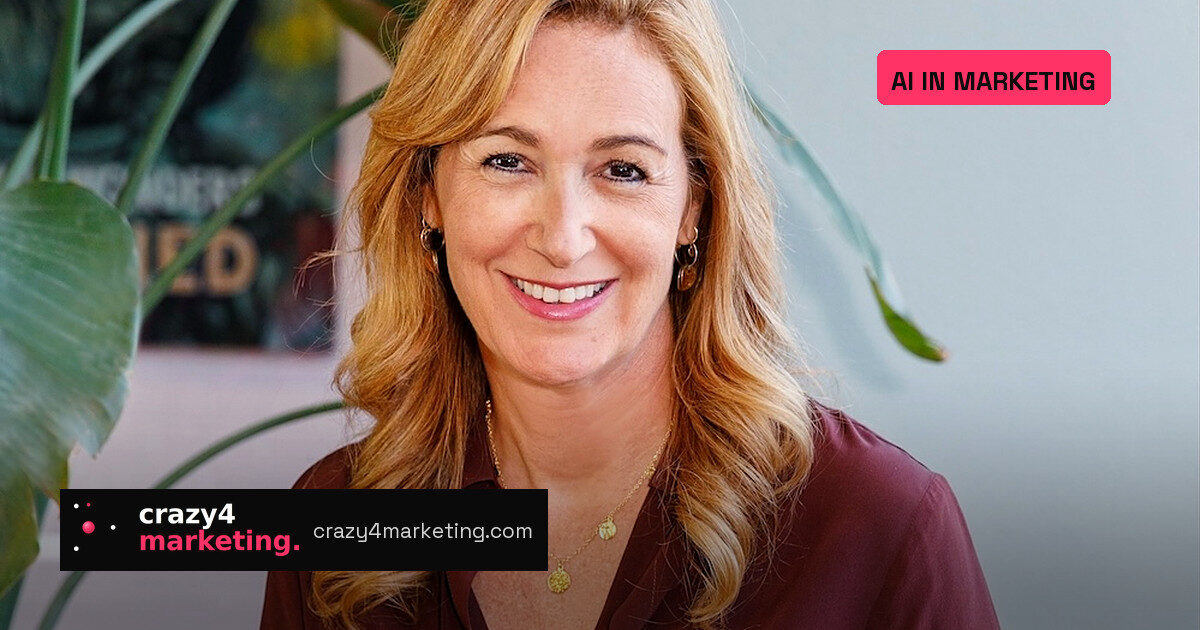
What should have been a one-line internal update landed as a 12-page strategic deck. That’s the cautionary tale from Lahra Carey, principal at Narrative Communications, after a marketer typed “write me a communications brief” into a generative AI tool for a simple fortnight service disruption.
The job was one message: tell frontline staff and a handful of local media that a service would be offline for two weeks. The AI returned a comms strategy, stakeholder engagement plan, risk matrix, change management framework and measurement dashboard. None of it had been requested.
Why the bloat matters
A bloated brief is not a formatting problem. It changes the nature of the engagement before it starts. A consultant receiving a one-page announcement dressed as a strategic transformation project faces two bad options: scope the work down and risk looking dismissive, or scope it up and deliver (and bill for) work the client never needed.
There is a social risk too. AI-generated sections smooth over judgment calls that should sit with a human. A stakeholder risk section written by a model does not know a local reporter has already asked pointed questions, that frontline staff will absorb complaints in person, or that the community is facing its second disruption in a year.
“It’s not wrong, it’s just answering a different question to the one that was actually asked,” Carey writes.
Use AI to cut the brief, not pad it
The fix is not to remove AI from briefs. It is to stop asking the tool to write the brief and start asking it to sharpen yours. Carey offers a four-step sequence:
- Start with the decision, not the prompt. Before opening any tool, write one sentence: what is being announced, to whom, by when.
- Give it the context it doesn’t have. Feed the history, sensitivities, the reporter who has already asked questions, the unmovable date.
- Tell it to cut. Ask for one page and remove anything a consultant wouldn’t need to start tomorrow.
- Ask it to interrogate you. Prompt the model to play consultant and list what is missing, unclear or contradictory.
What this means for marketers
The same bloat shows up in performance and growth briefs. A creative or CRO request arrives with brand pyramids and tone-of-voice guidelines when the team actually needs variants, a hypothesis, sample size and a decision metric. The fix is the same: define done before you draft, then make AI edit down, not expand.
The test is simple. Could a stranger who has never heard of the project start it tomorrow without a clarifying call? If yes, the brief is done. If no, the issue is not the next prompt—it is the decisions you have not made yet. AI can make a tight brief faster, but it cannot decide what matters to you.
Source: Campaign Brief


