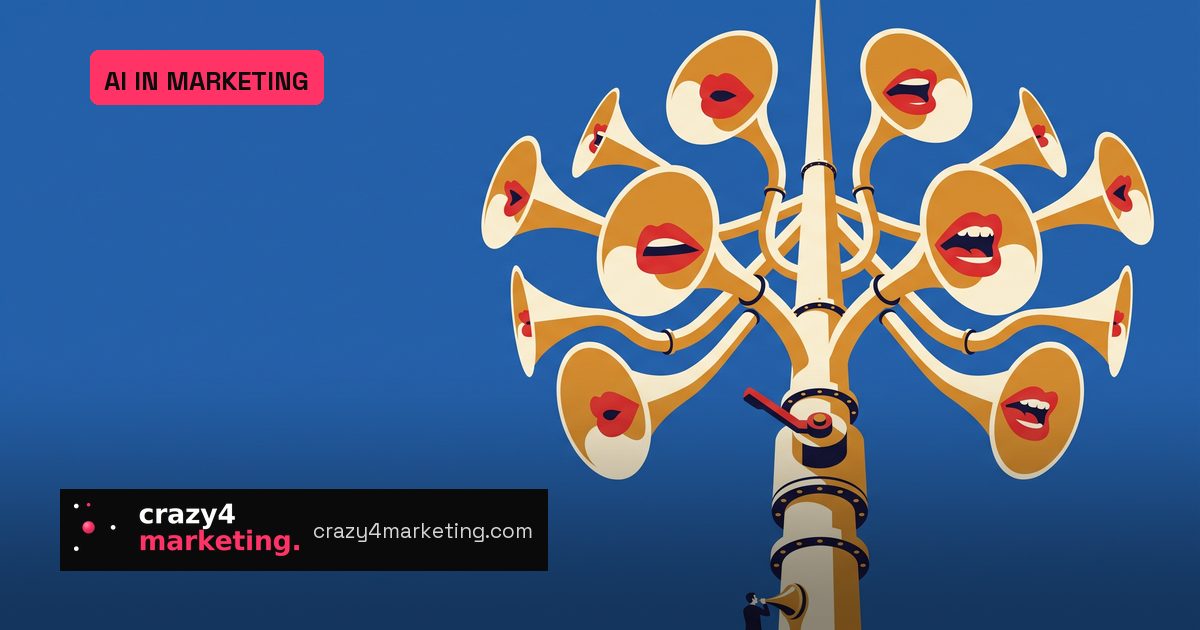
Auto dubbing has moved from research paper to default feature faster than most marketing teams can react. In February 2026, YouTube opened the tool to everyone: eligible videos can now carry machine-translated voice tracks across 27 languages, with Expressive Speech carrying tone and intonation across from the original audio in eight of them.
How the machine builds a new soundtrack
The pipeline is consistent across vendors, following the architecture Amazon researchers described back in January 2020. Recognition produces a transcript. Translation rewrites it to fit the original sentence duration. Synthesis generates speech in the target language. Rendering mixes the new voice with background sound, and an optional fifth stage can alter the speaker’s mouth to match.
- Recognition: identify the source language and transcribe the speech.
- Translation: produce output constrained to roughly match utterance length.
- Synthesis: generate audio timed to each original slot.
- Rendering: mix the dub with background audio, then optionally lip sync.
What YouTube, Meta and Prime Video are shipping
YouTube’s system is switched on by default for eligible creators. Creators can review each track in YouTube Studio, publish or delete individual languages, or disable the feature under advanced settings. Videos longer than 120 minutes, music-only uploads and undetectable speech are excluded. Meta AI translations, by contrast, are opt-in: the dub can use a clone of the creator’s own voice, lip sync is optional, and the system handles up to two speakers who don’t talk over one another. Prime Video has tested a hybrid human-machine pilot on 12 licensed titles and, in September 2026, rolled out AI lip sync on the English dubs of Maxton Hall, its most-watched international Original.
Why this changes your targeting math
YouTube’s internal numbers show scale. More than 6 million viewers a day watched at least 10 minutes of auto-dubbed content in December 2025, and dubbed views averaged 75% of the original language’s average view duration. Earlier, CEO Neal Mohan said more than 40% of watch time on videos with dubbed audio came from viewers selecting a dubbed language.
That makes language an unstable signal. A single upload may now carry audio in a language its publisher never produced, so a placement list assembled by channel language can reach a Hindi-speaking audience hearing a synthetic voice. For media buyers, ‘English-language channel’ no longer describes the actual creative experience.
A practical workflow for marketers
Treat auto dubbing as a distribution lever, not a replacement for localization. Start with your top-performing YouTube videos. Check YouTube Studio for auto-dubbed tracks, review translations for brand names, idioms and jargon, and unpublish any language that misrepresents the creative. On Meta, decide whether a cloned voice fits your brand before opting in; viewers can select ‘Don’t translate’, so the label matters.
For paid creative, the same machinery is arriving. Google began adding AI voice-overs to silent Performance Max videos in March 2026, with an opt-out deadline of March 20. If you did not act, synthetic narration may already be on your clips.
One regulatory note: the EU AI Act’s Article 50 now treats AI-generated audio that resembles existing persons as a deep fake, and machine-readable marking for systems already on the market is due by December 2, 2026. Check where your platforms place the label.
Source: PPC Land