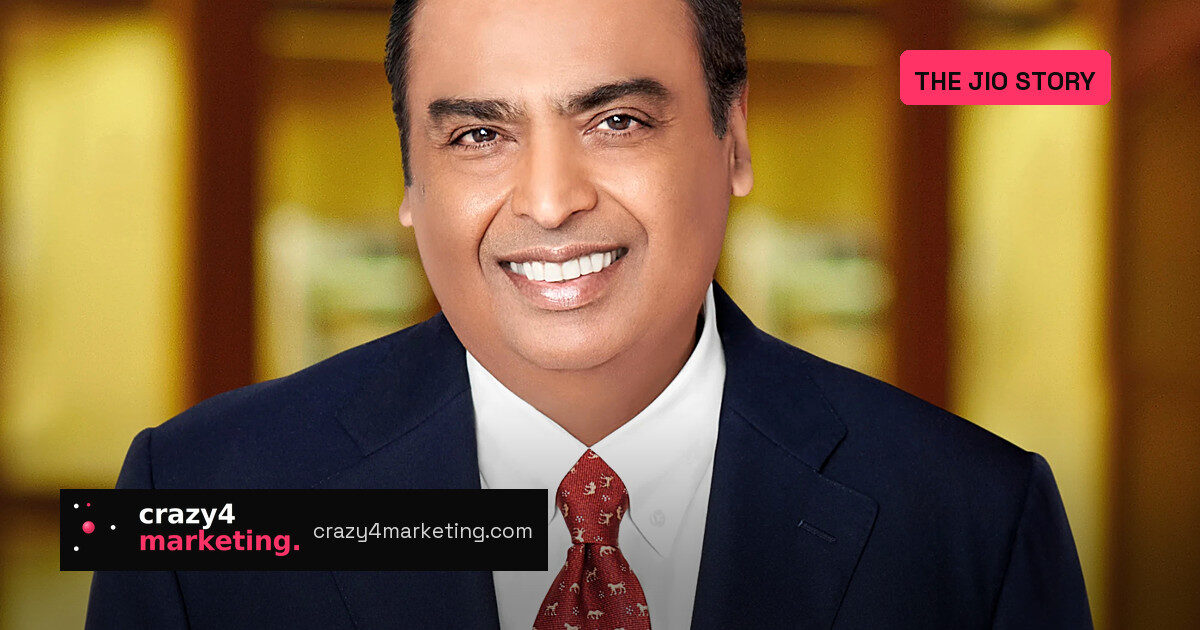
In 2016, Jio launched with the Welcome Offer: unlimited 4G data, voice, video and apps (Reliance Industries). The early memory is about freedom: a video call home without watching the clock, a film on a phone, a shop counter that looked up from the khata.
The next memory is quieter. Mummy asks the nearest screen for a dal recipe: six people, pressure cooker, less oil. She does not care which network carries the answer. She cares that it arrives before the cooker whistles.
The question changed before the technology did
For a decade, the data conversation was about scarcity. How much is left, which app to close, whether the call will hold. Now the useful conversation is about outcomes: a student asking for a physics explanation, a creator finishing a reel, a kirana owner checking what to restock before the evening rush.
The series’ framing line still works: the question India asked moved from ‘How much does data cost?’ to ‘What can we do with data?’
What 5G, cloud and AI actually do in plain words
5G is why the answer returns while the pressure cooker is still hissing. Cloud is why the query is not trapped on one device. AI is why the response knows the difference between a dal recipe and a Sunday lunch plan.
Jio’s stated priorities include connecting every Indian, bringing digital services home, digitising businesses, and ‘AI Everywhere for Everyone’ (Reliance Industries 48th AGM, August 2025). In everyday terms, that is not a dashboard of tools. It is a question asked in Hindi, Hinglish or a regional language, answered in the same voice.
Jio’s ecosystem today spans connectivity, entertainment, commerce, payments, devices, cloud and AI (Reliance Industries 48th AGM, August 2025). For the user, that breadth shows up as one account, one payment, one app, one answer.
The scale behind the habit is real. Jio reached 100 million subscribers within 170 days of launch (company-reported; Reliance Industries Integrated Annual Report 2016-17). It now serves 524 million+ customers (Reliance Jio Infocomm, March 2026; company-reported). The next chapter is less about adding another zero and more about making the layer feel obvious.
The marketing shift underneath the kitchen query
For growth teams, the brief is changing. People are not adopting infrastructure. They are adopting easier daily routines. A campaign that explains 5G speeds is less likely to stick than a story that shows an answer arriving before the pressure cooker whistles.
The same pattern is visible with creators. The more the tooling hides the complexity, the more time goes into the idea rather than the upload. A marketer watching this should see a brief that rewards simplicity: what does the user get in the next ten seconds?
- Speak in tasks, not specs: a recipe, a ticket, a restock order.
- Design for the first use case, not the dashboard.
- Treat language as the interface, especially when the user is not a tech buyer.
- Find retention in daily repetition: the same query, asked again, with better context.
What spreads is not the technology. It is the moment someone asks a simple question and gets a useful answer without thinking about the infrastructure. Mummy’s dal is not a metaphor for the future. It is the future’s most relatable use case.