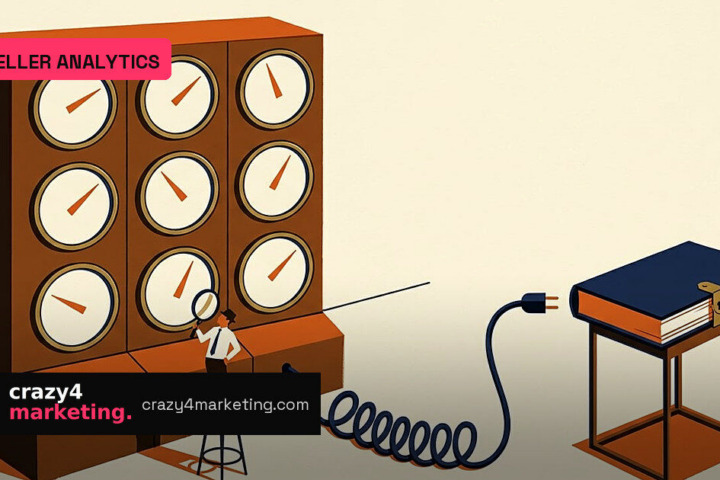
The khata book was never just a ledger. At a neighbourhood kirana, it held the shop’s memory: who buys what, who pays later, whose child likes a particular biscuit. When that memory moves to the cloud, the shop does not lose its warmth. It gains a search bar.
The khata never scaled, but the cloud can
Paper remembers, but it cannot answer questions quickly. A cloud app can. The change starts with connectivity. In 2016 Jio launched with the Welcome Offer: unlimited 4G data, voice, video and apps (Reliance Industries). It reached 100 million subscribers within 170 days of launch (company-reported; Reliance Industries Integrated Annual Report 2016-17). For a kirana owner, the same phone that took orders became the route to a back office.
Today Jio serves 524 million+ customers (Reliance Jio Infocomm, March 2026; company-reported), and its ecosystem spans connectivity, entertainment, commerce, payments, devices, cloud and AI (Reliance Industries 48th AGM, August 2025). The stated priorities include digitising businesses and ‘AI Everywhere for Everyone’ (Reliance Industries 48th AGM, August 2025). Small shops sit exactly where these layers meet: hyperlocal, frequent, trust-based.
What changes behind the counter
- Repeat purchase patterns become visible. The shop sees demand before it walks in.
- Credit and orders stop living in separate places. WhatsApp requests, phone calls and paper entries can meet in one view.
- The counter learns without asking. Past purchases become a searchable memory the shopkeeper can use between customers.
The shopkeeper still decides what to keep on the shelf and whom to trust. The cloud just shortens the time between remembering and acting.
What changes for the customer
Most customers will not notice the cloud. They will notice that the shop already knows their usual brand, their usual quantity, and whether they prefer to pay later. That feels like service, not surveillance, because the relationship existed long before the software. The question India asked moved from ‘How much does data cost?’ to ‘What can we do with data?’ The kirana answers it daily, with small gestures of recognition.
What stays human
No dashboard replaces the shopkeeper’s nod, the extended credit, the small bag of free coriander. The cloud earns its place only when it makes those gestures easier, not when it turns them into prompts. In the neighbourhood economy, memory is service. Digitising it should feel like the same shop, just quicker to remember.
The marketing lesson inside the ledger
For growth teams, a digitised kirana is a first-party data play built on frequency and trust. The data is not collected through pop-ups; it is earned through repeated useful service. That is why the cloud layer works. It respects the existing habits of credit, conversation and memory instead of asking the shop to become a different business.
The khata’s next chapter is not a bigger screen or a heavier dashboard. It is an invisible, useful layer that turns daily service into a searchable memory.