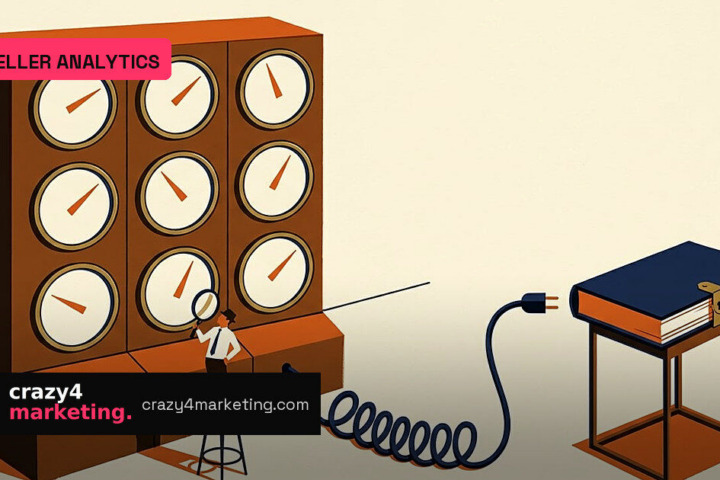
At first the shift is invisible. The same sheets, the same regulars, the same morning unlock. Then the shopkeeper glances at a screen and greets a customer by the order they placed last month.
This is kirana to cloud: the small shop’s second memory. It did not start with a software pitch. It started when data stopped being scarce.
The welcome offer changed the counter
In 2016, Jio launched with the Welcome Offer: unlimited 4G data, voice, video and apps, as Reliance Industries described it. Company-reported, Jio reached 100 million subscribers within 170 days of launch.
That speed mattered. A shopkeeper could watch a supplier video, run a payment and check a demand chart without rethinking the cost of every megabyte. The counter became a place where digital tools could live.
What the cloud remembers
A digital khata is not a neater book. It turns daily transactions into a searchable record of habits, repeat purchases, slow weeks and trusted buyers.
The customer feels the change as convenience: faster billing, a reminder when their usual item is back, maybe a more personal suggestion. The shop feels it as memory.
- Billing moves from paper to a live record that the shop can revisit.
- Customer history becomes a service, not just a spreadsheet.
- Local demand becomes visible enough to plan around, not guess.
The arc is now at the shop
Reliance Jio Infocomm reported it serves 524 million+ customers as of March 2026. Reliance Industries’ 48th AGM in August 2025 described an ecosystem spanning connectivity, entertainment, commerce, payments, devices, cloud and AI, with a stated priority to digitise businesses and pursue ‘AI Everywhere for Everyone’.
That matters for marketing because the corner shop is no longer just the last mile of distribution. It is a hyperlocal layer: first-party knowledge, daily reach and a trusted voice in the same place.
The takeaway for growth teams
The question India asked moved from ‘How much does data cost?’ to ‘What can we do with data?’ A kirana owner now lives that question every morning.
For builders and marketers, the brief is to design for the relationship, not for the screen. If the cloud helps the shop remember, the shop will bring the customer back.