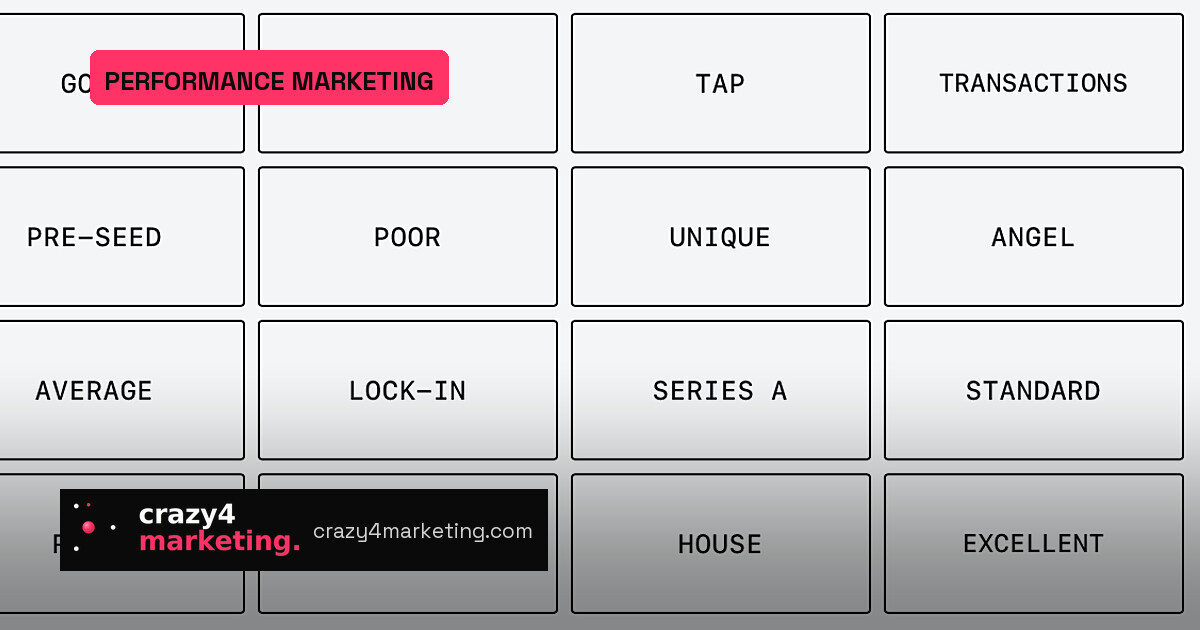
PPC Land has published more than 10,000 articles since Luís Rijo founded the reader-funded daily in 2016. Its latest feature is not another auction change explainer. It is a game: readers are asked to follow the budget and find who really runs the account.
The puzzle
The format will feel familiar to fans of daily word grids. There are sixteen terms and four groups of four. The vocabulary is drawn from the world of paid search and performance marketing, and one of the groups is intentionally harder to spot. As PPC Land describes it, the grid contains “one sly group.”
That setup is more than entertainment. A puzzle built around budget signals asks players to sort terms that belong together in real campaigns: who can move spend, who approves it, who gets billed, and who owns the pause button.
Why this is an audit drill
In performance marketing, account ownership is a budget question before it is a title question. A junior media buyer can adjust bids all day, but if a finance director must approve any spend above a threshold, the finance director holds the brake. If a parent brand pays the agency invoice, the parent brand sets the planning rhythm. If a founder watches the credit card alerts, the founder is still in the loop no matter what the org chart says.
That is why the game is useful. Marketers who play it are practicing the same pattern recognition they need in an account audit: tracing who asks for data, who signs off increases, and whose budget line actually moves.
What to copy from the play
For D2C founders and agency leads, there is a second lesson. PPC Land is reader-funded and accepts no sponsored coverage, so it can invest in low-stakes experiences that build daily habit. You do not need a big platform to run the same play.
- Pick 16 terms your best customers already argue about.
- Create four groups of four, and make one group deliberately tricky.
- Publish on a fixed day so it becomes a ritual.
- Use the answers to teach one audit concept each week.
Start with a simple image or Google Form. The value is not the technology; it is the daily reason to return.
The underlying idea is old and reliable: if you train your audience to think sharper, they will associate that sharpness with your brand.
Source: PPC Land