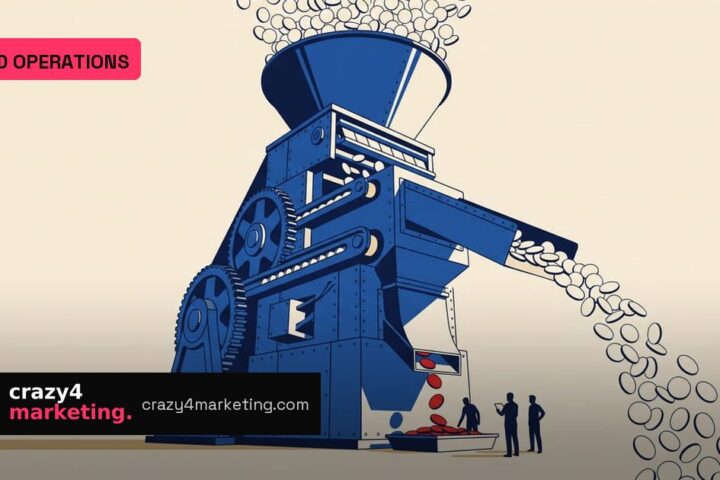

Most programmatic marketers still treat an impression as a single auction. In reality, every ad slot can travel through multiple intermediary chains, and the route your DSP takes determines how much money survives, how fast the bid arrives and whether your audience signal is still intact.
What a supply path really is
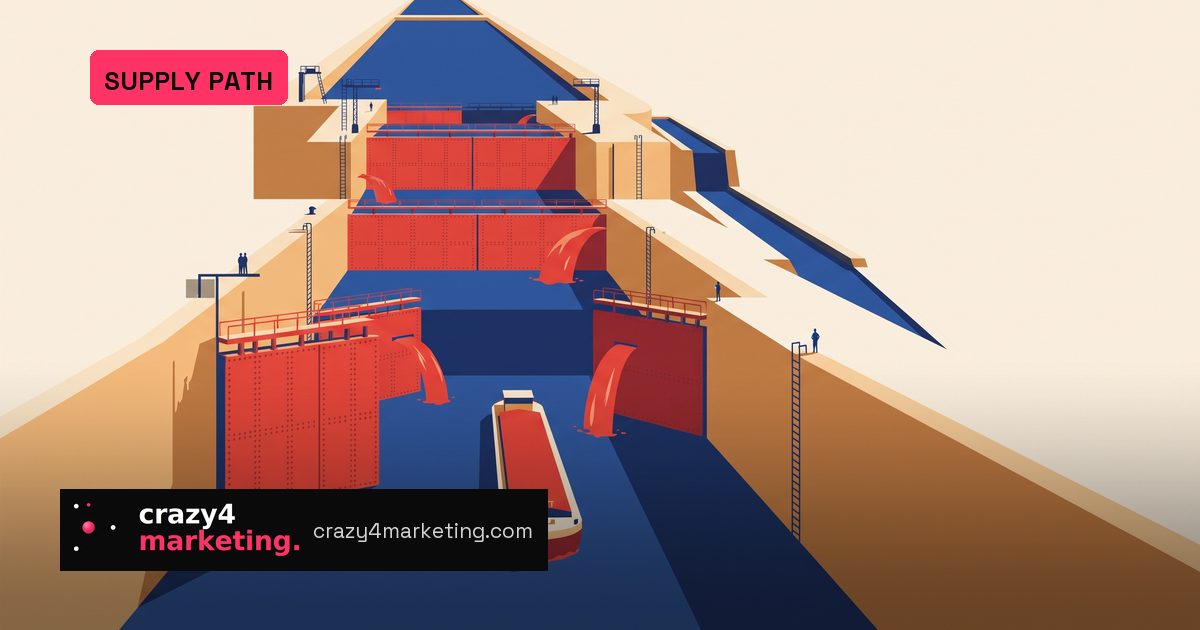
A supply path is the route one advertising impression travels from a publisher to your bidding platform. Every company between those two points adds a fee, a little latency and often a loss of identifier match rate.
Three open standards describe that route. ads.txt lists who is allowed to sell a publisher’s inventory, with sellers marked DIRECT or RESELLER. sellers.json runs in the opposite direction, showing which sellers an advertising system represents. The OpenRTB SupplyChain object records the actual nodes a bid request passed through, including whether each node touched the payment flow.
Why the path matters more than the CPM
Two bid requests for the same slot can produce very different business outcomes. IAB Spain’s first SSP guide, published in April 2026, put direct SSP connections at 70% to 80% of advertiser money reaching publishers, while indirect paths delivered only 40% to 50%. Equativ’s research showed cross-platform match rate losses of 40% to 70%, meaning each extra node can quietly erode addressability.
Duplication is not rare. A DataBeat report from June 2026 found 46% of publisher domains reachable through top-tier SSPs could also be reached by a second route, with an average of 1.31 intermediaries per domain. In other words, a clean direct deal is often competing against a resold version of itself.
What changes the route economics
- Fee drag: every intermediary takes a cut, shrinking working media. Industry studies place working media between 36% and 41% of programmatic spend.
- Signal loss: each platform hop can compound identifier sync losses, reducing match rates before you ever optimize creative.
- Path access has a price: The Trade Desk’s OpenPath direct route charges publishers a flat 4.5% fee. Viant later launched a no-cost publisher portal, showing the market is still testing how shorter paths should be priced.
- Verification gap: ads.txt, sellers.json and SupplyChain are self-declared. They describe who says they may sell, not cryptographic proof.
What to do this quarter
Treat supply path optimization as a discipline, not a one-time cleanup. Start by pulling log-level data and comparing the same impression across paths. Look for duplicate sellers, reseller-only routes and platforms that appear as both direct and reseller.
Then prune ruthlessly. A useful rule of thumb: prefer the shortest payment chain that still delivers reach and match rate. Test direct publisher or exchange integrations where available, and watch whether your quality spend rate moves before assuming the cheapest CPM is the best deal.
The path is not the same as supply chain or traffic shaping. The path is the object; optimization is the activity. Master the route, and you stop buying impressions while paying for an invisible chain of intermediaries.
Source: PPC Land