

Davang Shah, vice president of marketing at LinkedIn, argues that clean formatting is no longer a competitive edge in AI search. In a September 29, 2026 post on the LinkedIn Marketing Blog, he calls structure "table stakes" and says large language models cite sources that offer a perspective AI cannot synthesize from generic public content.
The post highlights two citation-worthy formats: being first with a specific, verifiable claim, and publishing an industry point of view backed by data. Shah points to Atlassian’s Claude Code integration announcement as an example of naming a capability before anyone else.
From ranking pages to aggregating answers
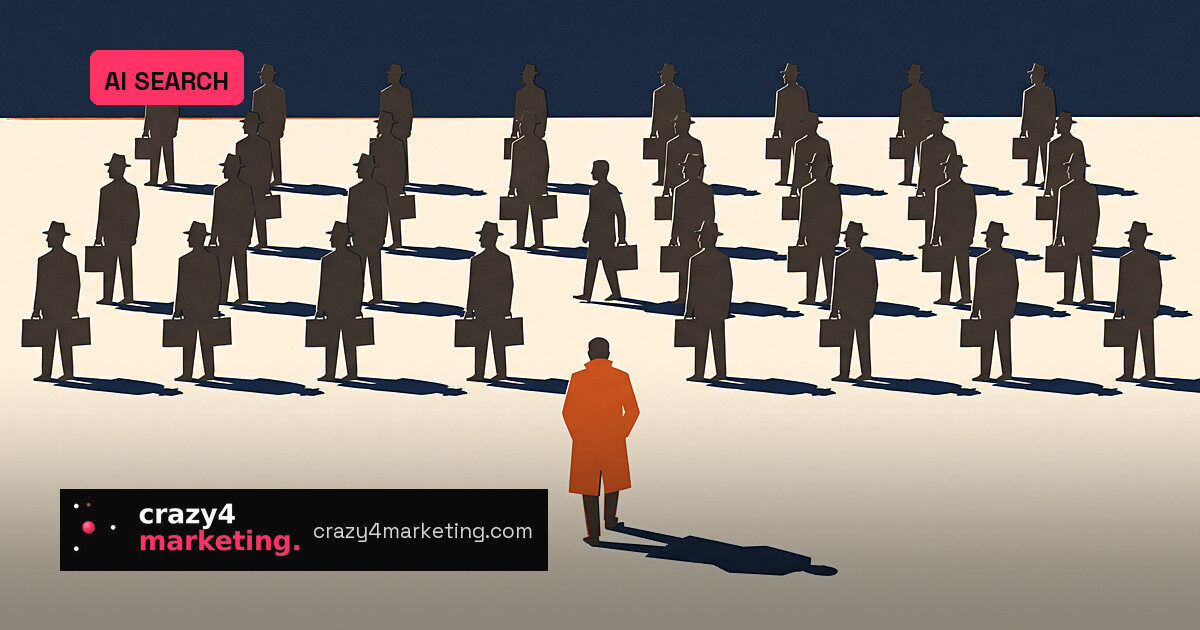
Shah’s core distinction is that traditional search engines rank one page per query, while LLMs aggregate many sources and synthesize an answer. That shifts the goal from owning position one to being named inside the answer. The post argues models "cite the outliers," such as new data, contrarian frameworks and real-world experience, instead of content that recycles what is already public.
But there is a tension the post leaves unresolved. It says a single piece with a strong point of view is not enough on its own; models build confidence when multiple credible sources reinforce the same idea. A claim must be both distinctive enough to trace to one source and repeated widely enough to look like consensus.
The sourcing needs a harder look
The argument leans on statistics from Meltwater, Semrush, Forrester, Ipsos and Edelman. Forrester is cited for the striking figure that 94% of buyers use AI during the buying process, though no report is named. LinkedIn’s own research with Edelman found 86% of decision-makers say strong thought leadership makes them more receptive to vendor outreach.
PPC Land’s review found gaps. A Meltwater figure that 93% of the top 24 most-cited LinkedIn articles use H2 or H3 headings does not map cleanly to any whole number of 24 articles. A Semrush reference to 300,000 citations also differs from PPC Land’s earlier coverage of a Semrush study covering 89,000 LinkedIn URLs and 325,000 prompts. Readers should treat the post as a platform’s informed view, not independent research.
The commercial context matters too. The post closes by promoting a gated LinkedIn guide and repeatedly points to LinkedIn as the place to publish for AI visibility.
Why this matters now
Organic clicks are under pressure as AI answers absorb search traffic. PPC Land notes that an Agentcy and Resonance study found 81% of B2B marketing leaders call AI visibility a blind spot, and only 10% can tie AI touchpoints to revenue. That measurement gap is the weak point in any citation playbook.
Still, the framework is practical. Shah suggests defining your ideal customer profile for AI search, mapping your strengths to the questions buyers ask AI tools, mining internal material such as sales calls and failed campaigns, then structuring and repeating the point of view across blog, social, executive voices and customer proof points.
- Turn first-party data or a lost campaign into a contrarian, repeatable claim.
- Distribute the same perspective across company and employee accounts, not one isolated post.
- Track citations, share of voice and sentiment, not just rankings and clicks.
Our take
Formatting is the entry fee, and a point of view nobody else could write is what earns the citation. That is a strong hypothesis, but the evidence in the post is thin on method. Before buying the playbook, test whether your own POV-led content actually changes how often AI tools cite your brand.
Source: PPC Land


