A Texas Senate spot meant to make Ken Paxton look like a protector has turned him into a punchline. The issue is not the candidate’s record or the media buy—it’s a single line that reads the wrong way.
The hook
The first three seconds set up a missing child poster and a direct claim: “Missing child posters go up, Ken Paxton takes them down.” The intended read is that Paxton closes cases and families remove the poster because the child is safe.
The actual read is darker. Without a payoff showing a found child, “takes them down” lands as removal, not resolution. The hook asks viewers to trust the candidate, but the line already suggests the opposite.
The structure of the film
The source doesn’t reveal a full narrative arc—no setup, turn, and resolution. The spot appears built around one claim and one visual: a missing child poster being removed. That is the structural problem. The ad skips the most important beat: the outcome.
In creative terms, it stops at the action and forgets the transformation. A stronger version would show the closed case, the safe child, or the family taking the poster down. Instead, Paxton is left holding the removal.
Why it spread
Share triggers are simple: incongruity plus a quotable line. A serious child-safety message sounds like a confession. Viewers didn’t just dislike it; they pressed share to call it the worst political ad of 2026.
- It works as a caption: the line is self-contained and doesn’t need the full ad.
- It invites a reaction: “Genuinely what were they thinking” became the default second line.
- It has a villain read: viewers can reply with their own edits or simply repost the mismatch.
That is the spread loop: see the clip, quote the line, add disbelief, pass it on.
The numbers
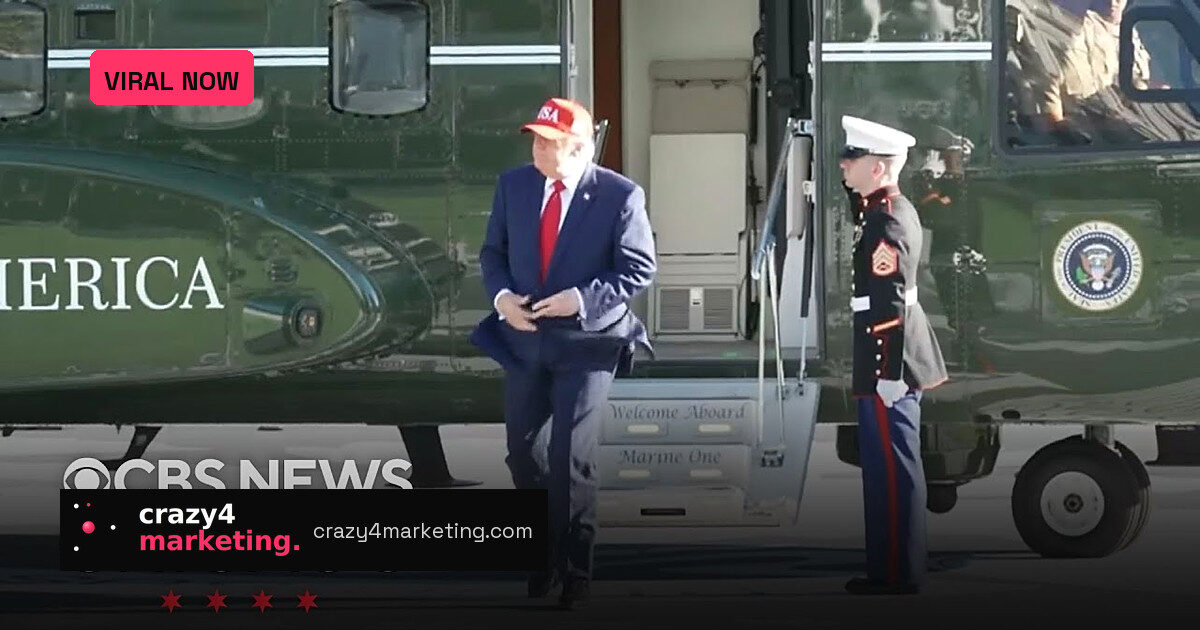
No view count or polling figure accompanies the source. The one number it gives is strategic: Trump has already visited Texas three times in one month to campaign for Paxton. That context makes the ad’s fumble more expensive—a heavily resourced race undercut by a line that should have been caught in review.
Steal this
Smaller brands can take three practical moves from the misfire.
- Run the opposite-reading test. Hand the line to someone with no context and ask what it says. If it can mean the villainous thing, rewrite it.
- Finish the action with the outcome. Don’t leave “takes them down” without “because the child is safe.” Show the transformation in the same beat.
- Treat every line as a future caption. If the phrase fits neatly into a six-word meme, it will. Cut anything that can travel without your context.
The Paxton ad is a reminder that earned reach cuts both ways: the same clarity that makes a message spread can also make a mistake stick.
Watch the original: Texas Republican on YouTube
Source: Indy100