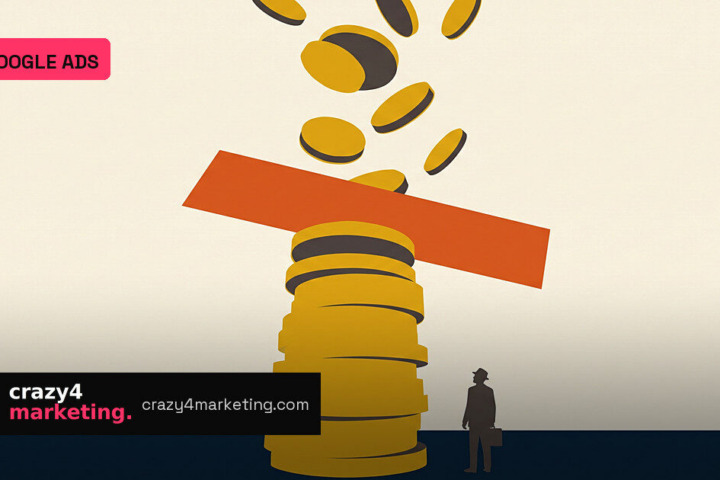

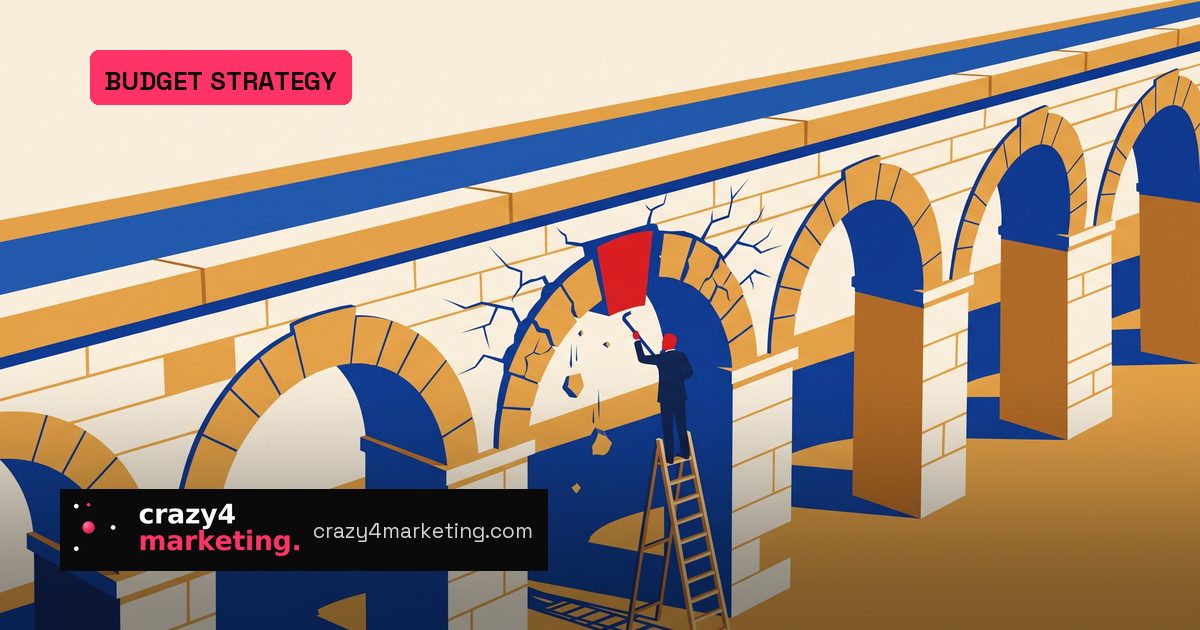
If you have ever watched a marketing budget get cut while the board claims to believe in brand, Ian Whittaker has a diagnosis. The former City equities analyst, now founder of Liberty Sky Advisors, told the Sleeping Barber podcast that marketing loses budget debates because boards read the spend as unquantified risk — not because marketers bring too little evidence.
The real budget problem is risk
In episode 236, titled Data is not the problem, Whittaker argues that measurement has improved for years, yet marketing still struggles once pressure arrives. The issue, he says, is that finance teams decide where to place the next dollar under uncertainty. They are weighing capital allocation, investor priorities and personal incentives — not simply asking whether a channel performed.
Whittaker put it bluntly: marketers may know the vocabulary of finance without its grammar. A board that hears only reach and measurement has already tuned out.
What investors actually say
The episode draws on the IPA and Brand Finance investor survey Whittaker analyzed, covering roughly 200 analysts and investors in the US and UK.
- 79% rank brand as the top factor when judging whether a company is well positioned.
- 52% say a reduction in marketing spend is a positive measure.
- Only 36% believe marketing cuts cause long-term damage.
- 89% say marketing spend should be capitalised.
Whittaker says the results are not contradictory. Investors value brand as a state they can see in pricing power, retention and stable margins. What they cannot see is how a specific company’s marketing spend builds that state. That makes cutting marketing rational in the short term: the saving hits the profit line immediately, while the damage is deferred.
Why ROI can backfire
He is especially critical of return on investment as the default defense. ROI can rise in two ways: a bigger outcome or a smaller spend. Cutting the budget therefore flatters the ratio. That makes ROI an efficiency measure, not an effectiveness one. Whittaker also argues the metric favours large platforms by dragging the industry onto the battlefield of short-term results.
Accounting makes the problem structural. Under IAS 38, internally generated brand cannot sit on the balance sheet. Marketing is expensed, so cutting it is “the easiest line to cut,” Whittaker said, because it drops straight through to profit.
Reframe the budget like finance does
Whittaker’s advice is to stop presenting marketing as an addition problem and start describing the risk of underinvestment. He suggests discounted cash flow and net present value, the same tools used for physical investments. He says finance directors care less about the final number than whether the inputs were stress-tested and credible.
Whittaker points to Unilever in 2022 as a counterexample: the company raised prices 11%, absorbed a 2% volume decline and still added €500 million in marketing because it judged the spend necessary. BCG research has framed the cost side too: winning back lost share can cost $1.85 for every $1 saved through cuts.
He also wants marketers to split budgets into maintenance and growth, the way companies treat factories. “Marketing is intangible capex,” he said. Companies buy insurance and source from multiple suppliers without demanding a return calculation; brand spending should be framed the same way.
For teams heading into budget season, the practical shift is simple: lead with the cost of not investing, show marketing as a long-term asset, and make the process credible enough for a CFO to defend.
Source: PPC Land