
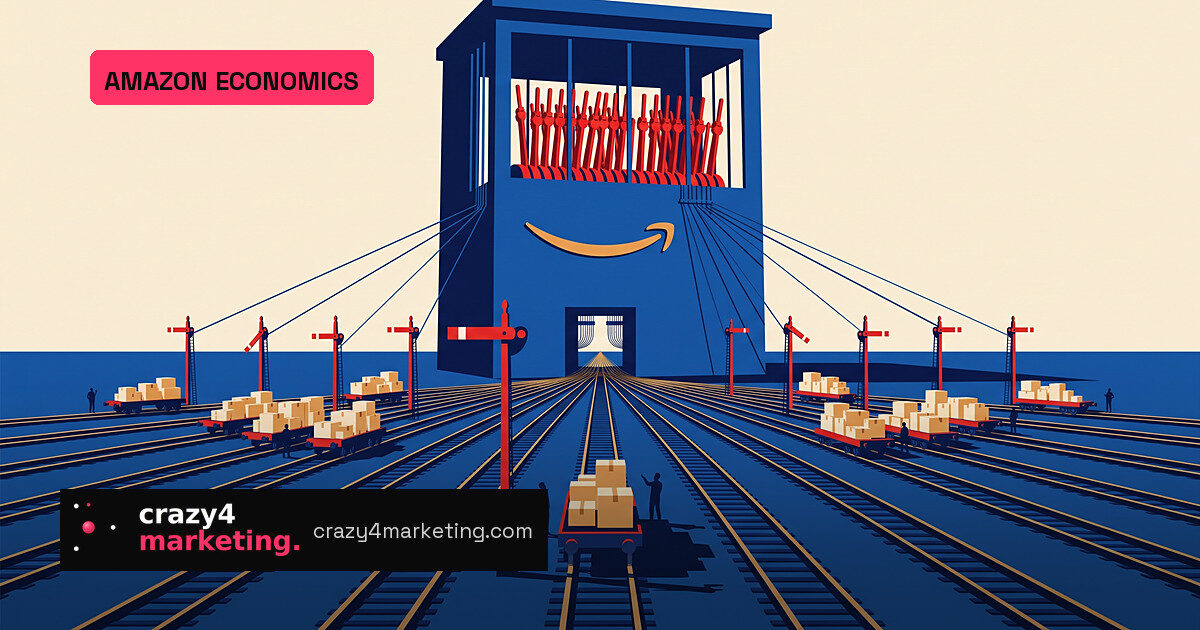
Amazon’s Seller Central looks like a merchant console. It is actually the command center for a huge slice of e-commerce: independent sellers supplied 61% of Amazon’s paid units in Q2 2026. For marketers, that makes it the place where retail media budgets begin.
The fee stack is a margin story
Sellers choose between the Individual plan at $0.99 per item and the Professional plan at $39.99 a month, a break-even of roughly 40 units. On top sit referral fees that hit 15% in most US categories, plus fulfilment, closing fees and advertising. Amazon’s own numbers show seller services revenue reached $46.8 billion in Q2 2026, up 16%, while advertising services added $19.8 billion, up 26%. EcomCrew estimated revenue per third-party unit rose only about 1%, so volume, not price, drove the growth.
The critical shift is that those lines are merging. Some US sellers now have ad costs deducted from retail proceeds, and Amazon’s DD+7 payout schedule means funds clear only seven days after confirmed delivery. Cash flow and acquisition cost are no longer separate conversations.
Where ads and ownership meet
Sponsored Products and Sponsored Brands are bought against listings managed inside Seller Central. Brand Registry, which ties listing control to trademark ownership, also gates access to several ad products. In other words, the console decides who can advertise as a brand and who merely resells.
Amazon is pushing that control further. A Selling Partner plugin, beta in the US from September 23, 2026, lets sellers check inventory, change prices and edit listings from Amazon Quick or Anthropic’s Claude. Mary Beth Westmoreland, Amazon’s vice president of Worldwide Selling Partner Experience, told GeekWire the vision was “that they would never have to log into Seller Central.” A day later, Amazon announced multichannel tools bringing eBay, Shopify, TikTok Shop and Walmart listings inside the same dashboard.
Watch the compliance calendar
Several deadlines deserve a place in every D2C roadmap:
- August 31, 2026: failing merchant-fulfilled offers are switched off individually in the US.
- November 2, 2026: $1 million liability insurance required for US safety categories.
- January 11, 2027: most single-ASIN bundles must use original manufacturer or brand packaging.
Add the regulatory pressure to the mix. Germany’s Bundeskartellamt banned Amazon’s algorithmic price caps and ordered disgorgement of about €59 million. The FTC and 22 states allege an undisclosed soft reserve in sponsored ads pricing; Amazon says inflation-adjusted cost per click stayed flat from 2019 to 2024 while conversions rose more than 24%.
What marketers should do now
Stop managing Amazon as two P&Ls. Pull plan fees, referral fees, fulfilment costs and ad spend into one monthly view. Review DD+7 timing before committing to promos, and test the new multichannel tools with a clear data-governance lens. The brands that win will treat Seller Central as an economic system, not a back-office login.
Source: PPC Land