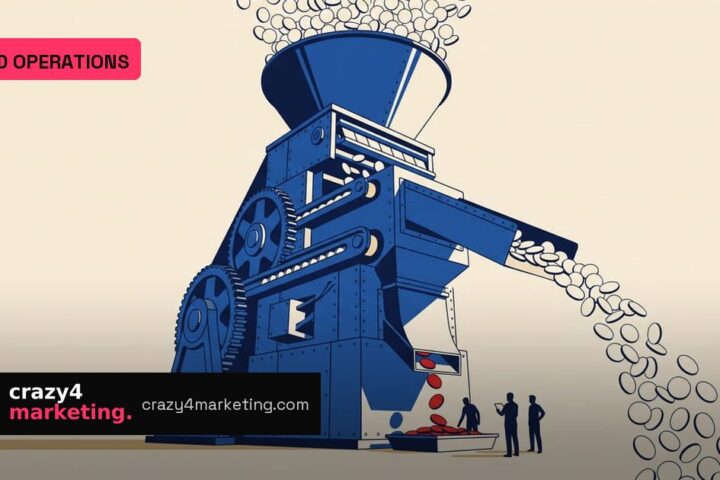

Supply-side platforms are the auction infrastructure of programmatic advertising. They sit between a publisher’s ad space and the demand-side platforms advertisers use to buy it. When a page, app or streaming channel asks for an ad, an SSP packages that impression into a bid request, applies price floors or private marketplace deals, sends it to selected buyers, runs or joins an auction, and returns the winning creative.
From leftover inventory to a decisioning layer
The first sell-side players emerged around 2006–2007 to automate the old ad network waterfall. Real-time bidding turned them into exchanges. Today the role is expanding again: curation applies audience or contextual data upstream, and exchange-based decisioning is moving buying logic inside platforms such as PubMatic’s Decision Fabric and Index Exchange. PMG said on September 10, 2026, that it is moving its buying inside Index Exchange.
A 41% working media problem
The stakes are high because SSPs shape the paths advertiser budgets travel. According to IAB Spain’s SSP guide published April 15, 2026, working media accounts for about 41% of programmatic investment. DSP fees, data costs and SSP costs consume 26.1%. A direct SSP connection can deliver 70% to 80% of an advertiser’s euro to the publisher, while indirect routes deliver 40% to 50%.
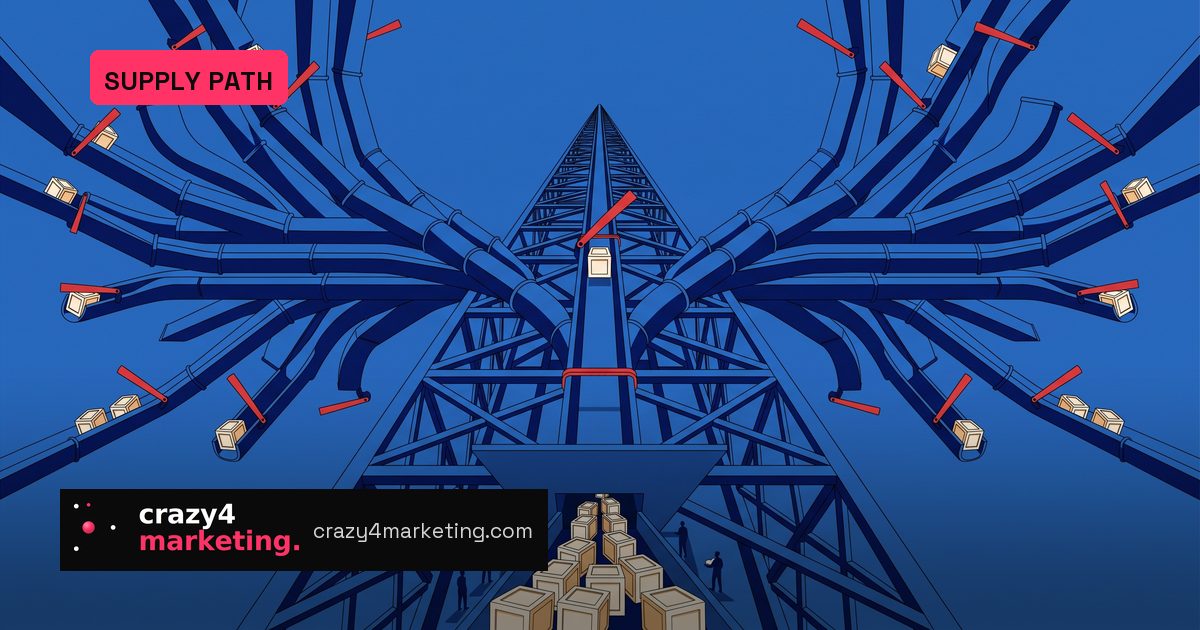
Scale makes it worse. PubMatic processes roughly 2.7 trillion bid requests a day; Jounce Media found the average RTB publisher integrated with 24.5 SSPs as of March 2025. DataBeat’s June 11, 2026 report recorded a 46% duplicated-domain rate among established SSPs, meaning almost half of publisher domains could be reached through more than one path.
What marketers should audit
If you run programmatic, ask your buying team or agency these questions:
- Which SSPs appear in your supply path reports, and how much overlap exists across them?
- Are you buying through direct publisher connections or layered resellers?
- Do your preferred deals have clear deal IDs, floors, and seller declarations that match ads.txt and sellers.json?
- Would curation or exchange-side decisioning reduce data loss and match-rate gaps?
Supply-side disputes are also moving through the market and the courts. Judge Leonie Brinkema found in April 2025 that Google had monopolised publisher ad server and ad exchange markets. On September 2, 2026, she rejected an AdX divestiture and adopted behavioural remedies instead. Meanwhile, Magnite chief executive Michael Barrett said in July 2026 there would be “far fewer” SSPs, and the independent players’ results are diverging: PubMatic reported $78.6 million in second-quarter revenue, up 11%, while Magnite posted $192.8 million with connected television contribution ex-TAC up 36% to $97.1 million.
The takeaway
SSPs are no longer just publisher plumbing. They decide what enters the bidstream, what buyers can see, and what fees apply. For growth and performance teams, supply path optimization is a practical way to recover budget without changing creative, audiences or bids. Start by mapping your routes, removing duplicated paths, and prioritizing direct or curated connections.
Source: PPC Land