The best screen in the room is not the TV. It is the one phone being passed, propped on a water bottle, or held by the person with the strongest signal. On a cricket night, fourteen people can form around that single connection: some watch, some commentate, someone refreshes a score app, and a younger cousin cuts clips for reels before the over ends.
For marketers, these scenes are not just fandom. They are the living distribution layer of Indian pop culture. A match becomes a watch party. A web-series finale becomes a house screening. A wedding song becomes a choreography that travels across floors, terraces and family WhatsApp threads.
Cricket night: the one-phone crowd
Marketers often plan for the solo streamer, but cricket remains a collective event. The one-phone crowd is where second-screen behaviour comes alive: one connection runs the match, another phone runs commentary, a third is recording reactions. The ad breaks are not skipped. They are debated. The meme formats are created in real time.
For a growth team, this is an insight about simultaneous attention. The shared screen does not reduce engagement. It multiplies it, because every viewer is also a live editor, a fact-checker and a comments-section voice.
Three pop-culture rituals on one connection
- Cricket night: one stream, many commentators, clips cut before the next over.
- Finale night: the phone is mounted, the room picks sides, silence is negotiated.
- Wedding season: reels are shot in batches, retakes until the hook lands.
When the finale becomes a house screening
The web-series finale is planned, not accidental. People decide which day they will watch. One person owns the account, another the HDMI cable, another the snacks. The pause is not allowed. The group chat is muted. When the twist lands, the room reacts before the internet does.
This is appointment viewing rebuilt on mobile first. For entertainment marketers, the finale is not just a drop. It is a community event that can be seeded with conversation starters, post-credit reactions and local-language clips.
Wedding season is the reel season
Weddings have always produced performances. The difference now is that the choreography is built for the frame. A song trend shows up at the sangeet within days. The one phone becomes a tripod, a ring light and a teleprompter. The edit is made in the car between functions.
Creators understand this better than brands sometimes: the local cut beats the polished ad. The audience trusts a shaky, well-timed wedding reel because it reads as culture, not as a campaign.
What the huddle teaches marketers
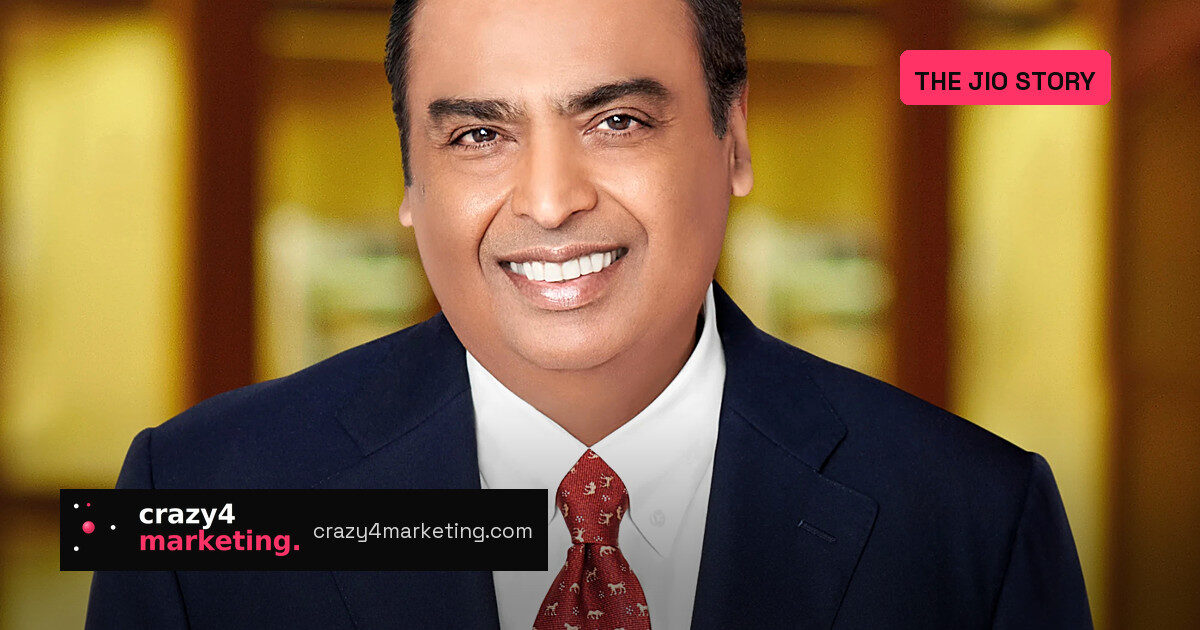
In 2016 Jio launched with the Welcome Offer: unlimited 4G data, voice, video and apps (Reliance Industries). It reached 100 million subscribers within 170 days of launch (company-reported; Reliance Industries Integrated Annual Report 2016-17). Jio serves 524 million+ customers today (Reliance Jio Infocomm, March 2026; company-reported).
Its ecosystem now spans connectivity, entertainment, commerce, payments, devices, cloud and AI (Reliance Industries 48th AGM, August 2025). Its stated priorities include connecting every Indian, bringing digital services home, digitising businesses, and ‘AI Everywhere for Everyone’ (Reliance Industries 48th AGM, August 2025). Underneath that stack, the user behaviour is simple: people gather around what feels live, local and shareable.
The question India asked moved from ‘How much does data cost?’ to ‘What can we do with data?’ For our readers, the takeaway is to design for the huddle, not just the solo user. Make moments that can be watched over a shoulder, reacted to out loud, and cut into a reel by someone in the room.