Most of us can pinpoint the first video call home. The face appeared on the screen, the voice arrived without delay, and distance suddenly felt smaller. That moment is personal. It is also shared.
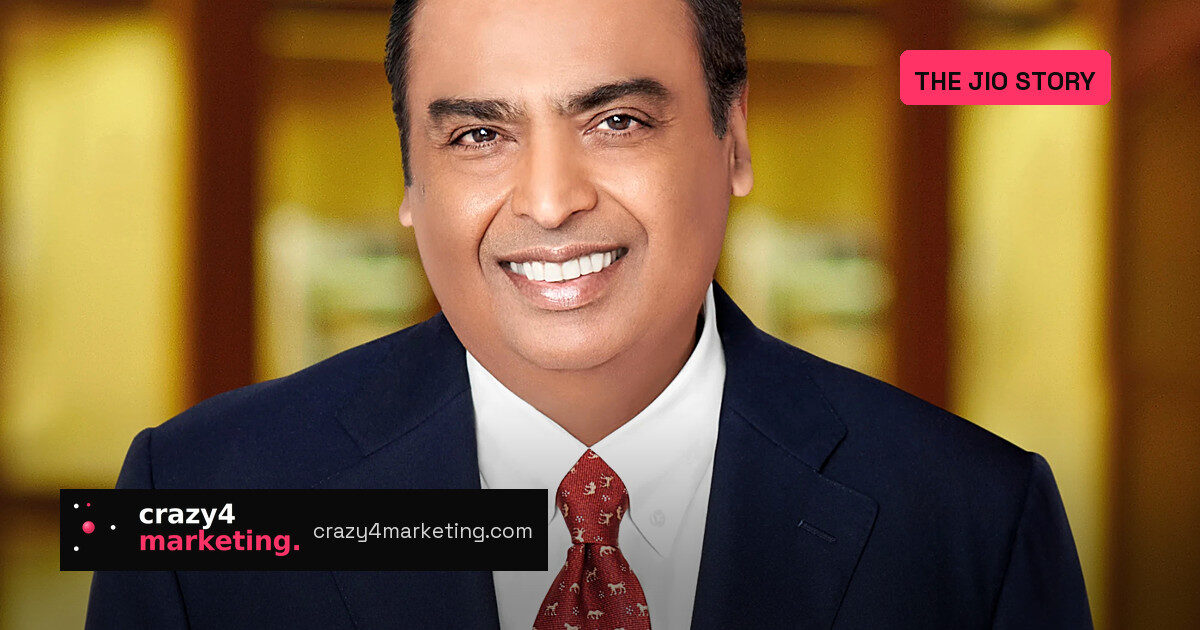
Across India, millions of people hold a version of the same memory. In 2016 Jio launched with the Welcome Offer: unlimited 4G data, voice, video and apps (Reliance Industries). The offer did not simply change a tariff. It made a new behaviour feel normal: seeing someone while talking to them.
Shared memory travels differently
Viral marketing is usually measured in shares, reach and watch time. Nostalgia works on a different track. It spreads as recognition. One person says “my first video call home,” and the person listening does not fact-check the network. They retrieve their own version.
The company reported 100 million subscribers within 170 days of launch (Reliance Industries Integrated Annual Report 2016-17). That speed created a shared experience. People did not just adopt a service; they went through a transition at roughly the same time.
Why collective nostalgia builds campaigns
Features can be compared. Memories cannot. A data plan is a choice. A first call is an identity marker. That is why brands build on shared moments.
- Shared memories compress time: a decade of change becomes one familiar scene.
- Shared memories lower resistance: people argue with claims, not with their own past.
- Shared memories create permission: a brand can talk about infrastructure through human moments.
By March 2026, Jio serves 524 million+ customers (Reliance Jio Infocomm, March 2026; company-reported). The number is large, but it is not what people remember. They remember the first call, the saved data, the screen passed around on a festival night.
The brand should hold the frame
No marketer can force a shared memory. They can recognise one already forming. The job is to name the moment without over-branding it. If the memory is “the first video call home,” the brand should hold the frame, not block the view.
The question India asked moved from “How much does data cost?” to “What can we do with data?” (the series’ framing line). That shift is itself a shared memory. It gives a brand a longer narrative arc: from price to behaviour to identity.
Jio’s ecosystem today spans connectivity, entertainment, commerce, payments, devices, cloud and AI (Reliance Industries 48th AGM, August 2025). Its stated priorities include connecting every Indian, bringing digital services home, digitising businesses, and “AI Everywhere for Everyone” (same). None of those sound intimate on their own. They become intimate when attached to a moment people already own.
The creative brief is already written
Collective nostalgia is a distribution strategy. People share the past because it confirms who they are. For growth teams and D2C founders, the lesson is not to manufacture heritage. It is to look for the moment your product was first used in a meaningful context—then invite people to finish the sentence.
The first video call home is not a company claim. It is a memory people already have. That makes it durable.