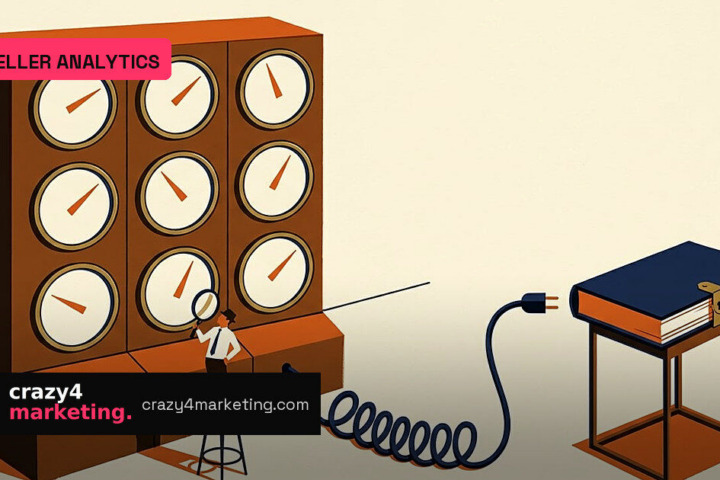
The khata book was never just paper. It was a shopkeeper’s memory: who owed what, which brand moved fast, which regular liked a little extra credit until the first week of the month.
That memory is moving to the cloud. The shift is less about replacing the notebook and more about giving the shop a record that can learn.
The khata becomes a record that remembers
At a typical counter, billing, credit and repeat customers once lived in the owner’s head. When the shop goes digital, every transaction becomes part of a quiet customer history.
- Billing moves from mental math to a clear, shareable bill
- Credit turns from a spoken promise into a dated, searchable trail
- Inventory becomes visible across the day, not just at closing time
- Regulars are recognised through their own purchase patterns
None of this feels dramatic at the counter. That is the point. The shop simply gets better at remembering.
What changes for the customer
The regular buyer no longer has to explain what they bought last month. The shopkeeper can suggest a refill before the customer asks. A bill that once needed to be argued over is already on the screen.
Customers start to feel known, not just billed. The relationship stays personal, but the memory becomes shared between the shop and its technology.
The data shift behind the daily shop
Jio’s ecosystem today spans connectivity, entertainment, commerce, payments, devices, cloud and AI, according to Reliance Industries’ 48th AGM in August 2025. Its stated priorities include digitising businesses and bringing digital services home.
The company passed 100 million subscribers within 170 days of its 2016 Welcome Offer, which bundled unlimited 4G data, voice, video and apps, company-reported in the Reliance Industries Integrated Annual Report 2016-17. Today, Jio serves 524 million+ customers, according to company reporting in March 2026.
For marketers, the more interesting number is the pattern behind those connections. The question India asked moved from “How much does data cost?” to “What can we do with data?” A kirana that uses cloud tools is answering that question every evening.
The new back office is the phone
Small shops are not adopting enterprise software. They are using payments, catalogues, messaging and cloud records that already live on a smartphone. The change is practical: the owner can check the day’s sales from home, reorder an item by looking at past demand, and greet a regular with a recommendation instead of a guess.
Jio’s stated “AI Everywhere for Everyone” priority, announced at the same 2025 AGM, points to what comes next. The shop’s cloud record is not just storage. It becomes an assistant that can flag a slow-moving item or remind the owner to call a customer whose usual order is late.
The red notebook does not disappear. It becomes a richer memory: one the shop can search, share and learn from, without losing the warmth of the counter.