

Meta’s partnership ads passed a $10 billion revenue run-rate in Q1 2026, more than double the year-earlier figure. That number moves creator-led ads from an experimental line item to core paid social infrastructure.
The format is simple: the brand pays for media while the ad runs under a creator or partner profile, usually showing both names and a “Paid partnership” label. The creator’s fee is settled separately. The same logic now exists at TikTok as Spark Ads, at YouTube through partnership ads and on LinkedIn as Thought Leader Ads.
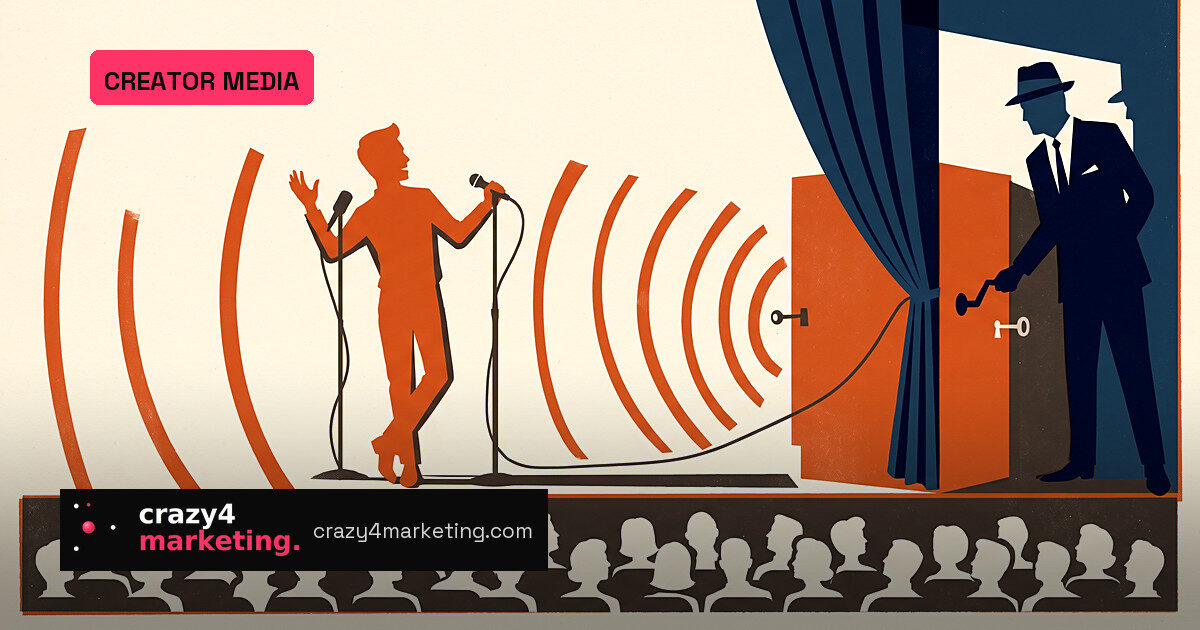
Permission comes before performance
On Meta, a creator must have a professional account and switch on branded content tools. Permission is either account-level, which lets a brand build new ads in the creator’s name, or content-level, which covers a single post, story or reel. Since December 2025, creators can send proactive ad codes even when a brand is not tagged.
Expiry dates matter. A 30-day or 90-day licence in a contract becomes something the platform can enforce.
What the benchmark numbers mean
Meta’s headline comparison is that partnership ads average 19% lower cost per acquisition and 13% higher click-through rate than business-as-usual ads. Those are platform figures with no published methodology, so treat them as directional.
The ANA’s August 2026 research found 67% of surveyed marketers call measurement the hardest step. That is why some teams are shifting budget from creator fees toward boosting organic posts that already performed.
Where the model cracks
Control is the first issue. Account-level permission lets a brand run ads in a creator’s name that followers never saw organically. How much review the creator keeps is a contract question, not a platform setting.
Rights are separate. Platform permission confirms consent, not that music, people on screen or footage were cleared for advertising. In October 2026, a creator sued supplement seller True Nutra over at least 12 Meta ads that allegedly reused her videos without permission; the claims are untested.
Economics are contested. Buyers want to test a creator video for a few hundred dollars while creators quote fees in the thousands. Arthur Leopold, founder of Agentio, put it bluntly: “That model will never work.”
Disclosure is a live risk. FTC guidance says a platform’s built-in tool is “not necessarily” enough, and UK and EU regulators are tightening responsibility. An IAB Ireland survey in September 2026 found only 17% of adults regard sponsored creator content as authentic.
A working checklist
- Choose content-level permission unless new creator-voiced ads are truly needed.
- Promote organic posts that already carry likes and comments; social proof travels with the ad.
- Match contract expiry dates to platform permissions.
- Clear music, people and footage rights separately from the platform handshake.
What happens next
Meta is consolidating the tooling. A Creator Marketing Hub was announced at Cannes Lions in June 2026 and launched globally on September 17. Instagram Live partnership ads arrived on September 29, and YouTube says it will label brand deals creators fail to disclose.
The implication is not to spend more on creators. It is to treat creator identity as a media asset with permissions, rights and measurement tracked like every other campaign input.
Source: PPC Land


