

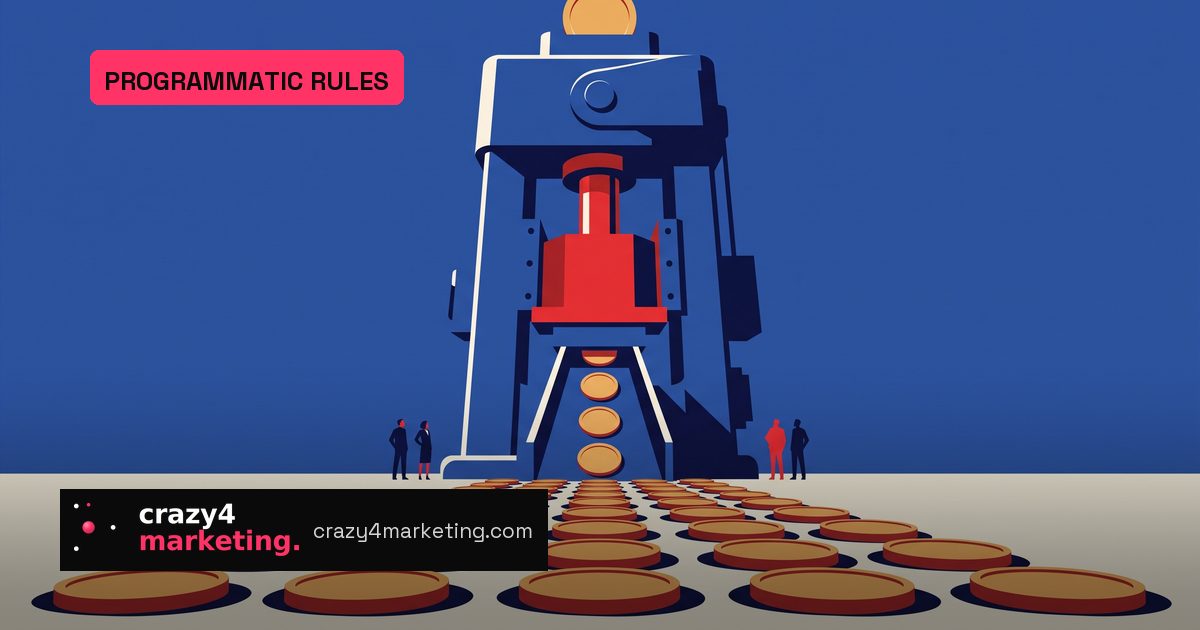
The same ad impression can enter an automated auction more than once, competing against itself for one buyer’s budget. On September 16, 2026, the IAB Tech Lab’s Programmatic Governance Council released the first version of its Programmatic Best Practices, an industry-wide attempt to stop that waste.
The rules are voluntary and open for public comment for 30 days, closing October 16, 2026. That gives programmatic teams a short window to shape the final version before best practices become expected behavior.
What the new rules cover
The document does not add new OpenRTB fields. It sets operational rules for using existing standards across seven sections: support for OpenRTB, ads.txt and sellers.json; supply chain accounting; bid caching and pooling; placement identifiers; ad refresh; request duplication; and request integrity.
“A common understanding that a request should represent a real person or audience, an attested device, and a known and testable supply chain.” — IAB Tech Lab Programmatic Best Practices
Some instructions are direct:
- “Do not engage in replication” — exact clone bid requests are off the table.
- Use one placement or pod identifier per unique placement, not one per format.
- Align ad refresh auctions with the declared refresh interval; a 30-second refresh should not trigger bids every five seconds.
- Declare identifier bridging in the OpenRTB eids object instead of doing it silently.
The council treats variation with more nuance. Duplicate bids that carry material differences required for privacy or transparency will continue, but should be constrained, incremental, and observable to downstream systems.
Why this matters for marketers
Duplicate bid requests do not add reach. They inflate processing costs, muddy attribution and can make a brand compete against itself for the same impression. DataBeat’s June 2026 Sellers Report measured a 46% duplicated-domain rate among Tier 1 supply-side platforms.
Several companies have already moved independently. PubMatic began enforcing an Excess Inventory Fee in April 2026. Amazon Ads donated its Dynamic Traffic Engine to the IAB Tech Lab. Publishers including Chegg and the Daily Mail throttled bid requests from 2025.
The council was formed in April 2026 to govern a programmatic market handling more than $200 billion in US digital advertising. Founding members span agencies, publishers, DSPs and SSPs, including Omnicom, WPP, Disney, Amazon Ads, The Trade Desk, Magnite and PubMatic.
Adoption gaps are real. A HUMAN Security diagnostic found 79% of protected bid requests carried a SupplyChain object, but only 42% passed full validation, and just 50% matched external sellers.json consistency.
What to do before October 16
Use the comment window as an audit trigger. Check that each integration partner receives one request per underlying ad opportunity. Validate schain objects and sellers.json files. Review refresh cadence and placement identifiers. If your stack fans out arrays into individual requests, map where that happens.
This is not just compliance. Cleaner request paths reduce query-per-second costs, improve auction transparency and give optimization algorithms better signals.
Voluntary rules may lack enforcement, but they signal where ad buying is heading. Early adopters can lower wasted requests and build cleaner supply paths before commercial pressure forces the change.
Source: PPC Land


