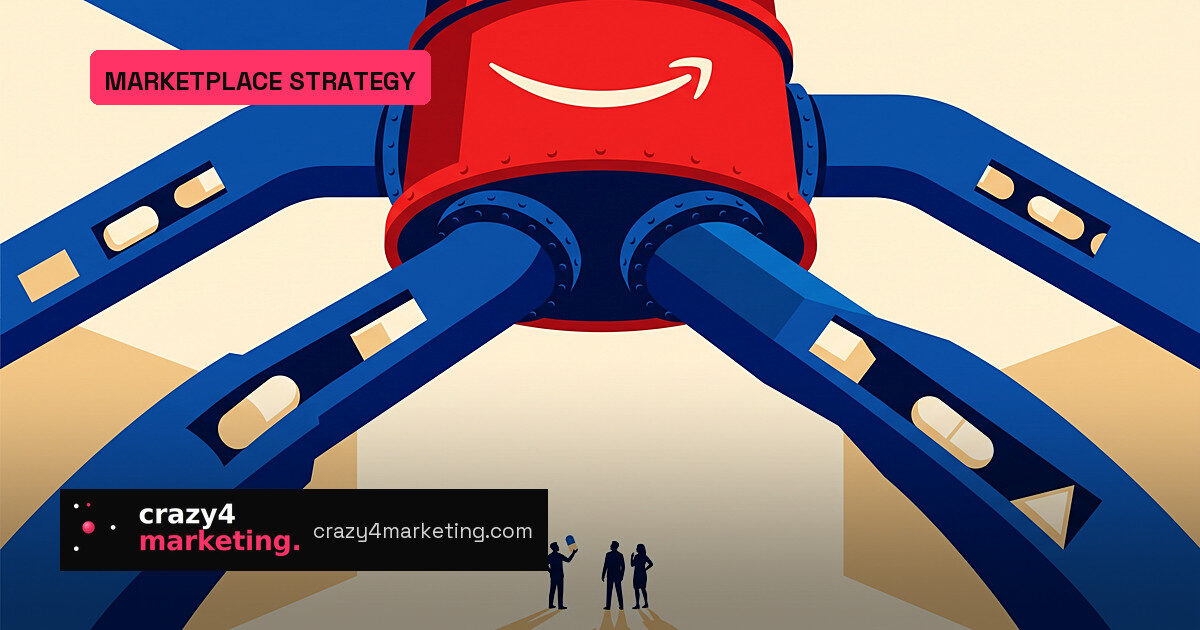
Amazon just made Seller Central a lot less Amazon-only.
On September 24, 2026, the marketplace opened multichannel selling tools that let independent US sellers connect eBay, Shopify, TikTok and Walmart accounts, import listings from those channels, see orders in one queue and fulfil them without leaving Amazon’s console. The rollout is gradual and, Amazon says, free for sellers.
What is actually live
The announcement, under VP of Worldwide Selling Partner Experience Mary Beth Westmoreland, sounds bigger than the current version. Amazon’s own list of live capabilities covers four things:
- Connecting eBay, Shopify, TikTok and Walmart accounts
- Importing and linking off-Amazon listings
- Viewing sales and orders across those channels
- Fulfilling orders from the same queue
Everything else—one-edit listing updates, automatic reformatting for each platform, and a cross-channel profit and ad spend view—is described in the future tense. That distinction matters when you are planning your stack.
Why the dashboard wars matter
Amazon says more than 95% of independent sellers already sell across multiple channels, though it gives no source for that figure. The company calls Seller Central “a single home base for managing listings, orders, and profitability across all their other channels.” If that ambition lands, the seller’s view of the whole business gets compiled inside Amazon’s console, with Amazon logistics one click away.
That convenience raises measurement questions. The promised profitability tool would pull ad spend, traffic and sales data from connected channels. Amazon has not said which ad metrics will be imported, at what granularity, or under which attribution rules. Platforms credit sales differently, so a blended ROAS view could look clean and still mislead.
The logistics backstory
Amazon has been moving toward this for years. Multi-Channel Fulfillment already ships orders that originate on other sites, and Amazon said in September 2024 that MCF served more than 200,000 US merchants. Walmart allows Amazon MCF for its marketplace orders under conditions such as neutral packaging, unbranded delivery vehicles, a 95% on-time delivery rate and a 99% valid tracking rate. TikTok Shop has its own approved fulfilment paths. Amazon’s post does not say whether the new Seller Central connection counts among those approved routes.
There is also a trust question. Around the turn of the year, sellers reported Amazon’s Project Starfish scraping their websites for AI listings they had not opted into. This tool is different: Amazon says the seller decides what to connect and can disconnect at any time. Still, read the data access clauses closely before plugging in a rival marketplace.
Watch the gap between orders and profit
The order management piece is real now. Sellers can see unshipped orders from every connected channel, whether or not Amazon ships them. For a team logging into four dashboards at month-end, that alone removes friction.
The profit layer is the part to stress-test. Amazon’s existing Profit Analytics dashboard already has data lags and relies on seller-provided cost data. Extending that to rival marketplaces adds complexity—and a new dataset inside Amazon. The privacy footnote promises that seller data will not be shared with other sellers or used for retail decisions, but it does not mention Amazon’s advertising systems. The FTC and 22 states sued Amazon on August 31, 2026 over alleged hidden sponsored ads surcharges; Amazon rejected those allegations.
What to do with this
Treat the new tools as an operations upgrade first and a measurement platform later. Connect channels that genuinely reduce fulfilment or reporting friction, but do not rebuild your attribution around the profit view until Amazon publishes the details. If you run marketplace ads, keep a separate source of truth for TikTok Shop and Walmart performance until the dashboard is demonstrably consistent.
The timing is also awkward: a gradual US rollout starting on the edge of Q4 means many sellers may not get the full version until after Prime Big Deal Days and Black Friday. European sellers have no timetable at all.
The strategic takeaway: Amazon is no longer just competing for your Amazon sales—it wants to host your entire multichannel view. That is a powerful offer, but the most valuable layer is the one still promised, not shipped.
Source: PPC Land