

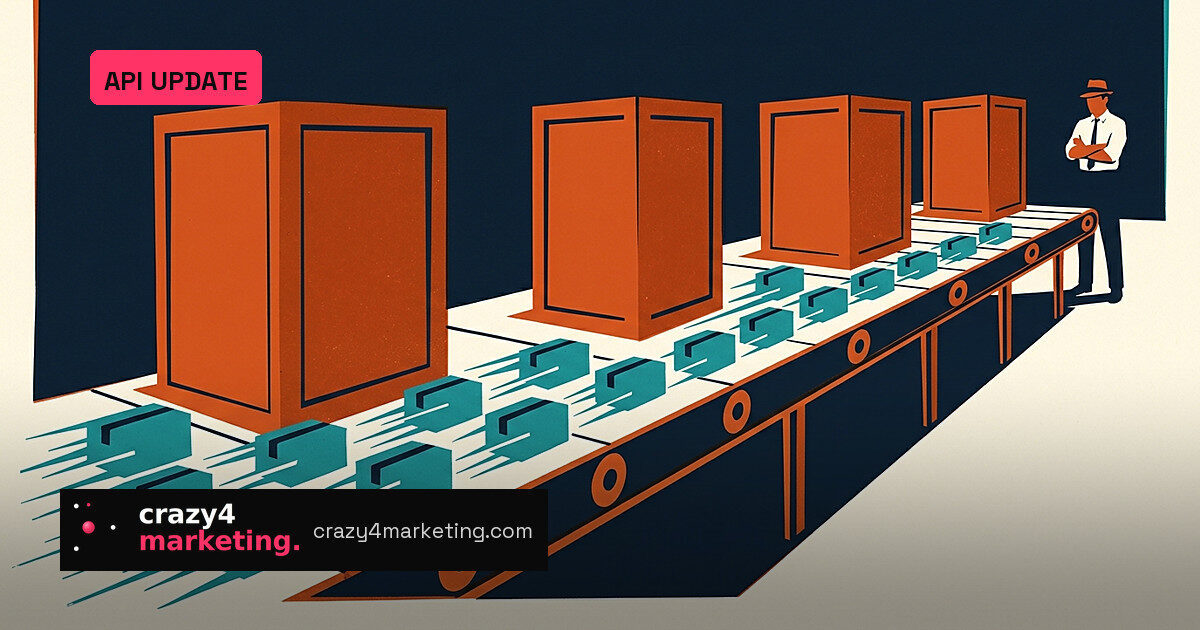
Google is doubling the pace of its Google Ads API releases. Starting with version 26, the platform will ship two API versions a month instead of one. The change was announced October 12, 2026 on the Google Ads Developer Blog by Anash P. Oommen of the Google Ads API team.
Why the cadence is changing
Google frames the move around agentic AI. The post says a faster cadence gives “automated agents and workflows near-instant access to cutting-edge features.” For teams building bid management tools, dashboards or AI assistants on top of Google Ads, that means new platform features can surface in integrations sooner.
The tentative schedule is dense: 25 versions are listed between October 2026 and December 2027. For calendar 2027 alone, Google plans 21 releases, four major versions and 17 minor ones. February through October 2027 each carry two releases; January, November and December carry one.
What doesn’t change
Here is the part that matters for anyone maintaining production code:
- Google still ships four major releases per year.
- Only major releases include breaking changes; minor versions add non-breaking features.
- Major releases remain available for about a year, and sunset schedules stay unchanged.
- Each minor version retires with its parent major release.
So migration workload should not increase, even though release volume doubles. More versions does not mean more forced code rewrites.
Where teams should focus
Google is also changing communication. Release blog posts and YouTube live streams move to twice a quarter, covering several releases at once. Individual changes will live on the Google Ads API release notes page, which is where developers should point their alerts or weekly reviews.
One practical watch item: Google says it may switch a release between major and minor. If that happens, a planned minor update could become a breaking change. The post does not spell out a notice period for that switch.
For agencies and D2C growth teams, none of this requires daily action unless you run in-house scripts or a product on the API. But it does change the vendor conversation: ask your ad tech partners how quickly they adopt new Google Ads features and how they monitor the release notes. Their answer tells you whether the new cadence will actually reach your campaigns.
The bigger picture
This is part of a pattern. Over the past year, Google released an open-source MCP server for the Ads API, banned programmatic proxies, and moved API access management into Google Cloud Console. The message is consistent: quicker feature access for direct, verified integrations and tighter control over intermediaries.
Against Meta, the contrast is sharp. Meta’s Marketing API does not run on a fixed monthly rhythm, and its older versions can stick around for two years or more. Google’s Ads API now pairs more frequent releases with a shorter major-version lifespan.
Source: PPC Land


