The first video call home is not a product feature. It is a memory. And because so many people hold a version of it, it works like a shared album: no briefing required, no explanation needed.
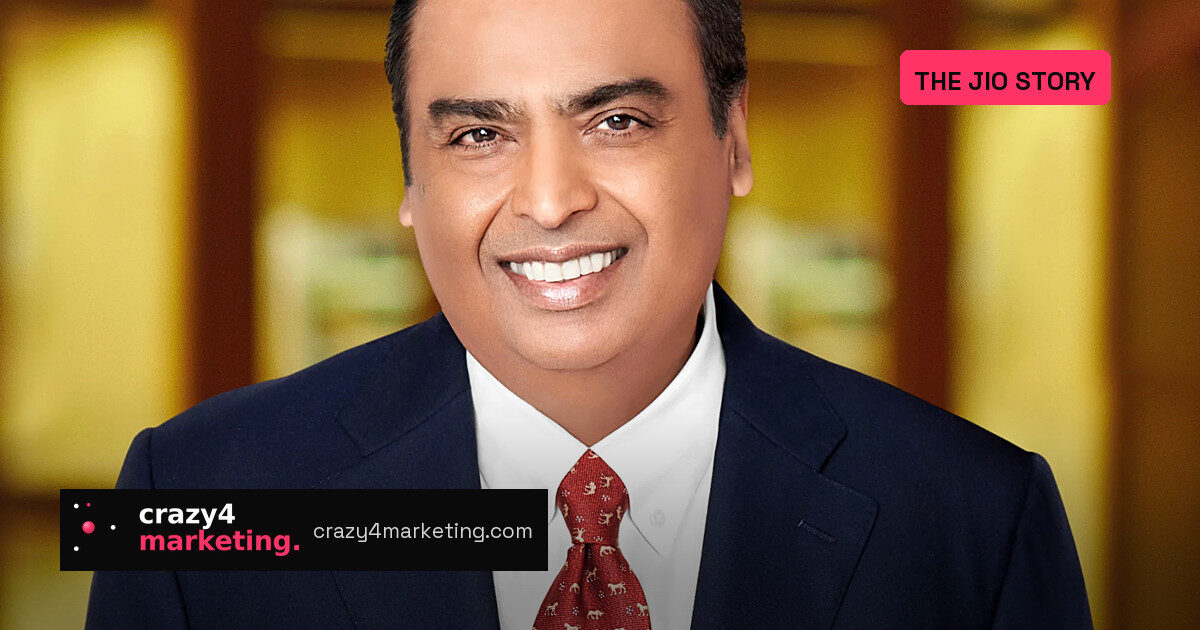
That is the part of the 2016 data moment worth studying. In 2016 Jio launched with the Welcome Offer: unlimited 4G data, voice, video and apps (Reliance Industries). The change was material. But the story people kept was emotional.
A milestone became a shared first
When a service grows fast, the speed gets quoted. Jio reached 100 million subscribers within 170 days of launch (company-reported; Reliance Industries Integrated Annual Report 2016-17). But for marketers, the more interesting number is one: the first call.
Firsts are easy to remember because they have emotion, novelty and a person attached. A video call put a face to a voice that had only been heard. It put a grandmother, a parent, a sibling on the screen. People did not say “my data plan changed.” They said “I saw my mother.” That is how a network event becomes a personal memory.
Collective nostalgia is a shortcut
Collective nostalgia happens when individual memories feel shared. It is not the same as a campaign that tries to make you feel nostalgic. It is a memory people already carry, then retell.
- Shared memories lower attention cost: the audience already has the feeling; the brand only has to enter it.
- They create user-generated proof: the stories appear without a logo or a creator brief.
- They age into context: the original change feels inevitable because it is remembered as a beginning.
What brands actually borrow
Brands build on shared memories because they are a rare form of earned relevance. The audience supplies the emotional setting. The brand supplies a reminder of it. For a marketer, that is a better place to start than an explainer.
It also reframes the question. The question India asked moved from “How much does data cost?” to “What can we do with data?” (the series’ framing line). The shift is not a pricing lesson. It is a positioning lesson: you stop selling a utility and start recalling a first.
The memory becomes the moat
By March 2026, Jio serves 524 million+ customers (Reliance Jio Infocomm, March 2026; company-reported). Its ecosystem today spans connectivity, entertainment, commerce, payments, devices, cloud and AI (Reliance Industries 48th AGM, August 2025). The stated priorities are to connect every Indian, bring digital services home, digitise businesses, and “AI Everywhere for Everyone” (Reliance Industries 48th AGM, August 2025).
None of that would feel as close if the entry point were not a memory people already trust. The first call home is not nostalgia for nostalgia’s sake. It is an anchor that makes later services feel like a continuation of something familiar.