

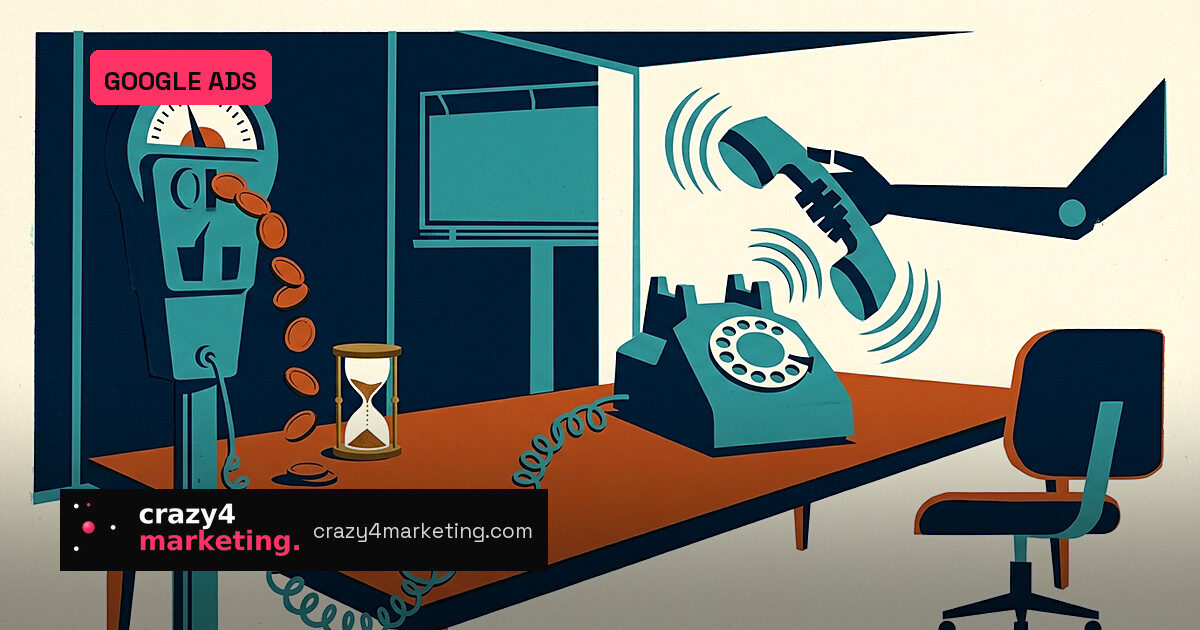
Google’s Local Services Ads overhaul is changing what a missed call costs. The milestone from LSArespond is a useful way to read that shift.
On October 11, 2026, the New York-based automation vendor said it had passed 2,000 active users across the US, UK and Canada, and processed more than 115,000 Local Services Ads leads in August. The platform auto-rates leads, sends instant follow-ups to message leads and missed callers, produces AI call summaries, and syncs into Jobber, Workiz and ServiceFusion. More than 75 agencies white-label the tool, and plans start at $12 per user per month for agencies and $19 for individual businesses.
One caveat: those figures come from the company itself. The announcement does not include independent verification, market share data or named case studies. The milestone is a signal, not a ranking.
Why this matters right now
In an ordinary year this would be a small vendor update. This is not that year.
Google is moving Local Services Ads into Google Ads as a pay-per-lead Performance Max campaign type. Historical reports do not carry over, manual maximum cost-per-lead bidding is being removed, and advertisers lose dashboard access 14 days after the migration notice.
At the same time, since October 1, Google has billed advertisers for missed calls over 20 seconds during business hours when the caller stays on the line. That makes the speed of your first response a direct P&L issue.
Missed calls are now margin math
Invoca’s benchmark data, cited in earlier PPC Land coverage, put the share of home services calls answered by a person at 52%. That leaves a significant share of calls at risk of becoming billable missed calls under the new policy.
A tool that texts a missed caller in seconds is no longer a growth hack. It is a cost-control mechanism. LSArespond’s automatic lead rating, which aims to recover spend for invalid leads, plays the same role. But recovery depends on Google’s rules, which have changed before and can change again.
What to do before migration hits
- Export Local Services Ads reports now, before the 14-day dashboard window closes.
- Model your missed-call exposure: call volume × missed-call rate × cost per lead.
- Automate the first text or AI voice response, then log the outcome in your CRM.
The agency angle shows where this market is heading. More than 75 agencies white-label LSArespond rather than building their own automation. The Performance Max migration removes manual bidding, so response speed and lead-dispute automation become the measurable work agencies can still sell.
Uri Turk, founder of LSArespond, said: “Crossing 2,000 active users solidifies LSArespond as the category leader in LSA automation.”
The category is getting crowded. Invoca released AI voice and messaging agents for home services on October 6, and Yelp acquired Hatch for roughly $270 million in January to automate service leads. LSArespond’s release says it confirms “full compatibility” with the Performance Max transition but does not explain how lead rating maps to Google’s new lead feedback form.
For performance marketers, the takeaway is simpler than the tech. When slow response carries a fee, speed is not a best practice. It is budget protection.
Source: PPC Land


